
Optimizing Metal Melting Process for Consistency
Optimizing the Metal Melting Process: Addressing Inconsistent Outcomes
The melting process is a foundational step in countless industrial operations, from metal casting and fabrication to the production of essential welding consumables. For foundry supervisors and maintenance teams, ensuring a consistent, uniform melt is paramount to product quality, operational efficiency, and cost control. However, the reality often involves grappling with inconsistent melt times and temperature variations, leading to defects, rework, and increased production costs. This article delves into the intricate factors that contribute to uneven metal melting and outlines strategies for achieving optimal consistency in your operations.
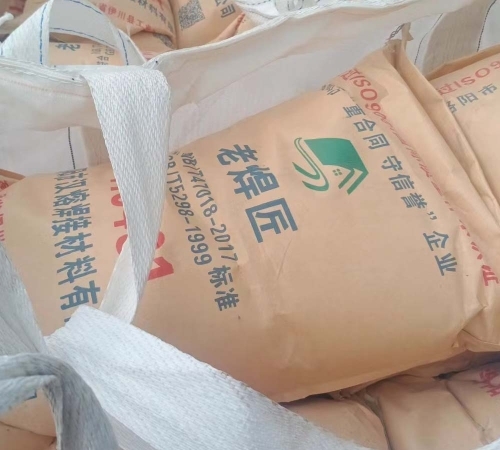
At Oldwelders, we understand the critical nature of these processes. As an ISO 9001 certified manufacturer, our commitment to quality extends from the raw materials we select for our welding fluxes, such as excellent dolomite, bauxite, cryolite, silica, and fluorine ore – which are melted at 2000 °C – to the precision engineering of our welding machines. Our aim is to provide insights that help your team mitigate common challenges in the industrial melting process.
Understanding the Fundamentals of the Industrial Melting Process
At its core, the melting process involves transforming a solid material into a liquid state through the application of heat. This seemingly simple transformation is governed by complex thermodynamic principles and material properties. The goal in an industrial setting is not merely to melt the material, but to do so efficiently, uniformly, and without introducing contaminants or undesirable metallurgical changes.
Key Stages in Metal Melting
- Preheating: Removing moisture and preheating the charge material reduces energy consumption and minimizes thermal shock to the furnace.
- Charging: The method and sequence of loading materials into the furnace significantly impact heat transfer and melt uniformity.
- Heating and Melting: This is the phase where the material absorbs latent heat of fusion and changes state. The rate and uniformity of heat application are crucial.
- Superheating: Once fully melted, the metal is often heated beyond its melting point to improve fluidity for pouring or subsequent processing.
- Refining and Alloying: Additions of alloying elements and removal of impurities occur during this stage to achieve desired material specifications.
Each of these stages presents opportunities for variability if not meticulously controlled. An inconsistent submerged arc welding flux hj431, for instance, can introduce impurities that affect the melt quality, even before the welding process begins.
Key Factors Contributing to Uneven Metal Melting
Uneven metal melting is a common headache for foundry and maintenance teams, leading to inconsistent product quality, increased scrap rates, and inefficient energy use. Several critical factors can contribute to this problem, each requiring careful consideration and management.
1. Charge Material Variability
- Physical Form and Size: Irregularly shaped or sized scrap, ingots, or raw materials will melt at different rates. Smaller pieces or those with a higher surface area-to-volume ratio will heat up and melt faster than larger, denser chunks. This creates "cold spots" in the furnace, where melting lags behind.
- Chemical Composition: Different alloys and metals have varying melting points and thermal conductivities. If a charge contains a mix of materials with significantly different properties (e.g., pure iron vs. stainless steel), achieving a uniform melt temperature across the entire bath becomes challenging. Impurities or oxidation on the surface of the charge can also affect heat absorption.
- Moisture and Contaminants: Even small amounts of moisture, oil, or other contaminants on the charge can consume energy, create localized cooling, and contribute to uneven heating.
2. Furnace Design and Condition
- Heating Element Placement and Power Distribution: The location, type, and operational efficiency of heating elements (e.g., induction coils, electrodes, burners) directly influence heat distribution. Uneven wear, damage, or improper calibration can lead to hot and cold zones within the furnace.
- Refractory Lining Integrity: The refractory lining insulates the furnace and contains the molten metal. Cracks, erosion, or thinning of the refractory can lead to localized heat loss, affecting the uniformity of the melt. A compromised lining also poses safety risks.
- Stirring and Agitation: In some furnaces, mechanical or electromagnetic stirring is used to homogenize the melt. Insufficient or ineffective stirring can result in temperature stratification, where hotter metal remains at the top or bottom of the bath.
3. Operational Parameters
- Power Input and Control: Fluctuations in power supply or inadequate control over the power input can lead to inconsistent heating rates. Modern automatic welding machine systems often incorporate advanced controls for precision, and similar principles apply to furnace operations.
- Charging Sequence and Rate: Rapid or haphazard charging can overwhelm the furnace's heating capacity in certain areas, causing temperature drops and extended melting times. A controlled and strategic charging sequence is vital.
- Atmosphere Control: In certain melting processes, the furnace atmosphere (e.g., inert gas, vacuum) plays a role in heat transfer and preventing oxidation. Inconsistent atmosphere control can impact thermal efficiency and material quality.
4. Measurement and Monitoring Inaccuracies
- Sensor Placement: Thermocouples or other temperature sensors placed in non-representative locations within the furnace can provide misleading readings, causing operators to react incorrectly to actual melt conditions.
- Sensor Calibration: Uncalibrated or faulty sensors can report inaccurate temperatures, leading to suboptimal heating cycles and uneven melting. Regular calibration is essential for reliable data.
Advanced Techniques for Consistent Temperature Control
Achieving consistent temperature control throughout the melting process is critical for producing high-quality metal products. Modern industrial practices leverage a combination of technology and best practices to minimize temperature variations and ensure a homogeneous melt.
1. Optimized Charge Management
- Pre-sorting and Sizing: Implementing strict protocols for pre-sorting incoming raw materials by type and size can significantly reduce variability. Shredding scrap into uniform pieces or using ingots of consistent dimensions promotes more even heating.
- Preheating and Drying: Thoroughly preheating and drying charge materials before loading them into the furnace eliminates moisture and reduces the energy required to bring them to melting temperature, ensuring more predictable melting times.
- Strategic Charging: Developing a strategic charging sequence that considers material properties and furnace hot zones can optimize heat distribution. For instance, placing lower melting point materials or smaller pieces strategically can help establish a uniform melt pool more quickly.
2. Advanced Furnace Technologies and Maintenance
- Induction Furnaces with Stirring Capabilities: Modern induction furnaces offer precise temperature control and inherent electromagnetic stirring, which promotes excellent melt homogeneity. For applications requiring specific consistency, investing in a high-grade energy welding machine or an advanced induction furnace can yield significant benefits.
- Multi-Zone Heating Systems: Furnaces equipped with multiple heating zones allow for independent temperature control across different sections, enabling operators to compensate for heat losses or uneven melting patterns.
- Regular Refractory Maintenance: A robust maintenance schedule for refractory linings, including regular inspections and timely repairs, prevents localized heat loss and maintains thermal efficiency.
3. Real-time Monitoring and Control Systems
- Distributed Temperature Sensing: Employing multiple temperature sensors strategically placed throughout the melt bath provides a more comprehensive picture of the temperature profile. Advanced systems can even use thermal imaging for surface temperature mapping.
- Automated Process Control: Integrating these sensors with automated process control systems allows for real-time adjustments to power input or heating rates, ensuring the melt stays within specified temperature ranges. These systems can learn and adapt, further optimizing the melting process over time.
- Spectrographic Analysis: For critical applications, periodic or continuous spectrographic analysis of the molten metal can verify chemical composition, ensuring that alloying elements are uniformly distributed.
4. Energy Efficiency and Sustainability
Beyond quality, consistent melting contributes to energy efficiency. By reducing melt times and minimizing heat loss, companies can lower energy consumption. Oldwelders' commitment to high-performance products extends to supporting processes that are both efficient and sustainable. Our production facility, covering an area of 1000 square meters and housing six production lines, has a daily capacity of 100 tons, demonstrating our capability to meet industrial demands while maintaining high standards.
Oldwelders' Role in Enhancing Your Melting Operations
While Oldwelders specializes in welding machines, welding electrodes, and welding wires, our deep understanding of metallurgy and material science is directly applicable to the challenges faced in upstream melting operations. The quality of the materials we use for our products, particularly our welding fluxes, underscores our expertise in controlled high-temperature processes.
Our company's stringent quality control, backed by ISO 9001 certification, ensures that the raw materials for our flux products—excellent dolomite, bauxite, cryolite, silica, and fluorine ore—are melted at 2000 °C under precise conditions. This level of control in our own production translates into reliable products for your operations, whether you are in Brazil, Thailand, Australia, or Malaysia – our primary target markets.
For operations experiencing issues with inconsistent melt quality, considering the foundational elements can be transformative. Our products, such as our range of MIG-MAG-TIG welding machines, are designed for precision and reliability, mirroring the consistency required in the melting process itself. We provide high-quality welding consumables that depend on well-controlled foundational metallurgy, ensuring that your downstream processes are not compromised by upstream inconsistencies.
Supporting Your Production Needs
With a plant covering an area of 1000 square meters and six production lines, Oldwelders boasts a robust capability to supply up to 100 tons a day. This extensive capacity means we can reliably meet large industrial demands. Furthermore, our minimum order quantity of 1 ton and a lead time of 30 days for many products highlight our commitment to both flexibility and efficiency, crucial factors for businesses looking to optimize their supply chain and maintain consistent production schedules.
Best Practices for Troubleshooting and Process Optimization
Systematic troubleshooting and continuous process optimization are essential for maintaining a consistent and efficient melting process. By adopting a structured approach, teams can identify root causes of uneven melting and implement effective solutions.
1. Data Collection and Analysis
- Log Production Parameters: Regularly record all relevant operational data, including charge composition, weight, power consumption, melt times, and temperature readings from various points in the furnace.
- Monitor Material Properties: Conduct periodic analyses of raw material incoming quality and finished melt properties (e.g., chemical composition, microstructure) to identify correlations with process variations.
- Utilize Statistical Process Control (SPC): Implement SPC charts to track key parameters over time. Deviations from control limits can signal emerging issues before they lead to significant problems.
2. Regular Maintenance and Calibration
- Preventive Maintenance Schedule: Adhere to a strict preventive maintenance schedule for all furnace components, including heating elements, refractory linings, and stirring mechanisms.
- Sensor Calibration: Calibrate all temperature sensors, pressure gauges, and flow meters regularly to ensure accuracy. Inaccurate readings can lead to incorrect operational adjustments.
- Inspection Protocols: Establish detailed inspection protocols for furnace integrity, checking for wear, cracks, or damage that could affect heat distribution.
3. Process Refinement
- Optimize Charging Procedures: Experiment with different charging sequences and rates to find the most efficient and uniform melting pattern for your specific materials and furnace type.
- Adjust Power Profiles: Fine-tune power input profiles throughout the melting cycle. This might involve different power levels during initial heating, melting, and superheating phases to maintain consistency.
- Implement Melt Homogenization Techniques: If not already in place, introduce or enhance stirring mechanisms (mechanical, electromagnetic, or gas bubbling) to ensure uniform temperature and chemical distribution throughout the melt.
4. Training and Skill Development
- Operator Training: Ensure that all operators are thoroughly trained in best practices for furnace operation, charging, temperature monitoring, and troubleshooting. A well-trained workforce is the first line of defense against process inconsistencies.
- Metallurgical Understanding: Educate staff on the metallurgical principles behind the melting process, helping them understand why certain parameters are critical and how they impact the final product.
By systematically addressing these areas, companies can transform an inconsistent melting process into a reliable and efficient operation. Oldwelders is committed to supporting industries globally with high-quality welding solutions, understanding that the strength of the final weld begins with the quality of the materials and the precision of their production processes.