Optimize Your Welding Rod Costs & Deposition
Optimizing Welding Rod Costs: Beyond the Initial Pack Price
For procurement managers and project estimators in the B2B sector, the true cost of welding electrodes extends far beyond the listed pack price. A comprehensive cost evaluation requires a deeper dive into factors such as deposition efficiency, material quality, logistical considerations, and long-term performance. Understanding these elements is critical for making informed purchasing decisions that significantly impact project profitability and operational efficiency. This guide from Oldwelders explores how to analyze the total economic impact of your welding consumables, ensuring you select products that deliver maximum value.
At Oldwelders, we understand the complexities of B2B procurement. As an ISO 9001 certified manufacturer, our commitment to quality and process excellence ensures that every product, from welding machine to the smallest consumable, meets rigorous standards. This certification provides our clients, including those in target markets like Brazil, Thailand, Australia, and Malaysia, with confidence in our production capabilities and product consistency.
Understanding Deposition Efficiency in Welding Rod Applications
Deposition efficiency is a critical metric that profoundly influences the actual cost of a welding electrode. It refers to the percentage of the filler material that actually becomes part of the weld joint, as opposed to being lost as spatter, slag, or stub ends. A higher deposition efficiency means less waste and more effective use of each electrode, directly translating to lower material consumption and reduced labor time per unit of weld.
Factors influencing deposition efficiency include the type of electrode (e.g., rutile, basic, cellulosic), the welding process, the skill of the welder, and the welding parameters (current, voltage, travel speed). Electrodes designed for high deposition rates, often characterized by specific flux compositions, can significantly accelerate welding operations, particularly in large-scale fabrication or construction projects. While these electrodes might have a slightly higher initial pack price, their superior efficiency often results in a lower overall cost per meter of weld.
Calculating True Cost Per Unit of Deposited Metal
To accurately assess the cost-effectiveness of different electrodes, procurement professionals should move beyond simply comparing "cost per pound" or "cost per pack." Instead, focus on the "cost per pound of deposited metal." This calculation takes into account the deposition efficiency:
- Calculate total material purchased: (Weight of electrodes purchased)
- Determine total deposited metal: (Total material purchased) x (Deposition efficiency percentage)
- Calculate cost per deposited pound: (Total cost of electrodes) / (Total deposited metal)
This approach reveals that an electrode with a lower pack price but significantly lower deposition efficiency can end up being more expensive in the long run due to increased material consumption, more frequent electrode changes, and higher waste disposal costs. Investing in quality consumables with proven high deposition efficiency is a strategic move that enhances productivity and reduces operational expenditures.
Factors Influencing Total Welding Rod Cost
Beyond deposition efficiency, several other factors contribute to the total cost equation for these essential consumables. A holistic view ensures that procurement decisions are based on comprehensive data, not just surface-level pricing.
Material Composition and Quality
The raw materials used in the manufacturing of welding materials directly impact their performance, arc stability, mechanical properties of the weld, and consistency. High-quality electrodes minimize defects, reduce rework, and ensure repeatable results, which are crucial for maintaining project timelines and quality standards. For instance, in our welding fluxes, we utilize excellent dolomite, bauxite, cryolite, silica, and fluorine ore, melted at 2000 °C, ensuring superior performance. This same dedication to sourcing and processing high-grade raw materials permeates our entire product range, including our welding consumables. This rigorous material selection and manufacturing process ensures that our products deliver consistent quality and predictable performance, reducing the risk of costly failures and delays.
Packaging and Storage Considerations
Proper packaging is vital for maintaining electrode quality, especially for low-hydrogen types susceptible to moisture absorption. Electrodes stored improperly can absorb moisture, leading to hydrogen cracking in welds. The cost of inadequate packaging manifests in rejected welds, re-work, and wasted materials. Evaluate suppliers based on their packaging methods and recommendations for optimal storage conditions, which can prevent such costly issues. Oldwelders ensures robust packaging designed to protect product integrity during transit and storage.
Shipping and Logistics
The cost of transportation, customs duties, and lead times significantly impacts the total landed cost of consumables, particularly for international procurement. Efficient logistics and a reliable supply chain are paramount. Oldwelders boasts a robust supply chain capable of serving diverse global markets, including our established presence in countries like Brazil, Thailand, Australia, and Malaysia. Our operational footprint, which includes a plant covering 1000 square meters with six production lines, allows us to maintain a daily production capacity of 100 tons for fluxes, demonstrating our ability to meet substantial demands efficiently and reliably.
Labor Costs and Rework
Labor is often the most significant component of welding costs. High-quality electrodes that offer stable arc characteristics, minimal spatter, and easy slag removal contribute to faster welding speeds and reduced clean-up time. Conversely, poor-quality electrodes can lead to increased spatter, difficult slag removal, and higher rates of weld defects, necessitating costly rework. Each instance of rework extends project timelines, consumes additional materials, and incurs further labor expenses, highlighting the hidden costs associated with seemingly cheaper consumables.
Strategic Procurement of Welding Rods
Effective procurement strategies go beyond simple price comparisons. They involve a deep understanding of supplier capabilities, inventory management, and long-term partnership potential. By integrating these elements, businesses can secure the best value for their investment in welding consumables.
Minimum Order Quantities and Lead Times
Understanding a supplier's minimum order quantity (MOQ) and typical lead times is crucial for inventory planning and avoiding stockouts. While smaller MOQs might seem flexible, larger orders can often unlock better unit pricing and reduce shipping frequency. Oldwelders typically requires a minimum order of 1 ton, which allows us to optimize production and delivery for our B2B clients. Our substantial production capacity, with six production lines capable of supplying 100 tons a day, ensures that we can fulfill significant orders within reasonable lead times, supporting your project schedules without compromise.
Supplier Reliability and Support
A reliable supplier provides not only quality products but also consistent supply, technical support, and responsive customer service. This includes assistance with product selection, troubleshooting, and post-purchase support. Oldwelders stands by the quality of its products, offering a 30-day quality assurance period. This commitment provides our clients with peace of mind, knowing that they are partnering with a manufacturer dedicated to their satisfaction and long-term success. A strong supplier relationship minimizes risks, streamlines operations, and provides a valuable resource for technical expertise.
Oldwelders: Your Partner for Quality Welding Rods
At Oldwelders, we are dedicated to providing our B2B clients with welding consumables that offer exceptional value, performance, and reliability. We understand that procurement decisions are complex, and our goal is to simplify this process by offering transparent pricing, superior product quality, and unwavering support.
Our extensive range of welding products, including various solid wire and flux-cored wire, is manufactured under strict quality controls, ensuring consistency and high performance. We believe that true cost savings come from investing in quality materials that reduce waste, minimize rework, and enhance overall productivity. By choosing Oldwelders, you gain a partner committed to your operational success, delivering not just products but comprehensive solutions tailored to your specific needs.
We invite procurement managers and project estimators to connect with Oldwelders to discuss how our high-quality welding consumables can contribute to the efficiency and profitability of your next project. Let us demonstrate how our commitment to excellence, backed by robust manufacturing capabilities and a global distribution network, can optimize your total welding costs.
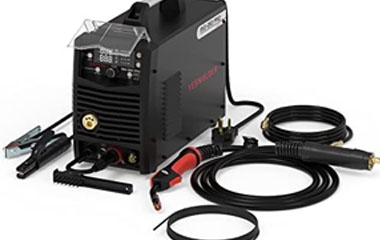
For more information on our specific product offerings or to request a detailed quote, please contact our sales team. We are ready to assist you in making the most cost-effective and performance-driven choices for your welding operations.