
Optimize Costs with Heavy Machinery SAW
Lowering Operating Expenses with the Right Heavy Machinery SAW
In the demanding world of heavy machinery manufacturing and fabrication, optimizing every stage of production is crucial for maintaining competitiveness and profitability. Cutting operations, often a foundational step, present significant opportunities for cost reduction and efficiency gains. The strategic selection and implementation of a suitable Heavy Machinery SAW system can dramatically impact a company's bottom line, extending far beyond the initial purchase price. This article delves into how businesses can leverage advanced sawing technology to lower total cutting costs, improve material utilization, and streamline their production processes.
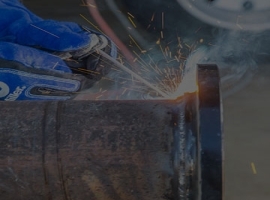
Understanding the True Cost of Cutting Operations
Evaluating the cost-effectiveness of cutting operations requires a comprehensive view that extends beyond simple consumables. It encompasses a range of factors, from initial equipment investment to ongoing operational expenditures, maintenance, and the often-overlooked costs associated with material waste and production bottlenecks. Businesses aiming to lower their total cost of ownership must consider all these variables.
Initial Investment vs. Long-Term Savings
While the upfront cost of a high-capacity, precision-engineered Heavy Machinery SAW might seem substantial, it is imperative to assess this against the potential for long-term savings. Advanced saws offer superior cutting speeds, tighter tolerances, and reduced material loss, which collectively contribute to a rapid return on investment. For instance, a system that minimizes scrap material by even a small percentage can translate into significant savings over time, especially when dealing with expensive alloys or large production volumes. Furthermore, modern saws often feature energy-efficient designs, leading to lower utility bills.
Considering the robust demands of industrial environments, investing in machinery built for durability and consistent performance is paramount. Equipment failure or inconsistent output can lead to costly downtime and rework. At Oldwelders, we understand the need for reliable industrial solutions, offering not just welding machine options but also insights into the broader manufacturing ecosystem that supports efficient production. Our commitment to quality is reflected in our ISO 9001 certification, ensuring that the products and services we provide meet stringent international standards.
Impact of Blade Choice and Material Compatibility
The performance of any Heavy Machinery SAW is inextricably linked to the quality and type of its blades. Selecting the correct blade for specific materials—whether it's structural steel, aluminum, or specialized alloys—is critical for achieving optimal cut quality, maximizing blade life, and reducing cutting times. Incompatible blades can lead to premature wear, increased power consumption, and poor cut finishes, all of which elevate operational costs. Suppliers that offer a wide range of high-quality blades and expert guidance can help businesses make informed decisions that enhance efficiency and reduce expenditure on consumables.
Beyond the blade itself, the overall design of the saw and its material handling capabilities play a vital role. Features such as automatic feed systems, precise clamping mechanisms, and advanced cooling systems contribute to extending blade life and maintaining consistent cut quality across high-volume production runs. These elements collectively minimize waste and optimize throughput, directly impacting cost efficiency.
Key Features of High-Performance Heavy Machinery SAW Systems
Modern Heavy Machinery SAW systems are designed with a host of features aimed at maximizing efficiency, precision, and operator safety. Understanding these capabilities is essential for any business looking to upgrade its cutting operations and achieve significant cost reductions.
Precision and Automation for Enhanced Efficiency
Automation is a cornerstone of modern industrial manufacturing, and band saws are no exception. Automated Heavy Machinery SAW systems minimize manual intervention, reducing labor costs and the potential for human error. Features such as programmable cutting sequences, automatic material feeding, and digital controls ensure consistent, repeatable cuts with high accuracy. This precision is vital for downstream processes, as accurately cut components require less rework and fit together seamlessly, accelerating assembly times and reducing overall production costs. For operations requiring diverse material processing, Oldwelders also provides a comprehensive range of welding materials, including various types of welding wire and electrodes, to support the subsequent fabrication stages.
Furthermore, advanced sensor technology and diagnostic tools embedded in these systems allow for real-time monitoring of performance, blade wear, and potential issues. This proactive approach to maintenance helps prevent costly breakdowns and ensures continuous operation, which is critical for meeting tight production schedules. The ability to monitor and optimize performance directly contributes to lower operating expenses and higher output.
Durability and Reliability in Industrial Environments
Heavy machinery manufacturing environments place extreme demands on equipment. A high-performance Heavy Machinery SAW must be built to withstand continuous, rigorous use. Robust construction, high-quality components, and superior engineering contribute to the longevity and reliability of the machine. Investing in a durable saw reduces the frequency of repairs and replacements, translating into lower maintenance costs and less downtime. This reliability is a key factor in ensuring consistent production flow and meeting delivery commitments.
The plant where our welding fluxes are produced covers an area of 1000 square meters and has six production lines, capable of supplying 100 tons a day. This extensive capacity highlights our understanding of large-scale industrial demands and the importance of reliable, high-volume production, whether it's for fluxes or for the machinery that processes materials before welding. Our raw materials for flux products, such as excellent dolomite, bauxite, cryolite, silica, and fluorine ore, are melted at 2000 °C, demonstrating our commitment to quality inputs and advanced processing techniques.
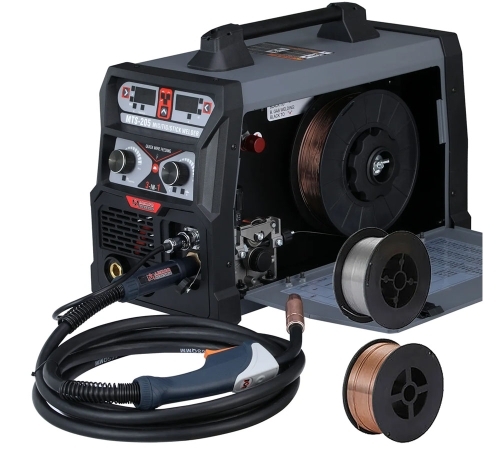
Strategic Sourcing and Supplier Partnerships for Industrial Equipment
Beyond the technical specifications of the Heavy Machinery SAW itself, the choice of supplier is a critical factor in achieving cost savings and operational excellence. A reliable supplier offers not just quality equipment but also comprehensive support, timely delivery, and a deep understanding of industry needs.
Ensuring Quality and Delivery Consistency
When sourcing industrial machinery, quality assurance is non-negotiable. Partnering with suppliers who adhere to international quality standards, such as ISO 9001, provides an assurance of product reliability and performance. This certification signifies a commitment to consistent quality management systems, from design and manufacturing to customer service. Moreover, a supplier's ability to consistently deliver within agreed-upon timeframes is crucial for maintaining production schedules and avoiding costly delays. Oldwelders, for example, is equipped to handle substantial orders, with production capabilities that can supply 100 tons a day and a minimum order quantity (MOQ) often as low as 1 ton for certain products, ensuring flexibility for various project scales. Our standard lead time is typically 30 days, reflecting efficient production and logistics planning.
Furthermore, effective after-sales support, including spare parts availability and technical assistance, can significantly reduce the long-term cost of ownership by minimizing downtime and extending the lifespan of the equipment. A supplier who acts as a true partner will provide ongoing support to ensure the optimal performance of their machinery.
Global Reach and Market Understanding
For businesses operating in an international landscape or considering expansion, a supplier with global reach and an understanding of diverse market requirements can be invaluable. This includes familiarity with regional regulations, logistics, and specific industry demands. Companies targeting markets such as Brazil, Thailand, Australia, and Malaysia benefit from suppliers who have experience in these regions, ensuring smoother transactions and tailored solutions. Oldwelders has experience serving these diverse markets, demonstrating our capability to meet global industrial demands and provide relevant welding fluxes and equipment solutions worldwide.
A supplier’s ability to adapt to different market conditions and provide localized support can significantly simplify procurement processes and enhance project success rates. This global perspective is indicative of a robust and experienced partner capable of supporting complex industrial operations.
Integrating Cutting and Welding for Optimal Production Flow
The efficiency of an entire manufacturing process often hinges on the seamless integration of individual stages. Precision cutting, facilitated by a high-quality Heavy Machinery SAW, directly impacts the subsequent welding and fabrication processes. By optimizing cutting operations, businesses can achieve a more streamlined workflow, reduce bottlenecks, and ultimately lower overall production costs.
The Role of Advanced Welding Solutions in Manufacturing
Once materials are precisely cut, the next critical step in many heavy machinery applications is joining them through welding. The quality of welds directly affects the structural integrity, durability, and performance of the final product. Just as an efficient saw reduces waste and improves precision in the cutting phase, advanced welding solutions enhance productivity and quality in the joining phase. Oldwelders specializes in a comprehensive range of welding products, including various types of automatic welding machine options, welding wire, and welding rods, designed to meet the rigorous demands of industrial fabrication. Our expertise ensures that components are not only accurately cut but also impeccably joined, contributing to a superior end product.
The synergy between precise cutting and high-quality welding is key to minimizing rework, reducing labor costs, and accelerating project completion. When parts fit perfectly, welders can work more efficiently, producing stronger, more consistent welds in less time. This integrated approach to manufacturing is essential for achieving cost-effectiveness and maintaining high standards in heavy industry.
Minimizing Downtime and Maximizing Output
Downtime in a manufacturing facility is a significant cost driver. Every hour a machine is idle due to maintenance, repairs, or material preparation issues translates into lost production and increased overheads. Investing in reliable Heavy Machinery SAW systems that require minimal maintenance and offer high uptime is therefore a strategic imperative. Paired with efficient welding equipment and a robust supply chain for consumables, businesses can significantly reduce their overall downtime.
By focusing on equipment that offers both high performance and reliability, manufacturers can ensure a continuous and optimized production flow. This holistic approach, from initial material cutting through to final assembly with high-quality welding, underscores the importance of every component in the production chain. Ultimately, the goal is to maximize output while minimizing the total cost per unit, ensuring long-term success and profitability for heavy machinery manufacturers globally.