
Heavy Machinery SAW: Choosing Right for Steel
Optimizing Steel Fabrication: A Guide to Selecting the Right Heavy Machinery SAW
For any fabrication or procurement team involved in steel processing, the initial cut sets the foundation for all subsequent operations. Choosing the appropriate heavy machinery SAW is a critical decision that impacts efficiency, precision, and ultimately, the profitability of a project. While Oldwelders specializes in providing top-tier welding machines, wires, rods, and fluxes, we understand that the quality of your cuts directly influences the quality of your welds. This guide aims to equip you with the knowledge needed to make informed choices when specifying industrial saws for steel, ensuring your entire workflow, from cutting to welding machine application, is optimized for success.
The landscape of heavy machinery for steel cutting is vast, encompassing a range of technologies designed to handle different material properties, dimensions, and production volumes. From the precise, clean cuts required for structural components to the rapid processing of raw stock, understanding your specific operational needs is paramount. This article delves into the key considerations, types of saws, and essential features to evaluate, helping you navigate the complexities of procurement for this foundational equipment.
Understanding Your Steel Cutting Requirements
Before even considering specific models of heavy machinery, it is essential to conduct a thorough assessment of your operational demands. A clear understanding of your material, desired output, and budgetary constraints will streamline the selection process significantly.
Material Type and Thickness
Steel comes in various forms, each with unique metallurgical properties that dictate the most effective cutting method. Are you primarily working with carbon steel, stainless steel, or alloy steel? What are the typical dimensions—sheet, plate, bar stock, or structural profiles? The thickness of the material is particularly important, as some saws excel at thin gauges while others are built for heavy-duty, thick sections. For instance, cutting thick structural beams demands a different approach than processing thin stainless steel sheets for precision components.
Cut Accuracy and Finish
The required accuracy and surface finish of the cut are crucial factors. High-precision applications, such as those for aerospace or critical infrastructure, demand minimal burr and a smooth edge, often necessitating post-cut finishing if the saw itself cannot achieve it. Conversely, rough cuts for preliminary sizing might tolerate a less refined finish. Consider the tolerance levels your subsequent processes, particularly welding, can accommodate. A clean, square cut reduces the need for extensive joint preparation, thereby saving time and resources—a principle that aligns with the quality standards Oldwelders upholds in its welding materials.
Production Volume and Speed
Your anticipated production volume and desired cutting speed will heavily influence the type and capacity of the heavy machinery SAW you choose. High-volume operations require automated systems capable of continuous, rapid processing with minimal human intervention. For lower volumes or specialized, infrequent cuts, a more versatile, less automated machine might be more cost-effective. Evaluate throughput rates, loading/unloading times, and the potential for integration into existing production lines. The goal is to maximize productivity without compromising on cut quality or operational safety.
Budget and Operational Costs
Beyond the initial purchase price, consider the total cost of ownership (TCO). This includes blade costs, energy consumption, maintenance, and the cost of consumables like coolants and lubricants. Investing in a more expensive, robust machine with lower ongoing operational costs can often prove more economical in the long run. Additionally, factor in the availability and cost of spare parts and technical support. A reliable supplier, much like Oldwelders' commitment to providing durable welding fluxes, ensures longevity and consistent performance.
Types of Heavy Machinery Saws for Steel
The market offers several principal types of industrial saws, each with distinct advantages and ideal applications. Understanding these differences is key to making an informed decision.
Cold Saws (Circular Saws)
Industrial cold saws use a large, toothed circular blade that rotates at a relatively slow speed, shearing the material without generating significant heat. This process results in clean, burr-free cuts with excellent surface finishes and minimal material distortion. They are highly effective for cutting solid bars, tubes, and structural profiles made from various steels. Cold saws are known for their precision and ability to produce consistent, high-quality cuts, making them suitable for applications where subsequent machining or welding directly follows the cut.
Bandsaws
Bandsaws utilize a continuous metal band with teeth, guided by two or more wheels. They are highly versatile and can cut a wide range of material sizes and shapes, from small sections to large blocks. Bandsaws are generally categorized into vertical and horizontal types. Horizontal bandsaws are common for cutting long stock materials, while vertical bandsaws offer more flexibility for intricate cuts or contouring. While not always as precise as cold saws for certain applications, modern CNC bandsaws offer impressive accuracy and efficiency, particularly for high-volume cutting of larger cross-sections. Their lower operational cost per cut, especially for larger materials, makes them a popular choice for many fabrication shops.
Abrasive Saws
Abrasive saws, also known as chop saws or cut-off saws, use an abrasive disc (similar to a grinding wheel) to cut through metal. They work by grinding away the material rather than shearing it. These saws are typically less expensive to purchase and are effective for cutting hardened steels, pipes, and rebar. However, they generate significant heat, produce a rougher cut with more burr, and have a wider kerf. The high heat can also alter the metallurgical properties of the cut edge, which might be a concern for certain welding applications. They are best suited for applications where speed and portability are prioritized over precision and finish, or where the material is particularly hard.

Plasma and Laser Cutting (Alternatives)
While not strictly "saws," plasma and laser cutting technologies are critical alternatives for steel cutting that fabrication teams often consider. Plasma cutters use an accelerated jet of hot plasma to cut through electrically conductive materials, including various types of steel. They offer high speed and versatility for cutting complex shapes and thicker plates. Laser cutters use a focused laser beam to melt, burn, or vaporize material, providing extremely high precision and fine cuts, especially for thinner gauges. Both technologies offer significant advantages in terms of speed, accuracy, and automation for specific applications, often complementing or replacing traditional sawing methods depending on the project's demands.
Key Features and Specifications to Evaluate
Once you have a clear understanding of your requirements and the types of saws available, the next step is to delve into the specific features and specifications that differentiate one heavy machinery SAW from another. This detailed evaluation ensures you select a machine that perfectly aligns with your operational goals.
Blade Technology and Durability
The blade is the heart of any saw. For cold saws, considerations include blade diameter, tooth geometry, and coating materials (e.g., TiN, TiAlN) which enhance durability and cutting performance. For bandsaws, the pitch, width, and material of the blade (e.g., bi-metal, carbide-tipped) are crucial for optimizing cuts across different steel types and thicknesses. Longer blade life translates to reduced downtime and lower consumable costs. It is important to match the blade to the specific steel alloy and desired cut quality. Just as Oldwelders ensures the quality of its submerged arc welding flux HJ431 through high-grade raw materials, the quality of your saw blade is paramount.
Motor Power and Drive System
Sufficient motor power is essential to maintain consistent cutting speed and torque, especially when processing tough or thick materials. An underpowered motor can lead to premature blade wear, slow cuts, and poor finish. Evaluate the horsepower (HP) or kilowatt (kW) rating and the type of drive system (e.g., geared, direct-drive). Look for systems that offer variable speed control, allowing operators to optimize cutting parameters for different materials and applications, thereby extending blade life and improving cut quality.
Clamping and Material Handling
Effective material clamping is vital for achieving accurate cuts and ensuring operator safety. Look for robust vises, hydraulic or pneumatic clamping systems, and features like automatic clamping. For high-volume operations, consider integrated material handling systems such as automatic bar feeders, roller conveyors, and discharge tables. These features minimize manual labor, increase throughput, and reduce the risk of material damage or operator injury. Automation in material handling is a significant factor in boosting overall productivity.
Safety Features and Automation
Modern industrial saws incorporate numerous safety features, including blade guards, emergency stop buttons, interlocks, and overload protection. Prioritize machines that meet international safety standards. Furthermore, consider the level of automation. CNC (Computer Numerical Control) saws offer programmable cutting sequences, automatic material feeding, and precise length measurement, significantly increasing accuracy and efficiency while reducing human error. Features like automatic blade deviation monitoring and fault diagnostics can also contribute to safer and more reliable operation.
Maintenance and Support
Regular maintenance is crucial for the longevity and performance of any heavy machinery SAW. Evaluate the ease of maintenance, availability of spare parts, and the quality of technical support offered by the supplier. A machine that requires specialized tools or excessive downtime for routine service can quickly erode its initial cost savings. Inquire about warranty terms, service contracts, and the availability of training for your operators and maintenance staff. A reputable supplier will offer comprehensive support, much like Oldwelders stands by its ISO 9001 certified products and commitment to customer satisfaction across markets like Brazil, Thailand, Australia, and Malaysia.
Partnering for Comprehensive Fabrication Solutions
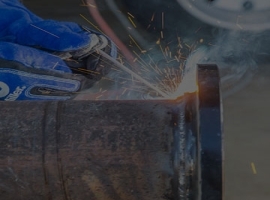
While selecting the right heavy machinery SAW is a foundational step, it is equally important to consider the entire fabrication ecosystem. The quality of your cuts directly impacts the efficiency and integrity of subsequent processes, especially welding. At Oldwelders, we understand this interconnectedness and are dedicated to supporting fabrication teams with high-quality welding solutions that complement precise cutting operations.
Our commitment to excellence is underpinned by our ISO 9001 certification, a testament to our rigorous quality management systems. This certification ensures that every arc welding machine, welding wire, and welding flux we produce meets stringent international standards. When your steel is cut with precision, the subsequent welding process becomes smoother, requiring less rework and yielding stronger, more reliable joints.
We pride ourselves on our robust manufacturing capabilities. Our plant, covering an area of 1000 square meters, houses six production lines, enabling us to supply up to 100 tons of flux products daily. This substantial capacity ensures that our partners, whether in Brazil, Thailand, Australia, or Malaysia, receive their orders consistently and reliably. Furthermore, the raw materials for our flux products—excellent dolomite, bauxite, cryolite, silica, and fluorine ore—are melted at 2000 °C, ensuring superior chemical composition and performance that translates to high-quality welds.
By choosing Oldwelders for your welding needs, you're partnering with a supplier that understands the demands of heavy industry. We provide a comprehensive range of products, from advanced automatic welding machine solutions to specialized welding rods and wires, all designed to perform optimally after your materials have been precisely cut. Our expertise ensures that from the initial cut to the final weld, your projects maintain the highest standards of quality and efficiency.
Conclusion
The selection of a heavy machinery SAW for steel fabrication is a strategic investment that demands careful consideration. By thoroughly evaluating your material requirements, desired cut quality, production volume, and overall budget, you can narrow down the options to find a machine that brings optimal value. Understanding the advantages of different saw types—cold saws for precision, bandsaws for versatility, and abrasive saws for hard materials—allows for tailored decision-making.
Beyond the primary cutting equipment, remember that the success of your fabrication projects hinges on the synergy of all components and processes. High-quality cuts pave the way for superior welds. Oldwelders stands ready to support your fabrication endeavors with our ISO 9001 certified range of welding machines, wires, rods, and fluxes. Our impressive production capacity and dedication to using premium raw materials ensure that your welding operations are as reliable and efficient as your cutting processes. Partner with Oldwelders to ensure that every stage of your steel fabrication meets the highest standards of excellence.