
Is Importing a Welding Machine Worth the Cost?
Is Importing a Welding Machine a Viable Strategy for Your Business?
For procurement professionals and operations managers, the decision to invest in new industrial equipment, particularly a welding machine, often involves a complex evaluation of cost, quality, and long-term value. While local sourcing can seem straightforward, the global market offers a compelling alternative: importing. This article delves into the critical factors that determine whether the import cost of a welding machine is a worthwhile investment for your enterprise, examining the benefits of global sourcing from reputable manufacturers like Oldwelders.
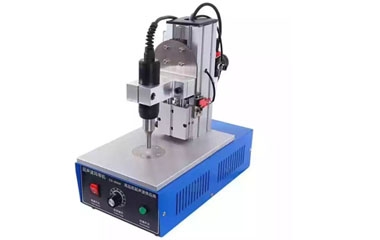
Understanding the True Cost of Importing a Welding Machine
When considering imported industrial equipment, the initial purchase price is just one component of the total cost of ownership. A comprehensive financial analysis must account for various factors that contribute to the overall expenditure and, ultimately, the return on investment.
Beyond the Sticker Price: Initial Purchase and Tariffs
The quoted price of a welding machine from an international supplier might be competitive, but it’s crucial to factor in import duties, taxes, and tariffs specific to your region. These charges can vary significantly based on trade agreements and product classifications. It is advisable to consult with customs brokers or trade specialists to obtain accurate estimates before committing to a purchase. While these additional costs exist, they often do not negate the competitive pricing and advanced features offered by specialized global manufacturers.
Logistics and Shipping Expenses
Transporting heavy industrial equipment across continents requires robust logistics planning. Shipping costs, insurance, and handling fees are integral parts of the import equation. Depending on urgency and budget, options range from sea freight for cost-effectiveness to air freight for speed. Established suppliers often have preferred logistics partners, which can help streamline the process and potentially reduce costs. Oldwelders, for instance, has experience serving diverse target markets including Brazil, Thailand, Australia, and Malaysia, indicating a proven capability in managing international shipments efficiently.
Currency Exchange Rates and Payment Terms
Fluctuations in currency exchange rates can impact the final cost of an imported welding machine. It’s important to understand the payment terms offered by the supplier and, if possible, hedge against significant currency shifts. Reputable B2B suppliers typically offer clear payment schedules, often requiring an upfront deposit followed by payments upon shipment or delivery. Oldwelders’ standard terms, such as a 30-day payment or delivery term, provide a structured approach to transactions, allowing procurement teams to manage cash flow effectively.
Quality Assurance and Reliability Benefits of Imported Equipment
The perceived risk associated with imported goods, particularly industrial machinery, often centers on quality and reliability. However, many international manufacturers adhere to stringent global standards, often surpassing local benchmarks. Investing in a high-quality imported welding machine can lead to superior performance and reduced operational downtime.
Adherence to Global Manufacturing Standards (ISO 9001)
Leading manufacturers in the global arena prioritize quality control. Oldwelders, for example, is an ISO 9001 certified company. This certification signifies a commitment to maintaining a robust quality management system, ensuring that products consistently meet customer and regulatory requirements. For buyers, this provides an independent assurance of quality, mitigating the risks often associated with international procurement. Such certifications are critical indicators of a manufacturer's dedication to producing reliable and high-performance equipment.
Advanced Technology and Innovation
International markets are often at the forefront of technological innovation. Importing a welding machine can provide access to advanced features, superior efficiency, and cutting-edge designs that might not yet be widely available domestically. This access to advanced technology can translate into improved productivity, higher weld quality, and greater operational flexibility for your production lines. For example, specialized equipment like an arc welding machine or a high grade energy welding machine often benefits from global R&D efforts, offering solutions tailored for specific industrial applications.
Operational Efficiencies and Long-Term Value
The long-term value of an imported welding machine extends beyond its initial cost and quality. Its operational efficiency, durability, and the support from its manufacturer play a significant role in its overall worth.
Enhanced Production Capacity and Uptime
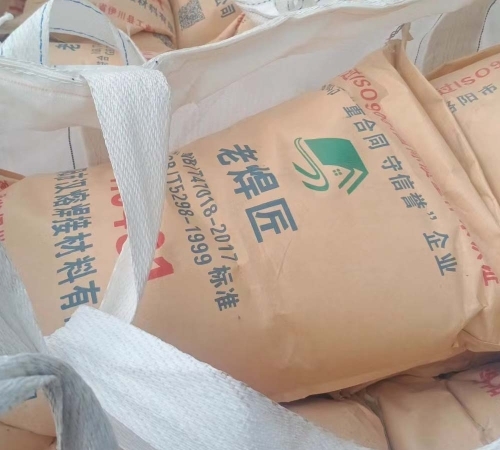
Investing in a robust, high-capacity welding machine can significantly boost your production capabilities. A well-engineered machine is designed for continuous operation, minimizing breakdowns and maximizing uptime. Oldwelders’ manufacturing facility, covering an area of 1000 square meters and equipped with six production lines, demonstrates a significant capacity to meet industrial demands. This infrastructure supports the production of not only welding machines but also high-quality welding fluxes, with a capacity to supply 100 tons a day. This extensive capability ensures that the core components and materials used in their products are consistently high quality, contributing to the reliability of the final welding equipment.
Supplier Expertise and Support
A strong relationship with your supplier is invaluable. A knowledgeable B2B partner offers not just products but also expertise, technical support, and after-sales service. Oldwelders, with its focus on welding machine, welding wire, welding rod, and welding fluxes, possesses deep industry knowledge. Their commitment to using excellent raw materials for flux products, such as dolomite, bauxite, cryolite, silica, and fluorine ore, melted at 2000 °C, underscores their dedication to quality across their entire product range. Such specialized knowledge ensures that customers receive appropriate recommendations and effective troubleshooting, thereby extending the lifespan and optimizing the performance of their welding equipment.
Minimum Order Quantity (MOQ) and Flexibility
While some international suppliers impose high MOQs, Oldwelders offers a practical minimum order quantity of 1 ton. This flexibility makes it accessible for businesses of varying sizes to procure high-quality welding products without excessive inventory commitments. This approach helps reduce barriers to entry for companies exploring international procurement options, ensuring they can test the market or fulfill specific project requirements without undue financial burden.
Navigating the Import Process with a Trusted Partner
The perceived complexity of international trade can deter some businesses. However, with an experienced partner, the import process can be streamlined and efficient, unlocking global market advantages.
Streamlined Procurement and Delivery
Choosing a supplier with a proven track record in international logistics and customer support is crucial. A reliable partner will assist with documentation, customs clearance, and freight forwarding, simplifying the procurement journey. Oldwelders’ experience in delivering to markets such as Brazil, Thailand, Australia, and Malaysia confirms their capability to manage the intricacies of global trade. Their 30-day term, whether for delivery or payment, provides a clear framework for transactions, enhancing predictability and trust.
Global Reach and Market Relevance
For businesses operating in or targeting international markets, sourcing globally aligned equipment can offer a competitive edge. An imported welding machine, manufactured to international standards and often designed with global applications in mind, can be more suitable for projects that span different regions. Oldwelders’ established presence in diverse markets like Brazil, Thailand, Australia, and Malaysia demonstrates their understanding of global client needs and their ability to supply suitable industrial solutions across various geographical contexts.
Making an Informed Decision for Your Welding Needs
Ultimately, the decision to import a welding machine hinges on a thorough cost-benefit analysis. While there are additional costs associated with international procurement, the potential for superior quality, advanced technology, enhanced operational efficiency, and access to specialized expertise often outweighs these initial expenses. For businesses prioritizing long-term value, reliability, and competitive advantage, importing a welding machine can indeed be a highly worthwhile investment.
By partnering with an ISO 9001 certified manufacturer like Oldwelders, which boasts significant production capacity and a commitment to quality raw materials, businesses can confidently navigate the import process. Their comprehensive range of products, including various welding fluxes, ensures that all related welding needs can be met from a single, trusted source. Weighing these factors carefully will empower procurement teams to make strategic decisions that drive efficiency and profitability for their organizations.