
How to Source Submerged Arc Wire for Pipeline SAW
How to Effectively Source Submerged Arc Wire for Pipeline Fabrication
Submerged Arc Welding (SAW) is the cornerstone of modern pipeline construction, prized for its high deposition rates, deep penetration, and exceptional weld quality. For procurement managers and engineering teams, the selection of welding consumables is not merely a line item—it is a critical decision that directly impacts project integrity, safety, and profitability. The heart of the SAW process is the synergistic combination of a solid wire electrode and a granular flux. Sourcing the right Submerged Arc Wire is a multi-faceted task that requires a deep understanding of technical specifications, rigorous supplier vetting, and a clear procurement strategy. This guide provides a detailed framework for sourcing high-quality SAW consumables for demanding pipeline applications.
Understanding the Technical Specifications for Pipeline SAW Consumables
Before initiating a Request for Quotation (RFQ), it is essential to have a precise understanding of the technical requirements for your project. These specifications form the basis of your search and are non-negotiable for ensuring weld performance meets industry standards and engineering designs.
AWS/ASME Classifications
The American Welding Society (AWS) and the American Society of Mechanical Engineers (ASME) provide a standardized system for classifying welding consumables. For SAW, the key specifications are AWS A5.17 (for carbon steel) and AWS A5.23 (for low-alloy steel). These classifications define the chemical composition of the wire and the required mechanical properties of the weld metal when used with a specific flux. For example, a common classification for pipeline welding is EM12K for the wire. It is crucial to match the wire-flux classification to the base material of the pipe, such as API 5L grades X65, X70, or X80, to achieve the desired strength and toughness.
Chemical Composition
The chemical composition of the wire dictates the final properties of the weld metal. Key elements include:
- Carbon (C): Influences the hardness and tensile strength of the weld. Higher carbon content increases strength but can reduce ductility and increase the risk of cracking.
- Manganese (Mn): Acts as a deoxidizer and contributes significantly to the strength and hardness of the weld metal. It also helps prevent hot cracking by tying up sulfur.
- Silicon (Si): The primary deoxidizer in most SAW wires. It helps produce a clean, sound weld by removing oxygen from the molten weld pool, which prevents porosity.
The balance of these elements must be carefully controlled to ensure compatibility with the base metal and the selected welding flux. Always request a detailed chemical analysis from potential suppliers to verify compliance with your project's specifications.
Mechanical Properties
For pipeline applications, especially those in harsh climates or for sour service, mechanical properties are paramount. Your RFQ must clearly state the required values, which are typically verified through weld procedure qualification records (PQRs) and batch testing.
- Tensile and Yield Strength: The weld metal must meet or exceed the specified minimum tensile and yield strength of the parent pipe material to ensure the integrity of the joint.
- Impact Toughness: Charpy V-Notch (CVN) testing measures the weld's ability to resist brittle fracture at low temperatures. A typical requirement for a pipeline project might be "a minimum of 40 Joules average absorbed energy at -20°C." This is a critical safety parameter.
Key Criteria for Evaluating Potential Suppliers
Once you have defined your technical specifications, the next step is to evaluate potential suppliers. A low price is attractive, but a reliable partner offers much more, including consistent quality, dependable delivery, and robust technical support. Focus on suppliers who can demonstrate their capabilities through verifiable evidence.
Manufacturing Capabilities and Quality Control
A supplier's production facility is a direct indicator of their ability to meet quality and volume demands. Look for manufacturers who are transparent about their operations. For instance, a well-equipped plant, such as our 1000-square-meter facility with six production lines, demonstrates the capacity to handle large-scale orders. With the ability to supply up to 100 tons per day, such a partner can ensure a consistent and reliable flow of materials, preventing costly project delays.
Quality management systems are non-negotiable. A fundamental requirement should be an ISO 9001 certification, which confirms that the supplier adheres to internationally recognized standards for quality control. This certification provides assurance that processes are in place for everything from raw material inspection to final product testing. At Oldwelders, our ISO 9001 certification is a cornerstone of our commitment to quality, ensuring every spool and drum of wire meets exacting standards.
Logistics and Supply Chain Reliability
For international projects, a supplier's logistical expertise is as important as their manufacturing prowess. Inquire about their experience exporting to your region. A supplier with a proven track record in markets like Brazil, Thailand, Australia, and Malaysia will be familiar with the complexities of international shipping, customs, and documentation.
Key logistical parameters to clarify include:
- Lead Time: Understand the typical time from order placement to shipment. A standard lead time of around 30 days is common for manufactured goods, allowing for production scheduling and quality checks.
- Minimum Order Quantity (MOQ): This determines the supplier's flexibility. An MOQ of 1 ton, for example, makes a supplier accessible for both large-scale projects and smaller, specialized jobs or qualification testing.
- Packaging and Handling: Ensure the supplier provides robust, moisture-resistant packaging suitable for international transit to protect the product's integrity.
Technical Support and Documentation
A reputable supplier acts as a technical partner. They should provide comprehensive documentation with every shipment, including a Material Test Report (MTR) or Certificate of Conformance (CoC) that details the specific chemical and mechanical properties of that production batch. This documentation is essential for your quality assurance records and traceability. Furthermore, access to their technical team for guidance on welding parameters or troubleshooting is an invaluable asset.
The Critical Role of Welding Flux in the SAW Process
The Submerged Arc Wire is only one half of the consumable system. The granular welding flux plays an equally important role, influencing the final weld in several ways:
- Shielding: It melts to create a protective slag layer over the molten weld pool, shielding it from atmospheric contamination.
- Alloying: Active fluxes can add or remove elements like manganese and silicon from the weld metal, altering its final mechanical properties. Neutral fluxes have a minimal effect on the chemistry.
- Weld Bead Shape: The flux's characteristics influence the weld bead's contour, smoothness, and slag detachability.
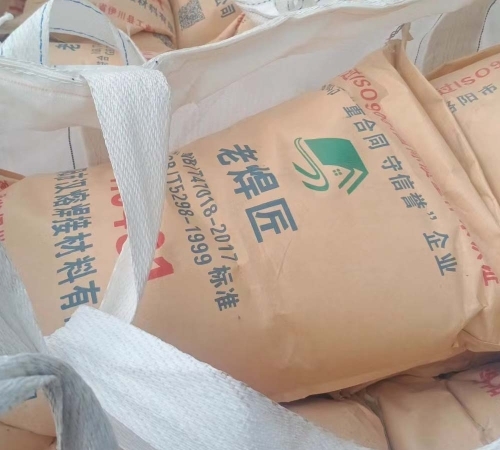
When sourcing your wire, you must also source a compatible and qualified flux. Reputable manufacturers produce both and can recommend the optimal wire-flux combination for your specific application. The quality of the flux is determined by its raw materials—such as dolomite, bauxite, and cryolite—and the manufacturing process. For example, melting these raw materials at extremely high temperatures of 2000°C ensures a homogenous, high-purity fused flux. Always procure your wire and welding fluxes as a system from a single, qualified supplier to guarantee performance.
Building a Robust RFQ for Your Welding Consumables
A detailed and unambiguous RFQ is the key to receiving accurate and comparable quotes. A weak RFQ leads to confusion, incorrect pricing, and potentially unsuitable product offers. Your document should be a clear statement of your needs, leaving no room for interpretation.
Essential Elements of a Comprehensive RFQ:
- Product Identification: State the exact AWS/ASME classification required (e.g., AWS A5.17 EM12K wire with F7A2 flux).
- Technical Specifications:
- Wire diameter(s) in mm or inches.
- Required chemical composition ranges for key elements.
- Mandatory mechanical properties, including minimum tensile strength, yield strength, and specific Charpy V-Notch impact values at a given temperature.
- Quantity and Packaging: Specify the total required weight (e.g., 20 tons) and the preferred packaging (e.g., 25 kg spools, 250 kg drums).
- Documentation Requirements: Explicitly request that the quote includes a commitment to provide batch-specific MTRs and a copy of the supplier's ISO 9001 certificate.
- Logistical Information: Provide the final delivery port (Incoterms) and the required delivery window.
By providing this level of detail, you empower suppliers to quote exactly what you need, streamlining the evaluation process and ensuring the welding materials you procure will meet your project's stringent demands.
Integrating SAW Wire with Your Welding Equipment
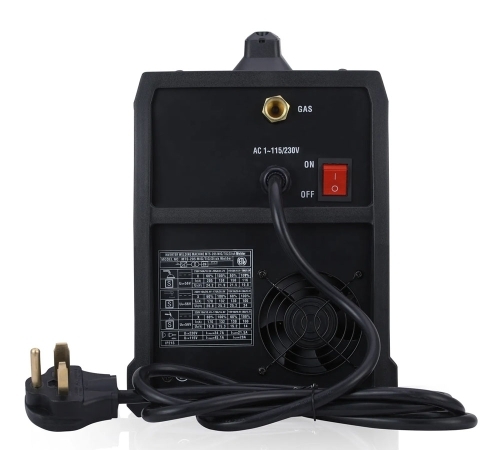
Finally, consider the compatibility of the consumables with your welding equipment. The diameter of the Submerged Arc Wire will dictate the drive rolls and contact tips needed on your wire feeder. The type of flux and wire may also influence the optimal settings on your welding machine. Automated SAW systems used in pipeline girth welding rely on precise, consistent feeding of the wire from large packages like drums to maximize arc-on time. Ensure your supplier's packaging is compatible with your automated welding tractors and manipulators to avoid production bottlenecks.
In conclusion, sourcing SAW consumables for pipeline projects is a strategic process that extends far beyond a simple price comparison. It requires a thorough understanding of technical specifications, a rigorous evaluation of supplier capabilities, and a clear communication of your requirements. By focusing on quality systems like ISO 9001, verifying manufacturing capacity, and demanding comprehensive documentation, you can forge a partnership with a supplier who will contribute to the success and safety of your critical infrastructure projects.