
How to Select Submerged Arc Wire by Plate Grade and Thickness
A Professional Guide to Selecting Submerged Arc Wire by Plate Grade and Thickness
Submerged Arc Welding (SAW) is a high-deposition, high-efficiency welding process favored for its ability to produce consistent, high-quality welds in thick materials. Central to this process is the selection of the correct consumables: the wire and the flux. Choosing the right submerged arc wire is not a matter of simple preference; it is a critical engineering decision dictated primarily by the base material's grade and thickness. An incorrect choice can lead to weld defects, compromised mechanical properties, and project failure. This guide provides a detailed framework for welding engineers and procurement specialists to navigate the selection process, ensuring the chosen consumable meets the stringent demands of the application.
The synergy between the wire and the base metal is paramount. The wire's chemical composition must be compatible with the plate to achieve the desired tensile strength, toughness, and corrosion resistance in the final weldment. Furthermore, the thickness of the plate introduces complexities related to heat input, number of passes, and potential for distortion or defects. By methodically considering these two factors—plate grade and thickness—professionals can confidently specify a wire-flux combination that guarantees structural integrity and operational excellence.
Understanding Base Metal Plate Grades and Their Impact on Wire Selection
The first and most important step in selecting a welding consumable is to thoroughly understand the base material. Steel plates are manufactured to specific grades, each with a unique chemical composition and set of mechanical properties defined by standards from organizations like ASTM, API, and EN. These properties are what the design engineer relies on, and the weld must, at a minimum, match them.
Common Plate Grades and Their Requirements
Different industries utilize a wide range of steel grades, each presenting unique welding challenges:
- Mild and Carbon Steels (e.g., ASTM A36, A516 Gr. 70): These are the workhorses of structural fabrication and pressure vessel construction. Welding these materials typically requires a wire that provides good strength and ductility. A wire like an AWS A5.17 EM12K is often a suitable choice, providing a good balance of manganese and silicon to deoxidize the weld pool and produce a sound weld. The goal is to match or slightly overmatch the base metal's tensile strength without introducing excessive hardness that could lead to cracking.
- High-Strength Low-Alloy (HSLA) Steels (e.g., ASTM A572 Gr. 50): HSLA steels offer improved strength-to-weight ratios. Welding them requires careful control of the weld metal's chemical composition to maintain these enhanced properties. Wires for HSLA steels are alloyed with elements like manganese, nickel, chromium, and molybdenum to achieve the required strength and toughness, especially at low temperatures.
- Quenched and Tempered (Q&T) Steels (e.g., ASTM A514): These steels possess very high strength and require low-hydrogen welding practices to prevent hydrogen-induced cracking. The wire selection must be precise to avoid compromising the heat-affected zone (HAZ) and to ensure the weld metal has adequate toughness.
- Pipeline Steels (e.g., API 5L X65, X70): Used in demanding environments, these steels require welds with exceptional toughness to resist fracture propagation. The wire and flux combination must be capable of producing a weld deposit with a specific Charpy V-notch toughness at low service temperatures.
The Role of Chemical Composition
The wire's chemical composition directly influences the final weld metal's properties. Key alloying elements include:
- Manganese (Mn): Acts as a deoxidizer and contributes to strength and hardness.
- Silicon (Si): A primary deoxidizer that helps produce a smooth bead and clean, easily detachable slag.
- Carbon (C): Increases strength and hardness but can reduce ductility and weldability if levels are too high.
- Nickel (Ni), Chromium (Cr), Molybdenum (Mo): Added to improve strength, toughness, corrosion resistance, and high-temperature performance.
For any large-scale project, consistency in wire chemistry is non-negotiable. Partnering with a supplier that maintains rigorous quality control, such as an ISO 9001 certification, ensures that every spool or drum of wire adheres to the specified chemical and mechanical properties, delivering predictable and repeatable welding results.
How Plate Thickness Governs Wire Diameter and Process Parameters
Once the appropriate wire chemistry is determined based on the plate grade, the next critical factor is the plate's thickness. Thickness influences every aspect of the welding procedure, from the number of passes required to the heat input control necessary to maintain the material's integrity.
Single-Pass vs. Multi-Pass Welding
The choice between a single-pass and a multi-pass welding procedure is a direct function of plate thickness.
- Thin Plates (up to ~12 mm): Thinner sections can often be welded in a single pass. This requires a wire diameter and welding parameters (amperage, voltage, travel speed) that provide full penetration without excessive burn-through. A smaller diameter wire might be used to maintain better control over the weld pool.
- Thick Plates (>12 mm): Thick plates almost always require a multi-pass approach. The initial root pass is critical for establishing a solid foundation, followed by subsequent fill and cap passes to complete the joint. For these applications, a larger diameter submerged arc wire is typically more efficient, allowing for higher deposition rates to fill the large joint volume. However, each pass refines the grain structure of the one beneath it, which can improve the overall toughness of the weld.
For major infrastructure and fabrication projects, such as those found in our key markets of Brazil and Australia, efficiency is paramount. The ability to deposit large volumes of high-quality weld metal quickly is a significant advantage of the SAW process, especially on thick-section materials common in shipbuilding, bridge construction, and pressure vessel manufacturing.
Heat Input and Its Consequences
Heat input is a measure of the energy transferred to the workpiece per unit length of weld. It is a critical parameter, especially when welding heat-sensitive materials like Q&T steels or certain stainless steels.
Heat Input (kJ/mm) = (Voltage x Amperage x 60) / (Travel Speed in mm/min x 1000)
Plate thickness has a direct relationship with heat input management:
- Thick Plates: Can absorb and dissipate more heat, allowing for higher heat input procedures which, in turn, enable higher deposition rates. However, excessively high heat input can still degrade the mechanical properties of the HAZ, particularly its toughness.
- Thin Plates: Have less mass to absorb thermal energy, making them susceptible to distortion, warping, and burn-through if the heat input is too high. Lower heat input procedures are necessary, which may involve using a smaller wire diameter, lower current, and faster travel speeds.
Selecting the correct wire diameter is part of managing this thermal cycle. A larger wire can carry more current, increasing deposition but also heat input. The engineer must balance the need for productivity with the metallurgical constraints of the base material.
Matching Wire and Flux for Optimal Performance
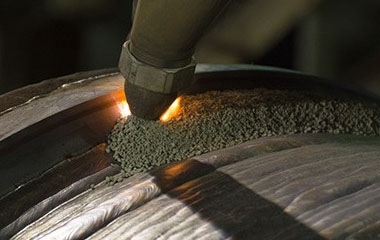
The submerged arc process is unique because the properties of the final weld are determined by the combination of the wire and the flux. The flux not only shields the molten weld pool from the atmosphere but also contributes alloying elements and deoxidizers, cleanses the weld metal, and shapes the bead profile. Therefore, one cannot select a wire in isolation.
Fluxes are generally categorized as active, neutral, or basic.
- Active Fluxes: Add deoxidizers like manganese and silicon to the weld metal. They are excellent for welding over light rust or mill scale but are typically limited to single or two-pass welds, as their composition can build up in multi-pass applications and alter weld metal properties unpredictably.
- Neutral Fluxes: Have minimal effect on the weld metal's chemical composition. The final properties are almost entirely determined by the wire's chemistry and any dilution from the base plate. They are ideal for multi-pass welding on thick sections where consistent properties are essential. For general-purpose carbon steel fabrication, pairing a wire like EM12K with submerged arc welding flux hj431 is a common and reliable choice.
- Basic (or Alloy) Fluxes: Used for welding high-strength steels. They produce weld metal with excellent toughness and low hydrogen content. Some basic fluxes are also designed to add specific alloys to the weld, allowing a standard carbon steel wire to be used for welding alloyed steels.
Practical Procurement and Application Considerations
Beyond the technical specifications, several practical factors influence the successful implementation of a submerged arc welding operation.
Packaging and Supply Chain
The choice of wire packaging can significantly impact productivity. While small spools are suitable for smaller jobs, large-scale automated operations benefit from bulk packaging like drums or large coils, which minimize downtime from changeovers. When planning for a large project, it is crucial to work with a supplier that can ensure a consistent and reliable supply. At Oldwelders, our 1000-square-meter facility is equipped with six production lines, enabling us to supply up to 100 tons of welding materials per day. This capacity ensures that we can meet the demands of large-scale fabricators in markets from Thailand to Malaysia. With a standard lead time of 30 days and a minimum order quantity of 1 ton, procurement can be planned with confidence.
Storage and Handling
Welding consumables must be stored correctly to perform as expected. Wire should be kept in a clean, dry environment to prevent rusting or contamination, which can introduce defects into the weld. Flux is particularly susceptible to moisture absorption. If flux gets damp, it must be re-dried in an oven according to the manufacturer's recommendations to prevent hydrogen-induced cracking, a critical concern in high-strength steel applications.
The Complete System
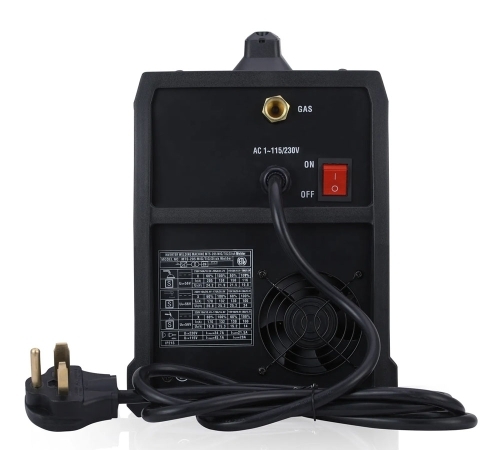
Finally, the submerged arc wire is only one component of a complete welding system. The performance of the wire is intrinsically linked to the power source and wire feeding equipment. A stable arc and consistent wire feed speed are essential for producing uniform welds. Ensuring that your welding machine is properly calibrated and maintained is just as important as selecting the right consumables. A high-quality power source, wire feeder, and travel carriage work in concert with the wire and flux to deliver the repeatable results the SAW process is known for.
Conclusion: A Strategic Approach to Wire Selection
Selecting the proper submerged arc wire is a systematic process rooted in engineering principles. It begins with a deep understanding of the base metal plate grade to determine the required chemical and mechanical properties of the weld. Next, the plate's thickness dictates the welding procedure, heat input controls, and the appropriate wire diameter. Finally, this wire must be paired with a suitable flux to create a system that delivers the desired performance. By carefully considering these factors, welding engineers and procurement managers can avoid costly mistakes, ensure the structural integrity of their fabrications, and maximize the productivity of their welding operations. A strategic partnership with a knowledgeable supplier who can provide consistent, high-quality consumables is the final piece of this critical puzzle.