
How to Choose an Automatic SAW Machine for Metal Fabrication
How to Choose the Right Automatic SAW Machine for Your Metal Fabrication Needs
In heavy industrial fabrication, efficiency, quality, and repeatability are paramount. For applications involving thick steel plates, such as in shipbuilding, pressure vessel manufacturing, bridge construction, and pipeline production, the Submerged Arc Welding (SAW) process is often the method of choice. Its ability to lay down large amounts of filler metal at high speeds makes it incredibly productive. However, to truly harness its potential, automation is key. An Automatic SAW Machine transforms the process, delivering flawless, consistent welds that manual methods simply cannot match.
Choosing the right automated SAW system is a significant capital investment and a critical decision for any fabrication manager or procurement specialist. The market offers a wide array of configurations, each designed for specific tasks. This comprehensive guide will walk you through the essential criteria to consider, ensuring you select a machine that aligns with your production goals, material requirements, and long-term operational strategy. We will explore the technical specifications, application-specific factors, and the crucial role of supplier reliability in making an informed decision.
Understanding the Core Components of an Automated SAW System
Before diving into selection criteria, it's essential to understand the fundamental components that constitute an automated SAW welding system. While configurations vary, most systems are built around a few key elements that work in concert to produce a high-quality submerged arc weld. A thorough understanding of these parts will empower you to ask the right questions when evaluating potential suppliers.
The Power Source
The heart of any welding operation is the power source. For SAW, these are typically high-amperage, high-duty-cycle units, capable of delivering consistent current for long, uninterrupted welding sessions. They can be either DC (Direct Current), AC (Alternating Current), or have advanced waveforms. DC is common for single-wire applications, offering stable arcs and good penetration. AC is often used in multi-wire setups to mitigate arc blow, a magnetic phenomenon that can deflect the arc and cause weld defects.
The Welding Head and Control System
The welding head is the business end of the machine. It houses the wire drive mechanism, contact tip, and flux delivery nozzle. The control system is the brain, allowing the operator to precisely set and monitor critical parameters like voltage, amperage (wire feed speed), and travel speed. Modern controllers offer features like pre-set programs, digital readouts, and feedback loops that automatically adjust parameters to maintain a consistent weld profile, which is vital for quality control.
The Travel Mechanism
This is what makes the system "automatic." The travel mechanism moves the welding head along the joint at a controlled, consistent speed. The three most common types are:
- Tractors/Carriages: These are self-propelled, portable units that run directly on the workpiece or a temporary track. They are ideal for long, straight seams on large plates, such as in shipbuilding or large tank fabrication.
- Side Beam Carriages: The welding head is mounted on a carriage that travels along a fixed beam. This setup is excellent for welding longitudinal seams on cylindrical vessels or fabricated beams.
- Manipulators (Boom and Column): This is the most versatile and robust solution. The welding head is mounted on a boom that can move horizontally, vertically, and sometimes rotate on a fixed column. Paired with turning rolls or positioners, manipulators can perform both longitudinal and circumferential welds on a wide range of vessel sizes.
The Flux Handling System
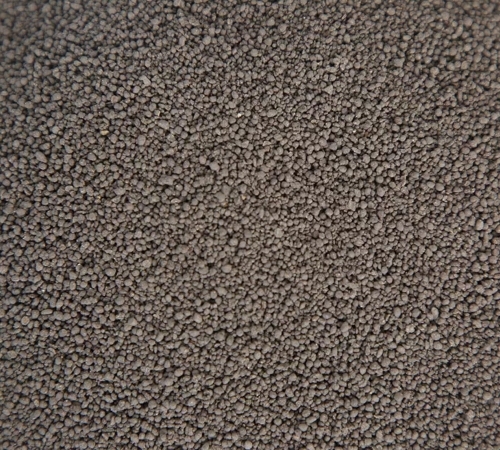
Submerged Arc Welding gets its name from the fact that the arc is submerged under a blanket of granular flux. This flux protects the molten weld pool from atmospheric contamination, shapes the bead, and influences the final mechanical properties. An automated system requires a reliable flux handling system, which typically includes a hopper to feed fresh flux to the joint and a recovery system (often vacuum-based) to collect and recycle unused flux. Efficient flux recovery is critical for reducing operational costs and maintaining a clean work environment.
Key Technical Specifications to Evaluate
When comparing different models of an Automatic SAW Machine, the technical specifications sheet can be daunting. However, focusing on a few key parameters will help you narrow down the options to those that are genuinely suitable for your needs.
Power Source Capacity and Duty Cycle
The required amperage of your power source is directly related to the material thickness you intend to weld and the deposition rate you need to achieve. For thick-section steel (e.g., >25mm), power sources capable of delivering 1000 amps or more are common. Equally important is the duty cycle, which is the percentage of a 10-minute period that the machine can operate at its rated output without overheating. For automated applications involving long, continuous welds, a power source with a 100% duty cycle is non-negotiable. Settling for less will lead to forced downtime and lost productivity.
Wire Feed Speed Range and Wire Diameter Capability
Wire feed speed is directly proportional to amperage in a constant voltage (CV) SAW process. The controller must offer a wide and stable wire feed speed range to accommodate different welding procedures. Furthermore, ensure the machine's drive rolls and contact tips are compatible with the wire diameters you plan to use. A versatile machine should be able to handle a range of wire sizes, for example, from 2.4mm to 4.8mm, allowing you to adapt to various joint designs and thickness requirements.
Travel Speed Control and Accuracy
The consistency of the final weld bead is heavily dependent on the precision of the travel speed. A quality automated system will maintain the set speed regardless of minor variations in load or incline. Look for systems with digital speed control and feedback mechanisms that ensure accuracy. The required speed range will depend on your application; slower speeds are used for deep penetration on thick materials, while higher speeds can be used for subsequent fill passes or thinner materials.
Matching the SAW System to Your Specific Application
A high-quality machine is only effective if it's the right fit for your work. Before making a decision, conduct a thorough analysis of your typical projects and production environment. Your choice of a complete welding machine setup will be dictated by these factors.
Material Type and Thickness
The primary driver for SAW is welding carbon steel, low-alloy steel, and stainless steel. The thickness of these materials will determine the required power, wire diameter, and joint preparation (e.g., square butt, single-V, double-V). For extremely thick sections, a multi-wire or tandem SAW setup might be necessary to achieve the required deposition rates and productivity. Always ensure the machine you are considering has the power and process capability to handle the thickest materials in your project pipeline.
Weld Geometry and Workpiece Handling
Consider the types of welds you perform most frequently. Are they long, straight, longitudinal seams? If so, a tractor or a side beam carriage may be the most cost-effective solution. Do you weld circumferential seams on pipes or vessels? In that case, a column and boom manipulator paired with turning rolls is essential. The size and weight of your workpieces will also dictate the scale and robustness of the required automation equipment. A system designed for small-diameter pipe will not be suitable for fabricating massive pressure vessels.
Production Volume and Environment
For high-volume, repetitive work, a dedicated, hard-automated setup provides the best return on investment. For a job shop with a high mix of different projects, a more flexible system, like a column and boom manipulator, offers greater versatility. Additionally, consider your facility. Do you have the necessary overhead crane capacity to handle large manipulators? Is the floor space adequate? Is the power supply sufficient? These logistical considerations are just as important as the machine's technical specs.
As a supplier with extensive experience exporting to diverse industrial markets in Brazil, Thailand, Australia, and Malaysia, we understand the importance of matching equipment to local conditions and international standards.
The Critical Role of Consumables and Supplier Support
The performance of your Automatic SAW Machine is intrinsically linked to the quality of the consumables you use—specifically the welding wire and flux. The machine, wire, and flux form a three-part system, and any inconsistency in one component will compromise the final weld quality. Therefore, your choice of supplier is as critical as your choice of machine.
A reputable supplier should be able to provide not just the equipment, but also a compatible, high-quality range of welding materials. The chemical composition of the flux plays a vital role in determining the weld metal's mechanical properties, such as tensile strength and impact toughness. Different fluxes (e.g., active, neutral, alloyed) are designed for specific applications and base materials. Partnering with a knowledgeable supplier ensures you receive the correct flux-wire combination for your job, preventing costly rework and material failures.
At Oldwelders, our expertise extends beyond machinery. Our ISO 9001 certified plant, covering 1000 square meters with six production lines, has the capacity to produce 100 tons of high-quality welding fluxes per day. We control the entire manufacturing process, starting with excellent raw materials like dolomite, bauxite, and silica, which are melted at 2000°C to ensure purity and consistency. This vertical integration allows us to guarantee the performance of our consumables and provide comprehensive support to our clients.
Furthermore, look for a supplier who can offer strong after-sales support, including installation, operator training, and readily available spare parts. A reliable partner understands that their responsibility doesn't end once the machine is delivered. They provide ongoing technical assistance to help you optimize your welding procedures and troubleshoot any issues that may arise. When evaluating suppliers, inquire about their support structure, warranty terms, and their ability to provide a complete, integrated welding solution. Standard lead times, such as our 30-day delivery window, and clear terms like a 1-ton minimum order quantity, are indicators of an organized and professional supply chain ready for B2B partnerships.