
How to Choose a Welding Electrode Factory | Oldwelders
Your Guide to Selecting a High-Performance Welding Electrode Factory
For importers and distributors of welding consumables, the success of your business hinges on the quality and reliability of your supply chain. The foundation of that chain is your production partner. Choosing the right welding electrode factory is not merely a procurement task; it is a strategic decision that impacts product performance, inventory management, and ultimately, your brand's reputation in the market. A subpar supplier can lead to inconsistent product quality, shipment delays, and communication breakdowns, eroding customer trust and profitability.
Conversely, a strategic partnership with a capable and certified manufacturer ensures a steady supply of high-quality products, enabling you to meet market demands and grow your business with confidence. This guide provides a detailed framework for evaluating potential suppliers, helping you identify a partner that aligns with your standards for quality, capacity, and long-term growth. We will explore the critical factors to consider, from production capabilities and quality assurance systems to logistical expertise and product diversity.
Assessing Production Capacity and Infrastructure
The first step in evaluating a potential supplier is to verify their production capacity and the sophistication of their manufacturing infrastructure. A factory's ability to scale production directly affects its capability to handle large-volume orders and meet your delivery timelines, especially during periods of high demand. A supplier's claims must be substantiated by tangible evidence of their operational scale.
Begin by inquiring about the factory's physical plant. Key metrics include the total area, the number of production lines, and the daily or monthly output tonnage. For example, a well-equipped facility might cover over 1000 square meters and operate multiple production lines. A significant daily output, such as the capacity to supply 100 tons per day, is a strong indicator of a manufacturer's ability to service large international accounts without creating bottlenecks in their production schedule. This level of capacity ensures that your orders, whether for one ton or several containers, are processed efficiently.
Furthermore, ask about the technology and machinery used in the production process. Modern, well-maintained equipment leads to greater consistency, higher quality, and improved efficiency. A manufacturer's investment in its plant is a direct reflection of its commitment to quality and long-term viability. A tour of the facility, whether virtual or in-person, can provide invaluable insights that datasheets alone cannot convey. Look for organized workflows, clean environments, and evidence of a systematic manufacturing process. This due diligence ensures the electrode factory you partner with has the horsepower to support your business as it grows.
Verifying Quality Control and Material Sourcing
Consistent quality is the most critical attribute of any welding consumable. An electrode's performance—from arc stability and spatter level to the mechanical properties of the finished weld—is determined by the quality of its raw materials and the precision of the manufacturing process. Therefore, a thorough evaluation of a supplier's quality management system is non-negotiable.
Certifications and Quality Management Systems
Internationally recognized certifications are a primary trust signal. An ISO 9001 certification, for instance, demonstrates that the electrode factory adheres to a globally benchmarked standard for quality management. It signifies that the company has established and maintains documented processes for everything from raw material inspection to final product testing and corrective actions. This systematic approach minimizes defects and ensures product consistency from batch to batch. Always request a copy of their current certifications for verification.
Raw Material Integrity
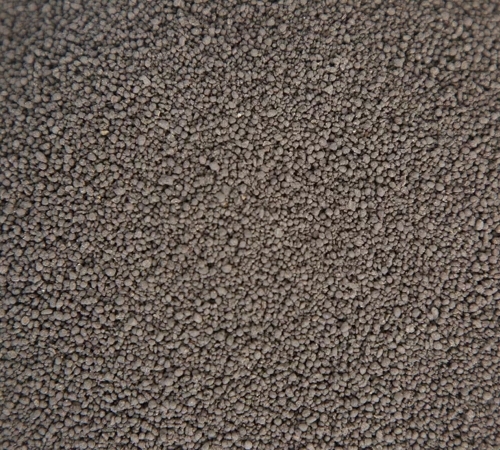
The quality of a welding electrode begins with its core components. Inquire about the supplier's sourcing policies for raw materials. High-quality welding fluxes, a critical component of many electrodes, are produced from premium ores. A transparent manufacturer will be open about their material inputs, which may include excellent-grade dolomite, bauxite, cryolite, silica, and fluorine ore. The manufacturing process is equally important. The melting of these raw materials at extremely high temperatures, often around 2000°C, is essential for creating a homogenous, high-purity flux that delivers superior welding performance. This commitment to premium raw materials and controlled processing is a hallmark of a top-tier supplier.
Beyond material specifications, ask about their testing procedures. Does the factory conduct incoming material analysis? What in-process checks are performed? What is their final inspection and lot-testing protocol? A robust quality control regimen should be an integral part of the production cycle, not an afterthought. This ensures that every product, from standard aws e6013 welding electrodes to specialized consumables, meets the required specifications.
Evaluating Product Range and Technical Expertise
While you may initially be sourcing a specific type of electrode, partnering with a manufacturer that offers a comprehensive product portfolio provides significant long-term advantages. A supplier with a broad range of products demonstrates deep technical expertise and offers you the flexibility to expand your product offerings without needing to vet new suppliers.
A capable partner should offer a complete line of welding materials, including various types of welding rods, solid wires, and flux-cored wires. Their catalog should also include advanced products like specialized welding fluxes for different applications. This diversity indicates a strong research and development capability and a thorough understanding of different welding processes and industry requirements. It allows you to consolidate your purchasing, simplifying logistics and potentially unlocking volume-based pricing.
Furthermore, assess their ability to provide detailed technical support. Can their team answer in-depth questions about material composition, application-specific recommendations, and troubleshooting? A knowledgeable supplier acts as more than just a vendor; they become a technical resource for your business and your customers. This expertise is invaluable when entering new markets or introducing new products. A supplier who also manufactures a wide range of equipment, from a standard arc welding machine to more complex automated systems, often possesses a more holistic understanding of the welding process, which translates into better product development and support.
Analyzing Logistics and International Trade Experience
For an importer, a manufacturer's production capabilities are only one half of the equation. The other half is their ability to reliably and efficiently deliver products to your port of destination. A factory may produce the best electrodes in the world, but if they cannot navigate the complexities of international logistics, they are not a viable partner.
Lead Time and Minimum Order Quantity (MOQ)
Clarity on lead time and MOQ is essential for effective inventory planning. Ask for a standard lead time from order confirmation to shipment. A typical timeframe for a well-organized factory might be around 30 days. This allows you to maintain optimal stock levels without tying up excessive capital. Similarly, understand their MOQ. A reasonable MOQ, such as one ton, provides flexibility for both initial trial orders and regular stocking orders. An excessively high MOQ can be a barrier for small to medium-sized distributors, while a flexible MOQ demonstrates a willingness to build a relationship.
Global Market Experience
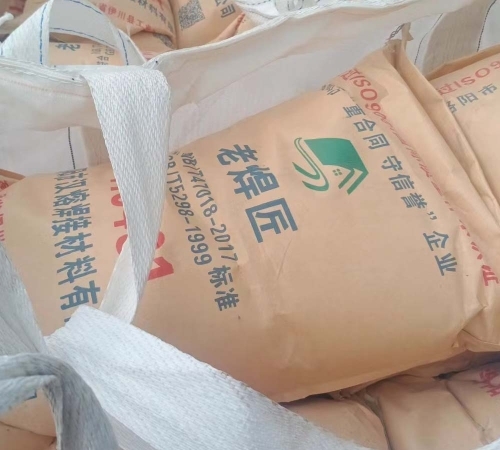
Experience in international shipping is a critical differentiator. An experienced exporter will have a deep understanding of customs documentation, freight forwarding, and country-specific import regulations. Inquire about their primary export markets. A supplier with a proven track record of shipping to diverse regions such as Brazil, Thailand, Australia, and Malaysia demonstrates the capability to handle the logistical and regulatory nuances of global trade. This experience minimizes the risk of costly delays, customs issues, and shipping errors. They should be able to provide clear and accurate shipping quotes and work with reliable freight partners to ensure your cargo arrives safely and on schedule.
Building a Partnership Based on Communication and Support
Finally, look beyond the products and processes to evaluate the human element of the business. The ideal supplier is a long-term partner, not a transactional vendor. This relationship is built on a foundation of clear communication, responsiveness, and mutual trust.
During your initial interactions, assess their communication style. Are their responses prompt, professional, and thorough? Do they provide clear answers to your technical and commercial questions? A responsive sales and support team is a strong indicator of a customer-centric company culture. This is crucial when issues arise, whether it's a question about a technical specification or an update on a shipment's status.
A forward-thinking electrode factory understands that their success is tied to yours. They should be invested in understanding your market, your customers, and your business goals. This partnership approach can lead to collaborative opportunities, such as developing products tailored to your market's specific needs or providing marketing support materials. By choosing a manufacturer that values clear communication and acts as a true partner, you are building a resilient and profitable supply chain for the years to come.