
Choosing a Reliable Welding Flux Exporter | Oldwelders
Navigating the Global Market: How to Choose a Reliable Welding Flux Exporter
For industrial operations and manufacturing facilities globally, the quality of welding fluxes is paramount to achieving strong, durable, and reliable welds. As procurement teams increasingly look to international markets for competitive sourcing, selecting the right global supplier becomes a critical strategic decision. The decision to partner with a specific welding flux exporter profoundly impacts project timelines, quality, and overall cost-efficiency. This guide outlines key considerations for evaluating potential partners, ensuring your choice contributes positively to your operational success.
Understanding Your Welding Flux Needs
Before initiating the search for a welding flux exporter, it is essential to have a clear understanding of your specific requirements. Welding fluxes are not one-size-fits-all; they are formulated for various welding processes, base materials, and environmental conditions. For instance, submerged arc welding (SAW) fluxes differ significantly from those used in shielded metal arc welding (SMAW) or in specialized applications. Consider the types of projects your organization undertakes, the metals being joined, and the desired mechanical properties of the weld. Are you primarily working with carbon steel, stainless steel, or specialized alloys?
Factors such as weld penetration, bead appearance, slag detachability, and resistance to porosity are directly influenced by the flux composition. It is crucial to specify these technical requirements upfront to potential suppliers. A knowledgeable welding flux exporter should be able to guide you through their product range, helping you select the most appropriate flux for your application. Oldwelders offers a comprehensive range of welding fluxes designed to meet diverse industrial demands, alongside other essential welding materials.
Furthermore, consider any industry-specific certifications or standards that your projects must adhere to, such as AWS, EN, or ISO. Ensuring that the flux meets these standards is non-negotiable for critical applications. Documenting these needs meticulously will streamline the selection process and help you quickly identify a welding flux exporter capable of meeting your precise specifications.
Key Qualities of a Reputable Welding Flux Exporter
When evaluating potential international partners, several foundational qualities indicate reliability and expertise. These extend beyond just product specifications and delve into the operational integrity of the supplier.
Certifications and Quality Management Systems
A primary indicator of a manufacturer's commitment to quality is their adherence to international standards. An ISO 9001 certification, for example, demonstrates that a company has implemented a robust quality management system, ensuring consistent product quality and continuous improvement. Oldwelders, as an ISO 9001 certified company, rigorously maintains these standards throughout its production processes, providing assurance regarding the reliability of its welding fluxes and other products. This certification is not merely a formality; it signifies a structured approach to manufacturing excellence, which directly translates to the performance and consistency of the fluxes you receive.
Global Experience and Market Reach
An experienced welding flux exporter should possess a deep understanding of international trade, logistics, and diverse market needs. Their ability to navigate customs regulations, provide appropriate documentation, and understand regional market nuances is invaluable. Oldwelders has established a significant presence in key global markets, including Brazil, Thailand, Australia, and Malaysia. This widespread reach demonstrates an understanding of varied industrial requirements and the capability to serve a global clientele effectively. A supplier with such experience is better equipped to handle the complexities of exporting, ensuring smoother transactions and timely deliveries.
Technical Expertise and Support
Beyond simply supplying products, a reputable exporter should offer technical support and expertise. This includes providing detailed product data sheets, application guidelines, and assistance with troubleshooting. Their technical team should be able to answer complex questions about flux selection, welding parameters, and post-weld properties. This level of support is crucial for optimizing your welding processes and resolving any challenges that may arise, fostering a true partnership rather than a transactional relationship.
Evaluating Production Capabilities and Quality Assurance
The manufacturing infrastructure and quality control processes of a welding flux exporter are critical determinants of product consistency and reliability. A thorough investigation into these areas can prevent costly issues down the line.
Raw Material Sourcing and Processing
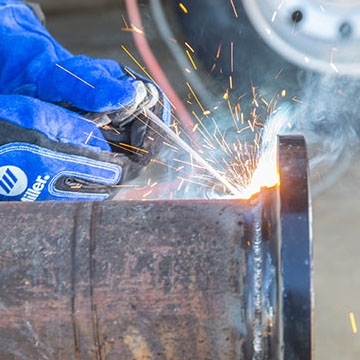
The quality of the final welding flux is inherently linked to the quality of its raw materials. A leading exporter will source excellent raw materials and implement stringent control over their processing. Oldwelders utilizes superior raw materials such as dolomite, bauxite, cryolite, silica, and fluorine ore. These materials are meticulously melted at an extremely high temperature of 2000 °C, a crucial process that ensures the homogeneity and purity of the flux. This high-temperature melting process is vital for achieving the desired chemical composition and physical properties that contribute to superior weld quality and performance, setting a high standard for manufacturing excellence.
Manufacturing Scale and Capacity
The production capacity of a supplier directly impacts their ability to meet your demand consistently and on time. A large-scale facility indicates robust infrastructure and the capability to handle significant orders without compromising quality. Oldwelders operates a state-of-the-art plant covering an area of 1000 square meters. This facility is equipped with six production lines, enabling a substantial daily supply capacity of 100 tons. Such impressive production capabilities ensure that Oldwelders can reliably fulfill large-volume orders, providing peace of mind for procurement teams regarding supply chain stability. Furthermore, the company maintains a minimum order quantity (MOQ) of 1 ton, making its high-quality fluxes accessible for various project scales.
Quality Control and Testing
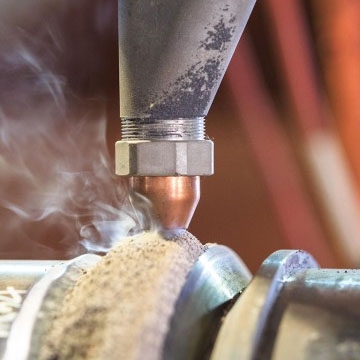
In-house quality control procedures are vital. Inquire about the exporter’s testing protocols, including raw material inspection, in-process checks, and final product analysis. This should encompass chemical analysis, particle size distribution, moisture content, and welding performance tests. A transparent welding flux exporter will readily provide quality certificates and test reports for their products, such as our submerged arc welding flux hj431, demonstrating their commitment to delivering consistent quality that meets specified standards.
Logistics, Lead Times, and Customer Support from Your Welding Flux Exporter
Beyond product quality and production capabilities, the logistical aspects and ongoing customer support are critical for a smooth and efficient procurement process, especially in international trade.
Reliable Lead Times and Delivery
Punctual delivery is essential for maintaining project schedules and avoiding costly delays. A reputable exporter should provide clear and realistic lead times and demonstrate a strong track record of adhering to them. Oldwelders commits to a lead time of 30 days, which is a testament to its efficient production planning and robust logistical network. This reliable delivery schedule allows procurement teams to plan their projects with confidence, knowing that their welding flux supplies will arrive as expected. Discuss shipping methods, transit times, and any potential factors that could impact delivery, such as customs procedures or seasonal variations.
Packaging and International Shipping Expertise
Welding fluxes require careful packaging to prevent moisture absorption and damage during transit. The exporter should use robust, moisture-proof packaging suitable for long-distance international shipping. Furthermore, expertise in international shipping documentation, freight forwarding, and customs clearance is paramount. A robust welding flux exporter will provide comprehensive documentation, including commercial invoices, packing lists, certificates of origin, and any required material safety data sheets (MSDS), ensuring a seamless import process into your country.
After-Sales Support and Communication
The relationship with your supplier should not end once the product has shipped. Effective after-sales support is crucial for addressing any unforeseen issues, providing ongoing technical assistance, and facilitating future orders. Evaluate the exporter's responsiveness to inquiries, their willingness to resolve problems, and their overall communication practices. Clear, consistent, and proactive communication from your welding flux exporter fosters trust and ensures a long-term, productive partnership.
Partnering for Success: Selecting the Ideal Welding Flux Exporter
Choosing the right international supplier for your welding fluxes is a decision that impacts the quality of your finished products, the efficiency of your operations, and your overall project profitability. By prioritizing suppliers who demonstrate strong quality management, robust production capabilities, global logistical expertise, and dedicated customer support, procurement teams can mitigate risks and secure a reliable supply chain.
Oldwelders stands as a prime example of a comprehensive supplier, not only offering high-quality welding fluxes but also a full range of products including welding machine, welding wire, and welding rods. Our commitment to ISO 9001 standards, extensive production capacity of 100 tons per day from six production lines, and a proven track record in markets like Brazil, Thailand, Australia, and Malaysia, underscore our capability to be a trusted global partner. By carefully considering these factors, procurement teams can confidently select a welding flux exporter that aligns with their strategic objectives and contributes to lasting success.