
Calculate Welding Flux Landed Cost with a Top Exporter
Understanding Your Total Investment: A Guide to Calculating Landed Costs from a Reliable Welding Flux Exporter
For B2B buyers in the welding industry, securing high-quality welding fluxes is paramount to operational success. However, the true cost of these essential materials extends far beyond the initial quoted price. Understanding and accurately calculating the landed cost of welding fluxes is a critical skill for import buyers comparing supplier quotes from different export markets. This comprehensive guide will walk you through the various components that contribute to the final landed cost, empowering you to make informed procurement decisions and optimize your total-cost negotiation strategies. As a leading welding flux exporter, Oldwelders is committed to transparency and providing valuable insights to our global partners.
What is Landed Cost and Why It Matters for Welding Flux Imports?
Landed cost refers to the total cost of a product once it has arrived at the buyer's doorstep. For imported goods like welding fluxes, this includes not only the supplier's price but also all associated expenses incurred during the shipping process, customs clearance, and local delivery. Ignoring these additional costs can lead to significant discrepancies between perceived and actual expenses, impacting budgets, profit margins, and overall business competitiveness.
Accurately calculating the landed cost of your welding fluxes allows you to:
- Compare Suppliers Effectively: Evaluate quotes from various welding flux exporters on an apples-to-apples basis, considering all hidden costs.
- Improve Budgeting and Financial Planning: Prevent unexpected expenses and ensure your financial forecasts are realistic.
- Optimize Pricing Strategies: Understand the true cost of goods sold, enabling you to set competitive prices for your own products.
- Identify Cost-Saving Opportunities: Pinpoint areas where logistics, duties, or supplier terms can be negotiated or improved.
- Enhance Supply Chain Efficiency: Gain better control over your entire procurement process, from order placement to final delivery.
Deconstructing the Components of Welding Flux Landed Cost
The landed cost is a sum of multiple individual cost elements. For welding fluxes, these typically include:
Product Cost
This is the base price of the welding fluxes as quoted by the supplier, often expressed as an Ex Works (EXW), Free on Board (FOB), or Cost, Insurance and Freight (CIF) price, depending on the agreed-upon Incoterm. It covers the manufacturing cost, profit margin of the welding flux exporter, and any packaging expenses up to the agreed point of transfer.
Shipping and Freight Costs
These are often the most significant additional costs. They encompass:
- Ocean or Air Freight: The cost to transport the welding fluxes from the origin port/airport to the destination port/airport. This varies based on volume, weight, distance, and current market rates.
- Inland Freight (Origin): Transportation from the welding flux exporter's factory to the departure port or airport.
- Terminal Handling Charges (THC): Fees charged by port authorities for handling containers at both origin and destination terminals.
- Fuel Surcharges: Variable charges added by carriers to account for fluctuating fuel prices.
Customs Duties and Taxes
These are mandatory charges levied by the importing country's government. They can include:
- Import Duty/Tariff: A tax on imported goods, calculated as a percentage of the product's value (or sometimes per unit). Rates vary widely by product and country of origin/destination. Buyers in countries like Brazil, Thailand, Australia, and Malaysia, which are key target markets for Oldwelders, must be particularly diligent in understanding their specific import duty structures.
- Value Added Tax (VAT) / Goods and Services Tax (GST): A consumption tax applied at various stages of the supply chain, often paid upon import and recoverable for businesses.
- Other Taxes/Fees: Specific environmental taxes, anti-dumping duties, or other levies that may apply to certain imports.
Insurance
Cargo insurance protects your investment against loss or damage during transit. While optional, it is highly recommended, especially for valuable shipments of specialized materials like welding fluxes. The cost typically depends on the value of the goods and the level of coverage.
Documentation and Brokerage Fees
- Customs Broker Fees: Professional fees paid to a customs broker for preparing and submitting necessary documentation, ensuring compliance with import regulations, and facilitating clearance.
- Documentation Fees: Costs associated with preparing export and import documents such as bills of lading, certificates of origin, commercial invoices, and packing lists.
Local Transportation (Destination)
Once the welding fluxes clear customs at the destination port or airport, they need to be transported to your warehouse or facility. This includes:
- Inland Freight (Destination): Trucking or rail costs from the port/airport to your final delivery point.
- Demurrage/Detention: Charges incurred if containers are not cleared and returned to the shipping line within a specified free period.
Other Potential Costs
- Quality Inspection Fees: If you opt for third-party inspections at the origin or destination.
- Storage Fees: If goods require temporary storage at the port or a customs warehouse.
- Currency Exchange Fees: Costs associated with converting currency for payment to the welding flux exporter and other international service providers.
Optimizing Your Welding Flux Import Landed Costs
Calculating landed cost is just the first step. The real value comes from using this information to optimize your procurement process and reduce overall expenses. Here's how:
Strategic Supplier Selection
Choosing the right welding flux exporter is foundational to cost optimization. A reputable supplier offers not just competitive product pricing but also reliability that minimizes unexpected costs. Oldwelders, for instance, operates under ISO 9001 certification, ensuring consistent quality that reduces the risk of costly rejections or rework. Our plant covers an area of 1000 square meters and has six production lines, which can supply 100 tons a day, demonstrating significant capacity to meet diverse demands. We also maintain a flexible Minimum Order Quantity (MOQ) of just 1 ton, allowing buyers to manage inventory efficiently without overstocking. With a typical lead time of 30 days, we enable predictable planning for our international clients.
Efficient Logistics and Incoterms
- Choose the Right Incoterm: Incoterms dictate who is responsible for what costs and risks during shipping. Understanding terms like FOB, CIF, or DDP (Delivered Duty Paid) can significantly impact your landed cost. For instance, DDP shifts most responsibilities to the seller, simplifying your import process but potentially increasing the product price.
- Consolidate Shipments: Combining smaller orders into larger, less frequent shipments can reduce per-unit freight and documentation costs.
- Negotiate Freight Rates: If you have consistent volume, leverage this to negotiate better rates with freight forwarders.
- Optimize Packaging: Efficient packaging can reduce volumetric weight, leading to lower freight charges.
Duty Management
- Understand HS Codes: Ensure the Harmonized System (HS) code for your welding fluxes is correctly identified to avoid overpaying or underpaying duties.
- Leverage Free Trade Agreements (FTAs): If your country has an FTA with the exporting country, you may qualify for reduced or zero duties. Always check for applicable certificates of origin.
- Duty Drawback Programs: If you import welding fluxes and then export a finished product that incorporates them, you might be eligible for a refund of duties paid on the imported materials.
Inventory Management
Balancing inventory levels is crucial. While larger orders often yield lower per-unit landed costs, excessive inventory incurs storage costs, insurance, and the risk of obsolescence. A well-managed inventory system, supported by reliable lead times from your welding materials supplier, can minimize these carrying costs.
Why Oldwelders Excels as Your Trusted Welding Flux Exporter
For businesses seeking a dependable partner in the global welding market, Oldwelders stands out. Our commitment to quality, efficiency, and customer satisfaction makes us an ideal submerged arc welding flux hj431 and general welding flux exporter.
- Unwavering Quality Assurance: Our ISO 9001 certification underscores our dedication to stringent quality control across all production processes. We utilize excellent raw materials such as dolomite, bauxite, cryolite, silica, and fluorine ore, which are melted at 2000 °C to produce high-performance welding fluxes.
- Robust Production Capacity: With a 1000 square meter plant housing six production lines, we have the capability to supply up to 100 tons of welding flux per day. This ensures consistent supply, even for large-scale demands, reducing the risk of costly production delays for our clients.
- Flexible and Efficient Supply Chain: Our 1-ton MOQ caters to diverse business needs, from smaller specialized projects to bulk orders. We also ensure a reliable 30-day lead time for most orders, facilitating predictable inventory planning for our international partners.
- Global Reach and Experience: We proudly serve target markets including Brazil, Thailand, Australia, and Malaysia, understanding the unique logistical and regulatory landscapes of these regions.
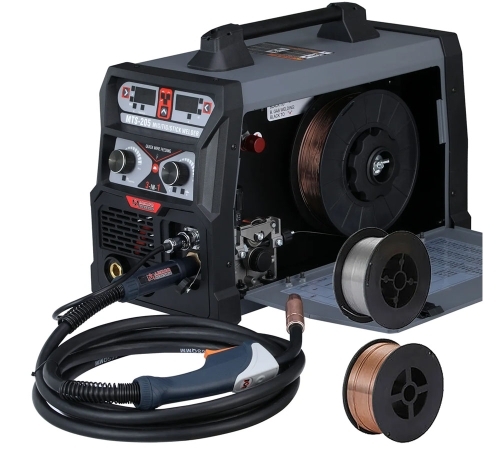
- Comprehensive Welding Solutions: Beyond fluxes, Oldwelders offers a complete range of welding products, including various welding machines, welding electrodes, solid wire, and flux-cored wire, making us a single-source provider for all your welding needs.
Conclusion
Calculating the landed cost is an indispensable practice for any B2B buyer of imported welding fluxes. By meticulously accounting for product cost, shipping, duties, insurance, and other associated fees, businesses can achieve true cost transparency, optimize their procurement strategies, and gain a competitive edge. Partnering with a knowledgeable and reliable welding flux exporter like Oldwelders further streamlines this process, ensuring you receive not only superior products but also exceptional value and service. Our transparent operations, extensive capacity, and commitment to quality make us the ideal choice for your global welding material requirements.