
How a Submerged Arc Welder Controls Heat Input
How a Submerged Arc Welder Precisely Controls Heat Input for Quality Welds
For welding engineers and production supervisors, understanding how a welding machine, specifically a Submerged Arc Welder, controls heat input is fundamental to achieving consistent, high-quality welds. Heat input directly influences the metallurgical properties, mechanical strength, and overall integrity of the welded joint. Excessive heat can lead to grain coarsening, increased distortion, and reduced toughness, while insufficient heat can result in lack of fusion or inadequate penetration. Oldwelders, an ISO 9001 certified manufacturer, understands these critical parameters and designs equipment that empowers precise control over the welding process.
The Fundamentals of Heat Input in Submerged Arc Welding
Defining Heat Input and Its Impact
Heat input, often expressed in Joules per inch or Joules per millimeter, quantifies the amount of energy transferred to the workpiece during welding. In Submerged Arc Welding (SAW), a robust process known for its high deposition rates and deep penetration, controlling this energy transfer is paramount. The arc operates beneath a blanket of granular welding flux, shielding the molten pool from atmospheric contamination and contributing to the thermal efficiency of the process. The total heat input is a complex interplay of electrical parameters and travel speed, directly affecting the weld bead geometry, penetration depth, and the size of the heat-affected zone (HAZ).
The metallurgical consequences of uncontrolled heat input can be severe. For instance, in certain steels, an overly high heat input can cause significant grain growth in the HAZ, leading to embrittlement and a reduction in impact strength. Conversely, a very low heat input might not provide sufficient melting, resulting in incomplete fusion or poor bead shape. Achieving the right balance is crucial for meeting stringent quality standards and ensuring the long-term performance of welded components.
Why Precise Control is Crucial
Precise control over heat input in SAW is not merely a matter of efficiency; it is a cornerstone of weld quality and structural integrity. Industries ranging from shipbuilding and heavy fabrication to pressure vessel manufacturing rely on the predictable outcomes of well-controlled SAW processes. Factors such as material thickness, joint design, and desired mechanical properties dictate the optimal heat input range. Deviations from this range can lead to costly rework, material waste, and potential structural failures. Modern automatic welding machine systems provide the necessary precision for these demanding applications.
Furthermore, consistent heat input ensures batch-to-batch repeatability, which is vital for high-volume production. When welding procedures are qualified, they define a narrow window for acceptable heat input to guarantee specific mechanical properties. Adhering to these parameters requires sophisticated control over the welding materials and the Submerged Arc Welder itself.
Key Parameters Influencing Heat Input
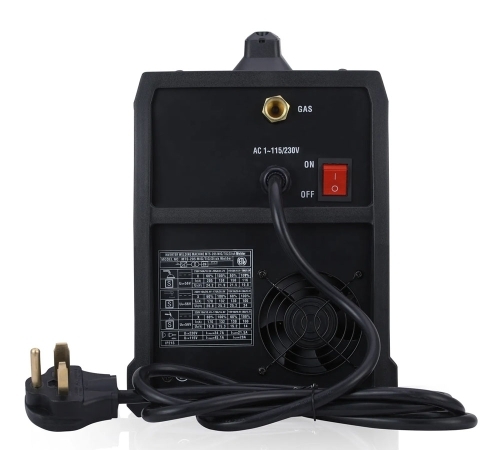
Several primary parameters directly influence the heat input delivered by a Submerged Arc Welder. Understanding and meticulously controlling each of these is essential for process optimization.
Welding Current (Amperage)
Welding current is arguably the most significant factor affecting heat input. Higher current generally leads to greater heat generation, resulting in deeper penetration and increased melt-off rate of the electrode. The relationship is largely proportional: doubling the current roughly doubles the heat generated, assuming other parameters remain constant. In SAW, currents can range from a few hundred amperes to over a thousand, making this parameter a powerful lever for controlling weld characteristics.
However, simply increasing current isn't always the answer. Excessive current can lead to overheating, arc instability, and an overly wide, shallow bead if not balanced with other factors. The choice of current is also influenced by the electrode diameter, as larger electrodes can carry higher currents without overheating, allowing for increased deposition rates.
Arc Voltage
Arc voltage primarily affects the width and contour of the weld bead, as well as the amount of flux consumed. Higher voltage results in a wider, flatter bead and greater flux consumption, while lower voltage produces a narrower, more convex bead. While current governs the heat generated, voltage influences how that heat is distributed within the arc and molten pool. A higher voltage also tends to increase the arc length, which can lead to a softer, more stable arc.
The impact of voltage on penetration is indirect. While higher voltage might slightly increase penetration by widening the arc and allowing more heat to spread, its primary role is in bead shape control. Too high a voltage can lead to excessive spatter and difficulty in controlling the molten pool, while too low a voltage can result in an unstable arc and lack of fusion.
Travel Speed
Travel speed is inversely proportional to heat input. The slower the travel speed, the more time the arc has to deposit energy into a given length of weld, thus increasing the heat input. Conversely, a faster travel speed reduces the heat input per unit length. This parameter is crucial for managing the overall thermal cycle and preventing excessive heat accumulation in the workpiece.
Adjusting travel speed allows fine-tuning of penetration and bead reinforcement. A slower speed generally leads to deeper penetration and a larger weld bead, while a faster speed can reduce penetration and produce a smaller bead. However, extremely fast speeds can lead to undercut, poor bead appearance, and insufficient fusion, particularly in thicker materials.
Electrode Stick-Out (ESO) / Contact Tip to Work Distance (CTWD)
Electrode Stick-Out, or the distance from the contact tip to the end of the electrode, significantly impacts the electrical resistance pre-heating of the electrode. A longer ESO increases the resistance heating of the electrode wire before it enters the arc, effectively adding to the overall heat input at the weld pool. This pre-heating can increase the melt-off rate of the electrode, leading to higher deposition rates without necessarily increasing the arc current.
Conversely, a shorter ESO reduces this resistance pre-heating, which might necessitate higher welding current to achieve the same deposition rate. Optimizing ESO is a subtle but powerful way to fine-tune heat input and deposition efficiency, especially in high-speed or high-deposition applications.
Other Factors: Electrode Diameter, Polarity, Number of Electrodes
- Electrode Diameter: Larger diameter electrodes typically operate at higher currents and thus contribute to higher heat input. They are often chosen for heavy fabrication where deep penetration and high deposition are desired.
- Polarity: In SAW, DC (Direct Current) electrode positive (DCEP) generally produces deeper penetration and a more stable arc, contributing to higher heat input at the workpiece. DC electrode negative (DCEN) typically results in shallower penetration but higher deposition rates, as more heat is concentrated at the electrode. AC (Alternating Current) is often used in multi-wire systems to mitigate arc blow and balance penetration and deposition.
- Number of Electrodes: Multi-wire SAW systems, employing tandem or twin arcs, can dramatically increase the total heat input and deposition rates. Each additional electrode contributes its own heat source, allowing for extremely high productivity in thick-section welding.
Advanced Control Mechanisms in the Submerged Arc Welder
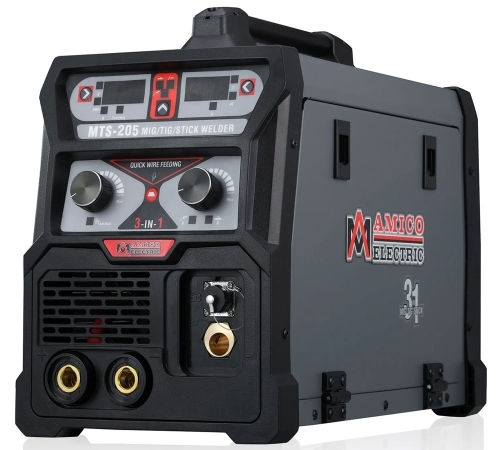
Modern Submerged Arc Welder units incorporate sophisticated technologies to ensure precise control over heat input, enabling manufacturers to meet the stringent demands of various industries. These advancements go beyond simple parameter adjustments, offering stability and repeatability.
Power Source Technology and Stability
The heart of any Submerged Arc Welder is its power source. Advanced inverter-based power sources offer superior arc stability and dynamic control compared to older transformer-rectifier units. They can precisely maintain voltage and current settings even under fluctuating load conditions, which is crucial for consistent heat input. These power sources often feature digital controls, allowing for precise setting and monitoring of parameters, reducing the margin for human error. Oldwelders' commitment to quality ensures that our arc welding machine offerings integrate reliable and stable power source technologies.
Automation and Feedback Systems
Automation plays a vital role in maintaining consistent heat input in SAW. Robotic or automated gantry systems ensure uniform travel speed and consistent electrode stick-out. Integrated feedback loops continuously monitor actual welding parameters (current, voltage, speed) and make real-time adjustments to keep them within specified tolerances. Some systems even incorporate vision systems or sensors to track joint position and adjust parameters accordingly, further enhancing precision and reducing the need for manual intervention. This level of automation is indispensable for high-integrity applications.
The Role of Welding Fluxes in Heat Management
While often overlooked, the welding fluxes used in SAW play a significant role in heat management. The composition of the flux influences arc stability, heat transfer efficiency, and the chemical composition of the weld metal. Different flux types (e.g., agglomerated, fused) have varying thermal properties that affect how heat is distributed and retained within the weld pool. For example, some fluxes are designed to produce a more concentrated arc, leading to deeper penetration, while others promote a wider, shallower bead. Our commitment to quality extends to our welding fluxes, produced from excellent dolomite, bauxite, cryolite, silica, fluorine ore, which are melted at 2000 °C in our 1000 square meter plant. This facility has six production lines, capable of supplying 100 tons of flux per day, ensuring consistent quality and availability, such as our submerged arc welding flux hj431.
Optimizing Heat Input for Specific Applications
The ability to precisely control heat input allows welding engineers to tailor the SAW process to a vast array of applications, each with unique requirements for mechanical properties and structural integrity.
Controlling Penetration and Bead Geometry
By manipulating current, voltage, and travel speed, operators can achieve the desired penetration profile—from shallow cosmetic passes to deep, full-penetration welds in thick plates. A deeper penetration is typically achieved with higher current and slower travel speed, often combined with DCEP polarity. Bead width and reinforcement are primarily controlled by voltage, with higher voltages yielding wider, flatter beads. This precise control is critical for multi-pass welding, where each pass must fuse correctly with the previous one without excessive heat build-up.
Minimizing Heat-Affected Zone (HAZ) and Distortion
Minimizing the HAZ is crucial for materials sensitive to thermal cycles, such as high-strength low-alloy steels. A smaller HAZ typically retains more of the base metal's original properties. This is achieved by optimizing heat input to be just sufficient for fusion, often involving faster travel speeds and optimized current/voltage combinations. Lower heat input also reduces overall thermal expansion and contraction, thereby minimizing distortion and residual stresses, which are critical considerations for large fabrications.
Achieving Desired Mechanical Properties
The mechanical properties of the weld metal and HAZ—such as tensile strength, yield strength, and toughness—are highly dependent on the thermal cycle experienced during welding. Controlling heat input allows for precise management of cooling rates, which in turn influences microstructure. For instance, in some materials, a controlled cooling rate (often achieved with specific heat input settings) can result in a finer grain structure and improved toughness. Oldwelders supports clients across diverse target markets, including Brazil, Thailand, Australia, and Malaysia, by providing solutions that help achieve these specific metallurgical outcomes.
Partnering with a Reliable Supplier for Submerged Arc Welder Solutions
Achieving optimal weld quality and process efficiency in Submerged Arc Welding hinges on the precise control of heat input. This requires not only a deep understanding of welding metallurgy but also access to reliable, high-performance equipment and quality welding consumables. Oldwelders is dedicated to providing comprehensive solutions, including welding machines, welding wires, welding rods, and welding fluxes, all designed to meet the rigorous demands of industrial applications.
Our commitment to quality, backed by ISO 9001 certification, ensures that our products deliver consistent performance. We maintain a flexible production schedule, with our plant capable of supplying 100 tons of flux per day, allowing us to offer a dependable 30-day lead time for orders starting from 1 ton. By partnering with Oldwelders, you gain access to expert knowledge and robust products that empower you to precisely control your welding processes, optimize heat input, and consistently produce superior welds, regardless of your target market.