
How Does an Electroslag Welder Join Thick Plates?
Understanding the Electroslag Welder for Joining Thick Plates
For industries engaged in heavy fabrication, the challenge of joining thick metal plates efficiently and reliably is paramount. Traditional welding methods often struggle with the heat input, distortion, and multiple passes required for substantial material thicknesses. The Electroslag Welder (ESW) emerges as a transformative solution, offering a unique approach to create robust, single-pass welds in sections ranging from 25 mm to over 300 mm thick. This article delves into the intricate mechanics of how an Electroslag Welder achieves such impressive results, making it an indispensable tool in sectors like shipbuilding, heavy machinery manufacturing, and structural steel construction.
At its core, Electroslag Welding is an arc-less process that relies on a molten slag bath to generate and sustain the necessary heat for fusion. Unlike conventional arc welding, where an electric arc melts the electrode and base metal, ESW uses the electrical resistance of the molten slag to melt the electrode wire and the edges of the workpieces. This fundamental difference allows for a high deposition rate and deep penetration, ideal for the demanding requirements of thick plate welding.
Oldwelders, with its comprehensive range of welding machine solutions, understands the critical need for advanced welding technologies. Our commitment to quality is reflected in our ISO 9001 certification, ensuring that the equipment and welding materials we provide meet stringent international standards for performance and reliability.
The Fundamental Principle of Electroslag Welding
The process of Electroslag Welding begins with an initial arc struck between the electrode wire and a starting block, or directly between the wire and the base metal. This arc melts a small amount of flux, creating a molten slag pool. Once a sufficient amount of molten slag is formed, the arc is extinguished. From this point forward, the electrical current passes through the molten slag, which acts as a resistive heating element. The resistance of the slag to the flow of electricity generates intense heat, typically reaching temperatures around 1800-2000 °C.
This superheated slag then melts the continuously fed electrode wire(s) and the edges of the thick plates being joined. As the molten metal from the electrode and base material accumulates, it forms a weld pool beneath the slag. The molten slag floats on top of the molten metal, protecting it from atmospheric contamination and refining the weld metal by absorbing impurities. The entire weld pool and slag bath are contained by water-cooled copper shoes or dams, which move vertically upwards as the weld progresses. These shoes prevent the molten material from flowing out and also help to solidify the weld metal from the bottom upwards.
The key to ESW's effectiveness for thick plates lies in its continuous, single-pass nature. Because the entire thickness of the joint is melted and solidified simultaneously, it eliminates the need for multiple passes and the associated interpass cleaning and re-heating. This results in significantly faster welding times and reduced distortion compared to multi-pass arc welding methods for similar thicknesses. Furthermore, the slow cooling rate inherent in the process allows for a coarse grain structure, which can be beneficial in certain applications but often requires post-weld heat treatment to refine the microstructure and improve mechanical properties.

Key Components and Setup of an ESW System
An efficient Electroslag Welder system comprises several critical components that work in concert to achieve high-quality, thick-plate welds. Understanding these components is essential for appreciating the precision and control required for the process:
Power Source
ESW typically utilizes a high-current, constant-voltage (CV) power source. The current can range from 300 A to over 1000 A, depending on the plate thickness and the number of electrode wires used. The power source must be robust enough to maintain a stable current through the resistive slag bath, ensuring consistent heat generation and melt rates.
Wire Feeder
One or more electrode wire feeders supply the welding wire continuously into the slag bath. The feed rate is crucial for controlling the deposition rate and maintaining the appropriate balance between melting the electrode and the base metal. For very thick plates, multiple wires or even strip electrodes can be used to increase the deposition area and fill rate.
Welding Torch and Guide Tube
The welding torch guides the electrode wire into the molten slag. A guide tube or nozzle ensures precise positioning of the wire. For automatic Electroslag Welder operations, the torch assembly is typically mounted on a mechanized carriage that moves vertically upwards as the weld progresses.
Water-Cooled Copper Shoes
These are perhaps the most distinctive components of an ESW system. The copper shoes, often referred to as dams or molds, are positioned on either side of the joint gap. They are water-cooled to prevent them from melting due to the intense heat and allow the molten weld metal to solidify against them. As the weld progresses vertically, the shoes incrementally move upwards, defining the shape of the weld bead.
Flux Delivery System
Granular welding flux is fed into the joint gap, either manually or via an automated system, to initiate the slag bath and replenish it as needed. The quality of the flux is paramount. Oldwelders takes pride in its welding fluxes, which are manufactured from excellent raw materials such as dolomite, bauxite, cryolite, silica, and fluorine ore, melted at 2000 °C to ensure optimal performance and metallurgical properties.
Control System
A sophisticated control system monitors and regulates various parameters, including current, voltage, wire feed speed, and the vertical travel speed of the welding head and copper shoes. Precise control is vital for producing consistent and defect-free welds.
Advantages and Limitations for Heavy Fabrication
The Electroslag Welder offers significant advantages that make it highly suitable for specific heavy fabrication applications, but it also comes with certain limitations that must be considered.
Key Advantages:
- High Deposition Rates: ESW boasts exceptionally high deposition rates, far exceeding those of conventional arc welding processes. This translates directly into reduced welding time for thick sections.
- Single-Pass Welding: Its ability to weld full thickness in a single pass minimizes distortion and residual stresses compared to multi-pass techniques.
- Deep Penetration: The process inherently provides deep and consistent penetration, ensuring full fusion across the entire joint thickness.
- Minimal Joint Preparation: For many applications, simple square butt joints or minimal beveling is sufficient, reducing preparation time and costs.
- Reduced Consumable Usage: While flux is used, the single-pass nature often means less overall consumable waste compared to numerous passes with other methods.
- Suitable for Very Thick Plates: ESW excels in joining plates from 25 mm up to several hundreds of millimeters thick, where other methods become impractical or excessively time-consuming.
Limitations:
- Limited Positional Capability: ESW is primarily restricted to vertical-up welding. This limitation dictates the orientation of the workpieces during welding.
- Coarse Grain Structure: The slow cooling rate inherent in the process can lead to a coarse grain structure in the weld metal and heat-affected zone (HAZ), which may result in lower toughness. Post-weld heat treatment (PWHT) is often required to refine the microstructure and improve mechanical properties.
- Setup Time: While welding is fast, initial setup and fixturing of the water-cooled shoes can be time-consuming.
- High Heat Input: The high heat input can lead to larger HAZs and potential for grain growth, requiring careful process control and potentially PWHT.
- Not Suitable for Thin Materials: ESW is not economical or practical for joining thin materials due to the nature of the slag bath and shoe containment.
- Risk of Defects: If not properly controlled, defects such as hot cracking, porosity, and incomplete fusion can occur.
Applications and Industry Use Cases
Given its unique capabilities, the Electroslag Welder finds its primary applications in industries that regularly deal with massive steel sections and require high productivity. These include:
- Shipbuilding: For joining thick hull plates, bulkheads, and other large structural components. The efficiency of ESW significantly speeds up assembly processes.
- Heavy Machinery Manufacturing: Used in the production of large excavators, cranes, presses, and other heavy equipment where robust, thick-section welds are critical for structural integrity.
- Bridge Construction: For welding girders, columns, and other load-bearing elements in large bridge structures.
- Pressure Vessel and Boiler Fabrication: While requiring careful control and often PWHT, ESW can be used for thick-walled pressure vessels where high deposition rates are advantageous.
- Structural Steel Fabrication: For joining heavy beams and columns in high-rise buildings and other large civil engineering projects.
- Power Generation: In the fabrication of components for power plants, including turbine casings and generator frames.
Oldwelders serves a global market, providing advanced welding solutions to partners in diverse regions including Brazil, Thailand, Australia, and Malaysia. Our experience across these markets allows us to understand the varied demands of heavy fabrication and offer tailored advice on the optimal automatic welding machine technologies, including those suitable for Electroslag Welding. We also offer a range of specialized special welding machine options to meet unique project requirements.
Oldwelders' Commitment to Quality in Welding Solutions
At Oldwelders, we understand that selecting the right welding technology is a critical decision that impacts productivity, quality, and project timelines. Our expertise extends beyond manufacturing; we are partners in ensuring your fabrication success. When considering an Electroslag Welder or other heavy-duty welding equipment, our team provides comprehensive support, from initial consultation to after-sales service.
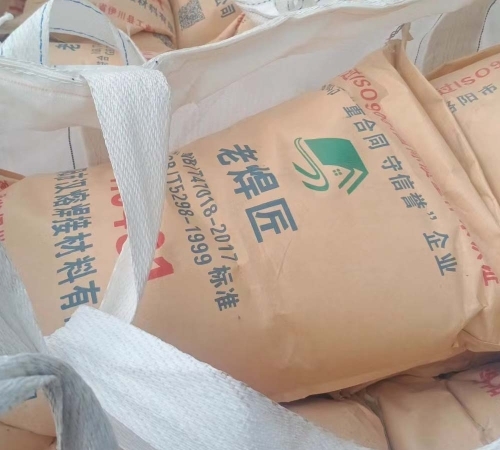
Our expansive plant covers an area of 1000 square meters and is equipped with six production lines. This robust infrastructure allows us to maintain a daily production capacity of 100 tons of various welding products, from solid wire to specialized submerged arc welding flux HJ431. This capacity ensures that even large-scale orders, with minimum order quantities as low as 1 ton, can be fulfilled efficiently, supporting your project schedules with reliable supply.
We are dedicated to providing welding solutions that meet the highest standards of performance and durability. Whether your project demands the high deposition rates of an Electroslag Welder for massive structural components or the versatility of a mig-mag-tig welding machine for complex fabrications, Oldwelders is your trusted partner. Our knowledgeable team is ready to assist you in selecting the optimal equipment and consumables to achieve superior results in your heavy fabrication endeavors.