
Flux Screening: When Reclaimed Flux Fails QA
Understanding When Reclaimed Flux Fails Quality Assurance Screening
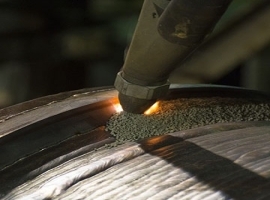
In high-volume submerged arc welding (SAW) operations, the recovery and reuse of unfused welding flux is a standard practice for controlling costs and minimizing waste. However, this process is not without risks. Each time flux is cycled, its physical and chemical properties can change, potentially compromising weld integrity. A robust quality assurance program centered on effective flux screening is essential to determine the point at which reclaimed flux is no longer viable. This guide provides QA managers and welding consumable buyers with a framework for identifying the key failure metrics and establishing clear acceptance limits.
Understanding the lifecycle of welding flux is critical. As an ISO 9001 certified manufacturer, we recognize that quality begins with the raw materials. Our own welding fluxes are produced from carefully selected ores like dolomite, bauxite, and cryolite, which are melted at 2000 °C to ensure purity and consistent performance. When you implement a recovery system, you are introducing variables that must be managed with the same level of diligence. This article outlines the specific failure conditions to monitor during the flux screening process.
The Financial and Operational Case for Flux Recovery
Before delving into failure analysis, it's important to acknowledge why flux recovery is so prevalent in industries from shipbuilding to pressure vessel fabrication. The benefits, when managed correctly, are significant and extend beyond simple cost savings.
The primary driver is economic. In SAW, a substantial portion of the flux laid down on the weld joint does not melt. This unfused flux, which can be 50% or more of the total volume deployed, represents a significant material cost. Recovering it for reuse directly reduces the purchasing volume of new flux, leading to substantial savings on large-scale projects. For our clients in markets like Brazil and Thailand, where large infrastructure and manufacturing projects are common, these savings can be a major competitive advantage.
Operationally, a well-managed system ensures a more consistent supply of material for automated welding processes. Environmentally, it reduces the volume of industrial waste sent to landfills. However, these benefits are entirely dependent on the quality of the reclaimed flux. The moment the recycled material introduces weld defects, the cost of rework, repairs, and potential structural failure far outweighs any savings from material reuse. This is why a systematic approach to quality control is non-negotiable.
Key Failure Metrics in Flux Screening and QA
A comprehensive flux screening program evaluates reclaimed flux against several key metrics. Failure in any one of these areas can be grounds for rejecting a batch. The goal is to catch deviations before they lead to costly weld defects like porosity, slag inclusions, or poor bead appearance.
Contamination: Identifying Unacceptable Foreign Materials
Contamination is the most common and easily identifiable failure mode. During and after the welding process, flux is exposed to numerous contaminants on the workshop floor.
- Slag: The most prevalent contaminant is fused slag from the previous weld. While recovery systems are designed to separate it, small particles can remain. Slag inclusions weaken the weld metal and act as stress concentration points. Visual inspection is the first line of defense, but fine slag particles can be difficult to spot.
- Mill Scale and Rust: Flakes of mill scale from the base material or rust can be picked up by the vacuum recovery system. These oxides introduce excess oxygen into the weld pool, leading to porosity and a brittle weld structure.
- Metal Fines: Small metallic particles from grinding, cutting, or the welding wire itself can contaminate the flux. These can alter the weld metal chemistry and disrupt arc stability.
- Oil, Grease, and Moisture: Hydrocarbons from machinery and moisture absorbed from the atmosphere are significant threats. When heated in the arc, they decompose and release hydrogen, which is a primary cause of hydrogen-induced cracking, especially in high-strength steels. Flux contaminated with any visible oil or grease should be rejected immediately. Moisture-contaminated flux must be re-baked according to manufacturer specifications, but this adds cost and complexity.
Acceptance Limit: The tolerance for solid contaminants should be near zero. A small, defined percentage may be allowable depending on the application's criticality, but even a few slag or mill scale particles can cause a rejectable defect. Any presence of oil or moisture necessitates immediate corrective action (re-baking) or disposal.
Particle Size Distribution (PSD) Degradation
Welding flux is engineered with a specific range of particle sizes to ensure proper flow, feeding through equipment, and formation of a protective blanket over the weld pool. During handling and recovery, the mechanical action of vacuum systems and general abrasion causes flux granules to break down, creating an excess of "fines" or dust.
This degradation of the PSD is a critical failure point. Excessive fines can lead to several problems:
- Poor Feeding: Flux dust can clog delivery hoses and nozzles in automated systems, leading to inconsistent flux deposition and production stoppages.
- Arc Instability: An overabundance of fine particles can cause an erratic arc, leading to inconsistent penetration and an uneven weld bead.
- Increased Slag Entrapment: The protective gas shield created by the burning flux can be compromised, increasing the risk of atmospheric contamination and porosity.
- Poor Bead Appearance: Welds made with dusty flux often have a rough, uneven surface finish, which may be unacceptable for certain applications.
A sieve analysis is the standard method for testing PSD. A sample of the reclaimed flux is passed through a series of stacked screens of decreasing mesh size. By weighing the amount of flux retained on each screen, you can determine the percentage of fines. Many industry specifications and welding codes limit the amount of fines (e.g., particles passing a 100-mesh screen) to 15-20% of the total weight. Batches exceeding this limit should be discarded or blended with new flux in carefully controlled ratios.
Chemical Composition Drift and Alloy Pick-up
This is a more subtle but equally critical failure mode. The intense heat of the welding arc can cause volatile elements within the flux to be consumed. Over multiple cycles, this can alter the flux's fundamental characteristics. For example, a decrease in deoxidizers like silicon and manganese can reduce the flux's ability to clean the weld pool, increasing the risk of porosity.
Furthermore, the flux can become enriched with elements from the welding wire and base plate. When welding alloy steels, elements like chromium, molybdenum, or nickel can be picked up by the unfused flux. If this "alloy-enriched" flux is then used on a standard carbon steel application, it can inadvertently alter the weld metal's chemistry and mechanical properties, leading to unintended and potentially dangerous results.
Monitoring for chemical drift typically requires laboratory analysis, such as X-Ray Fluorescence (XRF), which is not always practical for routine in-house checks. Therefore, the best practice is to segregate reclaimed flux by the type of material it was used on. Never mix flux used for stainless steel with flux used for carbon steel. If there is any doubt about cross-contamination or the number of times a batch has been recycled, it is safest to replace it with new, certified welding materials.
Establishing Your In-House Acceptance Criteria
Creating a formal procedure for flux screening is crucial for consistency. Your program should include a clear, documented process that outlines testing frequency, methods, and pass/fail criteria.
- Batch Control and Traceability: Treat each container of reclaimed flux as a unique batch. Label it with the date of recovery, the welding station it came from, and the number of times it has been cycled. This traceability is key to identifying the source of any problems.
- Visual Inspection: Every batch should undergo a simple visual inspection. Spread a sample on a clean, light-colored surface and look for discoloration, slag particles, metallic specks, or any other obvious foreign material.
- Sieve Analysis: Perform a sieve analysis on a representative sample from each batch to check the particle size distribution. Establish a clear maximum percentage for fines based on your equipment and application requirements.
- Moisture Test: If there is any suspicion of moisture exposure, a simple "crackle test" can be performed by placing a small amount of flux on a hot steel plate. Any audible crackling indicates the presence of moisture, and the batch must be re-baked.
- Blending Strategy: Many companies adopt a blending strategy, mixing reclaimed flux with new flux at a specified ratio (e.g., 1:1 or 2:1 new-to-reclaimed). This helps to refresh the chemical composition and balance the particle size. However, this strategy still requires rigorous flux screening of the reclaimed portion before it is added to the mix.
When to Replace vs. Recondition: A Cost-Benefit Analysis
The decision to discard a batch of reclaimed flux comes down to a risk and cost analysis. While re-baking can remove moisture and blending can correct PSD, neither can fix chemical contamination or significant slag content. The labor and energy costs associated with reconditioning must be weighed against the price of new flux.
More importantly, what is the cost of a failed weld? For critical applications in pressure vessel, structural steel, or pipeline fabrication, the risk associated with using marginal flux is simply too high. When weld integrity cannot be compromised, starting with a consistent, high-purity product is the only reliable choice.
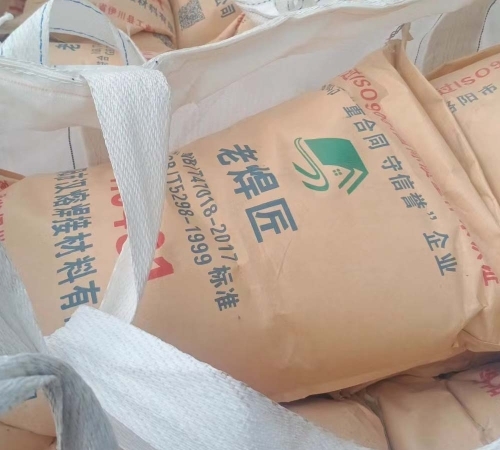
As an ISO 9001 certified manufacturer with a production capacity of 100 tons per day, Oldwelders provides a reliable supply chain for businesses that prioritize quality. We serve demanding clients in Australia, Malaysia, and across the globe who understand that consistent material input is the foundation of predictable, high-quality output. When your flux screening program indicates that a batch of reclaimed flux has reached the end of its useful life, investing in a new, certified product like our submerged arc welding flux hj431 is not just a material purchase—it's an investment in quality assurance and risk mitigation.
In conclusion, while flux recovery is an effective cost-saving measure, its success hinges on a disciplined QA program. By systematically monitoring for contamination, particle size degradation, and chemical changes, you can confidently decide when reclaimed flux is fit for use and, more importantly, when it's time to replace it to protect the integrity of your welds.