
Calculate Carbon Steel Electrode Landed Cost
Understanding How to Calculate Carbon Steel Electrode Landed Cost for Global Procurement
For businesses involved in large-scale metal fabrication, construction, or manufacturing, the procurement of welding consumables is a critical operational component. When sourcing from international markets, simply comparing the ex-works price of a product like a welding electrode is insufficient. A comprehensive understanding of the total landed cost is essential for accurate budgeting, competitive pricing, and ultimately, sustainable profitability. This guide will walk you through the intricate process of calculating the landed cost for your welding consumables, particularly focusing on the various factors that contribute to the final price.
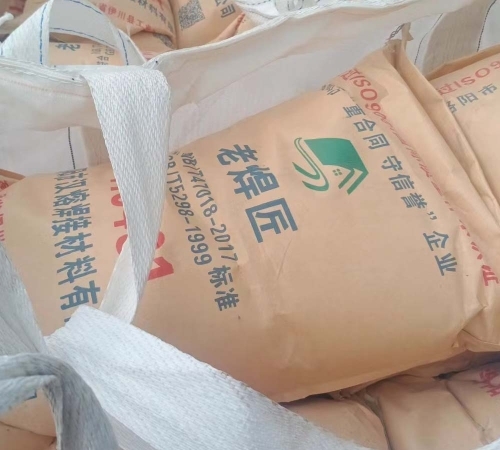
Oldwelders, with its robust manufacturing capabilities and commitment to quality, understands the complexities faced by international buyers. Our ISO 9001 certification underscores our dedication to maintaining the highest standards in the production of welding materials, including electrodes, wires, and fluxes, ensuring reliability for our partners worldwide.
The Components of Landed Cost for Welding Electrodes
The landed cost is the total cost of a product once it has arrived at the buyer's doorstep. It includes the original product price, all transportation fees, customs duties, taxes, insurance, currency conversion, and any handling fees. Neglecting any of these components can lead to significant discrepancies in your financial planning.
1. Product Cost (Ex-Works/FOB)
- Ex-Works (EXW): This is the most basic pricing term, where the seller makes the goods available at their factory or warehouse. All costs and risks from that point are borne by the buyer.
- Free On Board (FOB): Under FOB terms, the seller is responsible for delivering the goods to the named port of shipment and loading them onto the vessel. The buyer assumes costs and risks once the goods are on board.
- Our Production Capacity: At Oldwelders, we operate a plant covering an area of 1000 square meters, equipped with six production lines. This enables us to supply up to 100 tons of welding materials per day, facilitating efficient fulfillment of bulk orders for our global clients, including those in Brazil, Thailand, Australia, and Malaysia. Our minimum order quantity for many products is 1 ton, with a typical lead time of 30 days to ensure timely delivery.
2. International Shipping Costs
This is often one of the largest variables in landed cost. Factors influencing shipping include:
- Mode of Transport: Sea freight is typically the most cost-effective for heavy goods like welding electrodes, especially for large volumes. Air freight is faster but significantly more expensive.
- Freight Forwarder Fees: These companies manage the logistics of international shipping, including booking space, handling documentation, and coordinating with carriers.
- Fuel Surcharges: Volatile fuel prices can impact shipping costs, often added as a separate surcharge.
- Container Costs: Whether you opt for Full Container Load (FCL) or Less than Container Load (LCL) will affect the per-unit shipping cost.
3. Customs Duties and Taxes
Import duties and taxes are imposed by the destination country's government. These can vary significantly based on the product type (HS code), country of origin, and trade agreements.
- Harmonized System (HS) Code: Ensure you have the correct HS code for your welding electrodes to determine the applicable tariffs. Misclassification can lead to delays and penalties.
- Value Added Tax (VAT) / Goods and Services Tax (GST): These consumption taxes are typically applied at the point of import or sale within the destination country.
- Anti-Dumping Duties: In some cases, specific products from certain countries may be subject to anti-dumping duties if they are deemed to be sold below fair market value.
4. Insurance
Protecting your cargo against loss or damage during transit is crucial. While not always mandatory, cargo insurance is a vital component of risk management, especially for high-value or time-sensitive shipments.
5. Port and Terminal Handling Charges
Upon arrival at the destination port, goods incur various charges:
- Terminal Handling Charges (THC): Fees for handling containers at the port.
- Customs Clearance Fees: Charged by customs brokers for preparing and submitting necessary documentation.
- Demurrage and Detention: Penalties for exceeding free time at the port (demurrage) or for holding containers beyond the allowed period (detention). These can significantly inflate costs if not managed efficiently.
6. Inland Transportation
Once cleared through customs, the goods need to be transported from the port or airport to your final warehouse or facility. This includes:
- Trucking/Rail Costs: Depending on the distance and volume.
- Local Delivery Fees: For the final leg of the journey.
Key Factors Influencing Your Carbon Steel Electrode Procurement
Beyond the direct cost components, several strategic factors impact the overall value and efficiency of your procurement process for welding consumables.
1. Supplier Reliability and Quality Assurance
Choosing a reputable supplier is paramount. A reliable manufacturer not only provides competitive pricing but also ensures consistent product quality and adherence to specifications. For instance, Oldwelders maintains a stringent quality control process, underpinned by our ISO 9001 certification. This commitment extends to all our products, from arc welding machine offerings to the raw materials used in our welding fluxes, which include excellent dolomite, bauxite, cryolite, silica, and fluorine ore, melted at 2000 °C to ensure superior performance.
2. Payment Terms and Currency Exchange
The payment terms agreed upon with your supplier can impact your cash flow. Additionally, fluctuating exchange rates can significantly alter the final landed cost. Consider hedging strategies or negotiating fixed exchange rates if currency volatility is a concern.
3. Lead Time and Inventory Management
Longer lead times necessitate larger safety stocks, tying up capital. A supplier with efficient production and logistics can help minimize lead times and optimize your inventory. Our standard 30-day lead time allows for predictable planning for our clients, supporting their operational efficiency.
4. Volume Discounts and Economies of Scale
Purchasing larger quantities can often lead to better per-unit pricing on both the product and shipping. Evaluate your consumption patterns to determine optimal order sizes that balance cost savings with inventory holding costs. With a daily production capacity of 100 tons, Oldwelders is well-positioned to handle substantial bulk orders, offering economies of scale to our customers in markets like Brazil, Thailand, Australia, and Malaysia.
Evaluating Supplier Capabilities and Ensuring Quality
When comparing quotations from various electrode factories, a thorough evaluation goes beyond just the price per kilogram. It involves assessing the supplier's overall capability to deliver consistent quality and reliable service.
Supplier Audit and Certifications
Requesting certifications like ISO 9001, which Oldwelders proudly holds, provides assurance of a structured quality management system. This demonstrates a manufacturer's commitment to continuous improvement and customer satisfaction. Beyond certifications, consider:
- Production Process Transparency: A reputable supplier should be able to provide details on their manufacturing process, from raw material sourcing to final product inspection.
- Material Traceability: The ability to trace raw materials and production batches is crucial for quality control and problem-solving.
- Testing and Inspection Protocols: Inquire about the tests performed on welding consumables to ensure they meet international standards (e.g., AWS, EN).
Customer References and Market Reputation
Seek out references from other buyers, especially those in your target markets. A manufacturer with a strong reputation for quality and service, particularly in regions like Brazil, Thailand, Australia, and Malaysia, indicates a proven track record. Oldwelders has established strong relationships with clients in these key markets through consistent delivery of high-quality welding fluxes and electrodes.
Technical Support and After-Sales Service
Access to technical expertise can be invaluable. A supplier who offers robust technical support can assist with product selection, application guidance, and troubleshooting, which can save time and reduce operational costs in the long run.
A Strategic Approach to Mitigating Risks in Electrode Imports
International procurement carries inherent risks that can impact your landed cost and supply chain stability. Proactive risk mitigation is key to a successful import strategy.
1. Diversify Your Supply Chain
Relying on a single supplier or country for your welding consumables can expose you to significant risks, such as geopolitical instability, natural disasters, or unexpected factory shutdowns. Consider diversifying your supplier base to ensure continuity of supply.
2. Understand Incoterms Thoroughly
Incoterms (International Commercial Terms) define the responsibilities of buyers and sellers for the delivery of goods under sales contracts for international trade. A clear understanding of these terms (e.g., EXW, FOB, CIF, DDP) is crucial to accurately allocate costs and risks. Ensure your contracts explicitly state the agreed-upon Incoterm.
3. Plan for Contingencies
Unexpected events can occur, from shipping delays to quality issues. Having contingency plans in place, such as buffer inventory or alternative shipping routes, can minimize disruptions and additional costs. Our ability to produce 100 tons of product per day from our six production lines provides a strong foundation for reliable supply, even when unforeseen challenges arise.
4. Leverage Technology for Tracking and Management
Utilize supply chain management software or freight tracking tools to monitor your shipments in real-time. This visibility allows for proactive problem-solving and better estimation of arrival times, helping to avoid demurrage and detention charges.
Conclusion
Calculating the true landed cost of welding electrodes is a multifaceted process that requires meticulous attention to detail. By systematically accounting for product cost, shipping, duties, taxes, insurance, and local transportation, businesses can gain a clear financial picture and make informed procurement decisions. Beyond the numbers, partnering with a reliable, quality-focused manufacturer like Oldwelders is crucial for long-term success. Our commitment to ISO 9001 standards, substantial production capacity, and established presence in key markets ensure that our partners receive not only competitive pricing but also consistent quality and dependable service for all their AWS E6013 welding electrodes and other welding material needs.
By adopting a strategic approach to landed cost calculation and supplier evaluation, you can optimize your procurement process, minimize risks, and secure a consistent supply of high-quality welding consumables, ultimately contributing to your operational efficiency and profitability.