
A Guide to Choosing the Right Welding Electrode for Metal
How to Choose the Right Welding Electrode for Your Base Metal
Selecting the appropriate consumable is a foundational step in any shielded metal arc welding (SMAW) project. The choice directly influences the structural integrity, appearance, and overall quality of the finished weld. For fabricators, structural engineers, and maintenance teams, making an informed decision is not just about compatibility; it's about ensuring safety, efficiency, and long-term performance. The base metal—its composition, thickness, and intended service conditions—serves as the primary guide for this critical selection process.
A mismatched rod can lead to a host of problems, including cracking, porosity, lack of fusion, and insufficient mechanical properties. This guide provides a systematic approach to matching a welding electrode to your base metal, ensuring you achieve sound, reliable welds every time. We will explore the key factors, from material properties and tensile strength to flux coatings and polarity requirements, providing the technical knowledge needed to optimize your welding operations.
Understanding Base Metal Properties and Composition
The first and most crucial step is to identify the material you are working with. Different metals and their alloys have unique chemical compositions and metallurgical characteristics that dictate which consumable is suitable. Using an incompatible rod can introduce elements into the weld pool that result in a brittle or weak joint.
Mild and Low-Alloy Carbon Steel
Carbon steel is the most common material in structural fabrication, manufacturing, and repair. Its weldability is generally excellent, but the specific grade determines the best approach. For general-purpose welding on mild steel (e.g., ASTM A36), electrodes like E6010, E6011, E6013, and E7018 are standard choices.
- E6010/E6011: These cellulosic-coated rods offer deep penetration and are excellent for all positions, including vertical-down. They are ideal for welding on dirty, painted, or slightly rusted surfaces, making them popular for pipe welding and repair work.
- E6013: A rutile-coated rod, the E6013 produces a soft arc, minimal spatter, and a smooth bead appearance with easily removable slag. It's a versatile choice for light to medium-penetration applications on thin sheet metal. Check out our high-quality aws e6013 welding electrodes for consistent performance.
- E7018: This is a low-hydrogen, iron powder electrode known for producing high-quality, X-ray-grade welds with excellent ductility and crack resistance. It is the go-to choice for critical applications on low-alloy steels, thick sections, and situations where hydrogen-induced cracking is a concern.
Stainless Steel
Stainless steels are alloyed with chromium (and often nickel) to provide corrosion resistance. It is imperative to match the electrode's alloy content to the base metal to maintain these properties in the weld zone. Common stainless steel series include the 300 (austenitic), 400 (ferritic/martensitic), and duplex grades. For example, when welding 304L stainless steel, a 308L electrode is typically used. The "L" designation indicates low carbon content, which helps prevent carbide precipitation and subsequent intergranular corrosion at the weld boundaries.
Cast Iron
Welding cast iron is notoriously challenging due to its high carbon content and brittle nature, which makes it susceptible to cracking during cooling. Specialized electrodes are required. Nickel-based electrodes, such as E-Ni-CI (99% nickel) and E-NiFe-CI (55% nickel), are the industry standards. E-NiFe-CI is often preferred as it produces a stronger, more ductile weld and is better for joining cast iron to steel. Proper procedure, including preheating, slow cooling, and peening, is just as critical as electrode selection.
Aluminum and Non-Ferrous Metals
While MIG and TIG are the preferred processes for aluminum, stick welding is possible for repairs, particularly in field situations. Aluminum electrodes (e.g., E4043) are available but require a high level of operator skill. The flux coating is aggressive to remove the aluminum oxide layer, and the welding process is fast and requires precise control. For other non-ferrous metals like copper and bronze, specific consumables designed for those alloys must be used.
Matching Electrode Strength to the Base Metal
Once the base metal is identified, the next step is to match the mechanical properties, primarily the tensile strength. The American Welding Society (AWS) classification system for a carbon steel welding electrode, such as E7018, provides this information directly.
- E: Indicates it is an electrode for arc welding.
- First two digits (or three if 100 or higher): Represent the minimum tensile strength in thousands of pounds per square inch (psi). For E7018, this is 70,000 psi.
- Third digit: Indicates the recommended welding position. (1 = All positions, 2 = Flat and horizontal only, 4 = All positions with vertical-down progression).
- Fourth digit: Relates to the type of flux coating and the required current.
The general rule is to select a welding electrode that matches or slightly exceeds the tensile strength of the weaker of the two metals being joined. For instance, when welding A36 steel, which has a typical tensile strength of 58,000-80,000 psi, an E60xx or E70xx rod is appropriate. Using an E70xx rod ensures the weld metal is at least as strong as the base material. Overmatching strength significantly (e.g., using an E11018 on mild steel) is generally not recommended as it can create a brittle heat-affected zone (HAZ) and increase the risk of cracking without providing any structural benefit.
The Critical Role of Flux Coating and Welding Position
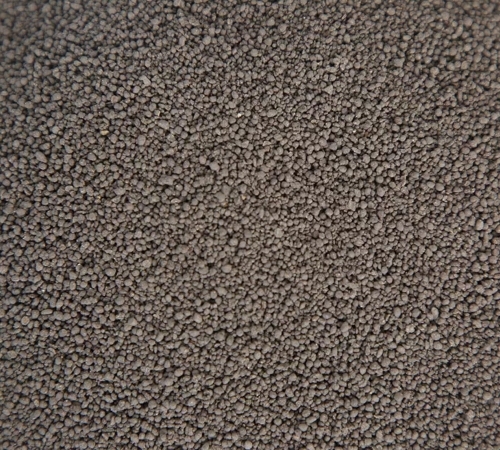
The flux coating on a stick electrode is far more than a simple protective layer. As it burns, it releases shielding gases to protect the molten weld pool from atmospheric contamination, provides slag to shape and protect the solidifying bead, and introduces deoxidizers and alloying elements to refine the weld metal. The composition of the flux dictates the electrode's operational characteristics. At Oldwelders, we ensure the quality of our welding fluxes by using excellent raw materials like dolomite, bauxite, and cryolite, which are melted at 2000 °C for superior purity and performance.
Common Flux Types
- Cellulosic (e.g., E6010): High in organic material, this coating produces a forceful, digging arc with deep penetration. It is ideal for all-position welding, especially for root passes in pipe.
- Rutile (e.g., E6013): With a high titanium dioxide content, this coating provides a smooth, stable arc, low spatter, and an appealing bead finish. It is excellent for general fabrication but offers shallower penetration.
- Low-Hydrogen (e.g., E7018): This coating contains very little moisture and organic material, minimizing the amount of hydrogen introduced into the weld. This is critical for preventing hydrogen-induced cracking in high-strength, thick, or crack-sensitive steels. These electrodes must be stored in a heated oven to maintain their low-hydrogen properties.
The third digit in the AWS classification indicates the electrode's positional capabilities. An "E_ _1_" rod is suitable for all positions (flat, horizontal, vertical, overhead), while an "E_ _2_" rod is limited to flat and horizontal positions. Choosing a rod rated for the position you will be welding in is essential for controlling the weld puddle and achieving a sound deposit.
Considering Welding Current and Polarity
The type of welding current and polarity significantly affects arc performance and weld characteristics. Your power source must be compatible with the selected welding electrode. The last digit of the AWS classification provides this information.
- AC (Alternating Current): The current rapidly switches between positive and negative. It is good for general-purpose welding and helps prevent arc blow.
- DCEP (Direct Current Electrode Positive): Also known as reverse polarity. The current flows from the machine to the workpiece and then to the electrode. This concentrates heat at the electrode, resulting in deeper penetration. It is the standard for E6010 and E7018.
- DCEN (Direct Current Electrode Negative): Also known as straight polarity. The current flows from the machine to the electrode and then to the workpiece. This directs more heat into the workpiece, leading to a faster melt-off rate and shallower penetration. It is often used for thin sheet metal.
For example, an E7018 electrode is typically run on DCEP but can also be designed for AC. An E6013 can often be used with AC, DCEP, or DCEN, making it highly versatile. Always consult the manufacturer's recommendations for the specific rod and ensure your welding machine is set correctly to achieve the desired results.
Partnering with a Reliable Supplier for Consistent Performance
Beyond the technical specifications of the consumable itself, the quality and consistency of your supply chain are paramount. A high-quality welding electrode depends on precise manufacturing controls, from raw material sourcing to final packaging. Partnering with an experienced and certified manufacturer ensures that every rod performs as expected, delivering consistent results that reduce rework and improve productivity.
At Oldwelders, we are committed to manufacturing excellence. Our operations are ISO 9001 certified, a testament to our rigorous quality management systems. Our 1000-square-meter plant is equipped with six production lines, giving us the capacity to supply up to 100 tons of welding consumables per day. This scale allows us to serve large industrial projects and distributors in markets across the globe, including Brazil, Thailand, Australia, and Malaysia, with a standard lead time of 30 days and a minimum order quantity of 1 ton.
By controlling the entire process—from melting premium ores at 2000 °C to produce pure flux ingredients to the final extrusion and baking of each welding electrode—we guarantee a product that meets the highest industry standards. When you choose Oldwelders, you are not just buying a consumable; you are investing in the reliability and integrity of your most critical welded connections.