Why Does Welding Slag Stick to Welds? Expert Insights
Understanding Why Welding Slag Adheres to Your Welds
In the demanding world of industrial fabrication and welding, efficiency and quality are paramount. One common challenge that can impede productivity and compromise weld integrity is the persistent issue of
welding slag sticking stubbornly to the weld bead. This phenomenon, while seemingly minor, can lead to increased cleanup time, potential rework, and ultimately, higher operational costs. For fabrication supervisors and skilled welders alike, diagnosing and preventing this specific problem is crucial for maintaining optimal performance.
At Oldwelders, we understand the intricacies of welding processes and the importance of reliable materials. Our commitment to quality is underscored by our ISO 9001 certification, ensuring that our products consistently meet international standards. We specialize in providing high-performance
welding materials, including welding machines, welding wire, welding rod, and premium welding fluxes, designed to facilitate smoother operations and superior results. This article delves into the specific reasons why welding slag adheres, offering actionable insights to help you troubleshoot and overcome this challenge.
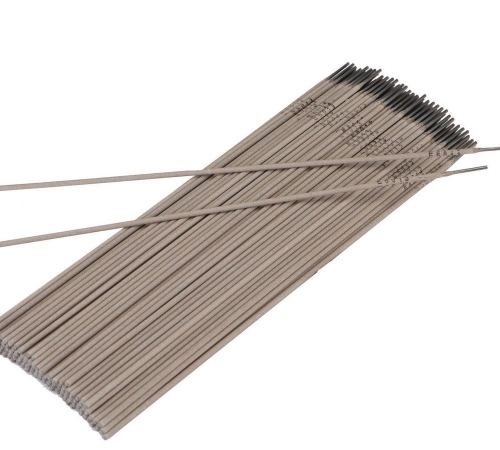
The Protective Role and Formation of Welding Slag
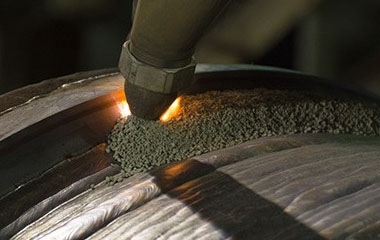
Before addressing adhesion, it is essential to understand the fundamental role of welding slag. In processes like shielded metal arc welding (SMAW) and submerged arc welding (SAW), the flux coating on an electrode or granular flux plays a critical protective role during welding. As the arc melts the electrode and base metal, the flux melts to form a molten slag puddle that floats on top of the molten weld pool.
This molten slag performs several vital functions:
- Atmospheric Protection: It shields the molten weld pool from atmospheric contaminants such as oxygen and nitrogen, which can cause porosity and other defects.
- Arc Stabilization: It helps stabilize the arc, making the welding process more consistent.
- Alloying Elements: It can introduce alloying elements into the weld metal, enhancing its mechanical properties.
- Slow Cooling: It insulates the cooling weld metal, allowing it to solidify more slowly, which can improve grain structure and reduce cracking potential.
Once the weld metal solidifies, the slag solidifies into a brittle, glass-like crust that should ideally detach easily. When it doesn't, it indicates an underlying issue with the welding process or materials. Our advanced
welding fluxes are engineered from excellent raw materials such as dolomite, bauxite, cryolite, silica, and fluorine ore, melted at 2000 °C, ensuring a consistent and reliable protective layer that aids in clean slag removal.
Common Causes of Stubborn Slag Adhesion
The primary reasons for stubborn slag adhesion often relate to improper welding technique, incorrect material selection, or external factors. Understanding these specific areas is key to effective troubleshooting.
Incorrect Arc Length
The distance between the electrode and the weld pool, known as arc length, significantly influences the weld puddle's characteristics and the slag's behavior.
- Excessively Long Arc: A long arc disperses the heat over a wider area, leading to a flatter, less convex weld bead profile. This can cause the molten slag to spread thinly and cool too quickly, fusing tightly with the base metal and making it difficult to chip off. It also reduces shielding gas effectiveness, potentially leading to increased oxidation at the slag-metal interface.
- Too Short Arc: While less common for slag adhesion, an extremely short arc can lead to erratic arc behavior and insufficient penetration, which indirectly affects the weld profile and slag formation.
Suboptimal Travel Speed and Angle
The speed at which the electrode moves along the joint and its angle relative to the workpiece play a crucial role in shaping the weld bead and influencing slag removal.
- Excessive Travel Speed: Moving too fast prevents the weld pool from properly solidifying and the molten slag from flowing to the surface and forming a distinct layer. This can cause the slag to become entrapped or to form a thin, brittle layer that adheres strongly.
- Insufficient Travel Speed: Moving too slowly can lead to excessive heat input, a wide, deep weld pool, and an uneven bead profile. The slag may become too thick or turbulent, leading to inclusions or areas where it cools too slowly, bonding with the solidified metal.
- Incorrect Electrode Angle: An improper drag or push angle can affect the distribution of heat and the flow of the molten weld pool and slag. For instance, an extreme drag angle might push the molten slag ahead of the arc, causing it to cool prematurely and stick. A proper angle ensures the slag flows smoothly behind the weld puddle.
Insufficient or Excessive Heat Input
The amount of heat delivered to the workpiece directly impacts the fluidity of the weld pool and the molten slag.
- Low Amperage (Insufficient Heat): If the amperage is too low, the weld pool and slag will be too viscous. The slag may not flow properly to the surface, becoming entrapped or solidifying before it can fully separate from the weld metal. This often results in a convex bead with tightly adhering slag.
- High Amperage (Excessive Heat): While high amperage can sometimes lead to a very fluid slag that removes easily, it can also cause excessive penetration, burn-through, or a very wide, flat bead where the slag spreads thin and cools rapidly, making it adhere. It can also lead to undercutting, which can trap slag.
Improper Electrode Selection or Condition
The choice of electrode and its condition are fundamental to achieving a good weld and easy slag removal.
- Incorrect Electrode Type: Different electrodes are designed for specific applications and welding positions. Using an electrode with a slag system unsuitable for the joint type or position can lead to adhesion. For example, some cellulosic electrodes produce a fast-freezing slag, while rutile electrodes typically offer easier slag removal. Our range of AWS E6013 welding electrodes is engineered for excellent operability and good slag release.
- Moisture in Electrode Coating: Electrodes that have absorbed moisture can lead to porosity, hydrogen embrittlement, and an unstable arc. The compromised arc and weld pool quality can contribute to difficult slag removal. Proper storage and re-baking procedures are essential.
Base Metal Contamination
Contaminants on the base metal surface, such as rust, oil, grease, paint, or scale, can interfere with the welding process and slag behavior.
- These impurities can react with the molten weld pool and slag, altering its chemical composition and viscosity. This can prevent the slag from forming a clean, easily detachable layer, leading to stronger adhesion or even inclusions within the weld. Thorough cleaning of the base metal before welding is always recommended.
Preventing Slag Adhesion and Ensuring Clean Welds
Preventing stubborn slag adhesion involves a combination of best practices, proper material selection, and consistent technique.
Optimize Welding Parameters
Experiment with and fine-tune your welding parameters – amperage, voltage, arc length, and travel speed – for the specific material, joint design, and electrode being used. Refer to electrode manufacturer specifications as a starting point. For instance, maintaining a consistent, tight arc length helps ensure proper heat concentration and a well-formed bead.
Maintain Correct Electrode Angle and Travel Speed
Use a slight drag angle (typically 10-15 degrees) and maintain a steady travel speed that allows the weld puddle to form and the slag to follow smoothly behind it. Avoid excessive weaving that can lead to uneven heat distribution.
Ensure Base Metal Cleanliness
Always prepare your base metal thoroughly by removing any rust, scale, oil, or paint. A clean surface promotes better fusion and allows the slag to perform its protective function without interference from contaminants.
Select the Right Welding Consumables
Choosing high-quality
welding wire, welding rods, and
welding fluxes designed for easy slag release is paramount. Oldwelders' extensive range of products, including specialized
submerged arc welding flux HJ431, is formulated to enhance weld quality and improve slag detachability. Our manufacturing facility, covering an area of 1000 square meters with six production lines, allows us to maintain consistent quality and supply capacity of up to 100 tons a day, ensuring you have access to reliable materials.
Proper Electrode Handling and Storage
Store electrodes in dry conditions and re-bake them according to manufacturer recommendations if they have been exposed to moisture. This preserves the integrity of the flux coating and prevents issues related to arc instability and poor slag behavior.
The Impact of Quality Welding Materials on Slag Removal
The quality of your welding consumables directly influences not only the strength and integrity of your welds but also the ease of post-weld cleanup. Inferior flux formulations can lead to chemically unstable slag that bonds aggressively with the weld metal, making removal a tedious and damaging process.
At Oldwelders, we pride ourselves on engineering premium
welding materials built for performance and reliability. Our rigorous quality control, backed by our ISO 9001 certification, ensures that every batch of
welding fluxes,
welding rods, and
welding machines meets stringent standards. We understand that time is money in fabrication, and our products are designed to minimize rework and maximize efficiency. With a minimum order quantity of 1 ton, we cater to industrial-scale needs, delivering consistent quality to our partners in target markets like Brazil, Thailand, Australia, and Malaysia. Our efficient production process allows for typical lead times of 30 days, ensuring your operations run smoothly.
Best Practices for Removing Adhered Slag
Even with the best preventative measures, some slag adhesion can still occur. When it does, proper removal techniques are vital to avoid damaging the weld.
- Chipping Hammers: These are the primary tools for removing most slag. Use a sharp, pointed end to chip away at the slag, ensuring the hammer strikes the slag and not the weld metal itself.
- Wire Brushes: After initial chipping, a wire brush (manual or power-driven) helps remove any remaining fine residue and cleans the weld bead surface.
- Grinding: For exceptionally stubborn or embedded slag, light grinding may be necessary. However, this should be done cautiously to avoid removing parent material or altering the weld profile, which could compromise its strength. Always use appropriate personal protective equipment.
- Pneumatic Scaling Hammers: For larger, industrial applications, pneumatic scaling hammers can be highly effective in quickly removing heavy slag deposits.
Always inspect the weld after slag removal to ensure no inclusions or surface defects are present. Timely and careful removal prevents potential stress concentrators and maintains the aesthetic and structural integrity of the joint.
Conclusion
Understanding why welding slag adheres to welds is the first step toward achieving cleaner, more efficient, and higher-quality fabrication. By meticulously controlling welding parameters, ensuring proper material selection, and maintaining clean workpieces, welders can significantly reduce the occurrence of stubborn slag.
Oldwelders is your trusted partner in achieving superior welding outcomes. Our professional-grade
welding materials, including advanced
welding fluxes and robust
arc welding machines, are engineered to streamline your operations and enhance the quality of your finished products. We are dedicated to providing the solutions you need for efficient slag removal and flawless welds, supporting industries across the globe with our certified quality and extensive production capabilities. Partner with Oldwelders to ensure your projects consistently meet the highest standards.