
Verify SJ101 Flux Specifications for SAW
Verifying SJ101 Flux Specifications for Optimal Submerged Arc Welding
For purchasing managers and quality assurance teams, the selection of welding consumables is a critical decision that directly impacts project integrity, operational efficiency, and overall cost. Among these, welding fluxes, particularly those used in Submerged Arc Welding (SAW), demand meticulous scrutiny. The SJ101 Flux, a widely utilized product, requires a thorough verification of its specifications to ensure it aligns perfectly with your specific SAW procedure requirements. This detailed guide outlines the essential parameters and considerations for validating any SJ101 Flux quote, helping you make informed decisions that uphold the highest standards of quality and performance.
The importance of selecting the correct SJ101 Flux cannot be overstated. A mismatch in specifications can lead to costly rework, material waste, and compromised weld integrity. Therefore, understanding the nuances of its composition, physical properties, and performance characteristics is paramount for any B2B buyer.
Understanding SJ101 Flux in Submerged Arc Welding
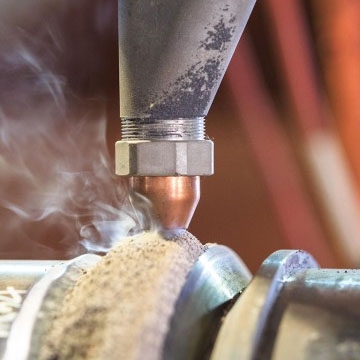
SJ101 Flux is a type of fused or agglomerated flux specifically designed for Submerged Arc Welding. This welding process is renowned for its high deposition rates, deep penetration, and excellent weld quality, making it suitable for heavy fabrication industries such such as shipbuilding, pressure vessel manufacturing, and structural steel construction. The flux plays a multi-faceted role in SAW, acting as a protective shield for the molten weld pool, stabilizing the arc, adding alloying elements, and refining the weld metal’s microstructure. Its precise formulation dictates the resulting mechanical properties and metallurgical characteristics of the weld.
When evaluating an SJ101 Flux, it's not merely about purchasing a commodity; it's about acquiring a critical component that will interact dynamically with your chosen welding wire and base material. The chemical reactions occurring under the flux layer are complex, and the consistency of these reactions is directly proportional to the consistency of the flux's specifications. Any deviation can lead to undesirable weld defects, from porosity and inclusions to poor bead shape and insufficient mechanical strength. Therefore, a deep dive into the technical data sheets is not just recommended, but essential for maintaining the integrity of your welding operations.
Critical Specifications for SJ101 Flux Verification
To ensure the SJ101 Flux meets your operational demands, a comprehensive review of its technical specifications is indispensable. This involves scrutinizing various aspects, from its chemical makeup to its physical attributes and how these translate into welding performance.
Chemical Composition of SJ101 Flux
The chemical composition is arguably the most critical aspect of any welding flux. It dictates the metallurgical reactions that occur during welding, influencing the mechanical properties of the weld metal. Key elements to verify include:
- SiO2, MnO, CaO, MgO, Al2O3, CaF2: These oxides and fluorides are fundamental to the flux's basicity, viscosity, and ability to refine the weld metal. Basicity, in particular, affects the oxygen content in the weld metal, influencing impact toughness and strength. A higher basicity generally correlates with better impact properties.
- Sulfur and Phosphorus: These impurities should be as low as possible, as they can lead to hot cracking and embrittlement of the weld metal.
- Trace Elements: Specific alloying elements might be present to enhance certain properties, such as nickel for low-temperature toughness or molybdenum for creep resistance. Confirm these align with your desired weld metal properties.
Oldwelders ensures the quality of its welding materials by carefully selecting raw ingredients. The raw materials used in the production of our flux products, including SJ101 Flux, are excellent dolomite, bauxite, cryolite, silica, and fluorine ore. These are melted at an extremely high temperature of 2000 °C, ensuring a homogenous and high-purity product that consistently delivers the desired chemical composition and performance.
Physical Properties
Beyond chemistry, the physical characteristics of the SJ101 Flux directly impact its usability and performance:
- Particle Size Distribution: This affects flux flowability, arc stability, and slag removal. Too fine, and it can lead to excessive fumes and poor arc stability; too coarse, and it might result in inadequate slag coverage and difficulty in handling. Specifications typically provide a range (e.g., 10-60 mesh).
- Bulk Density: Influences the volume of flux consumed per weld and its handling characteristics in flux delivery systems. It's usually expressed in g/cm³ or lbs/ft³.
- Moisture Content: High moisture content is detrimental, as it can lead to hydrogen-induced cracking and porosity in the weld. Reputable suppliers provide very low moisture content specifications (e.g., <0.1%) and recommended storage conditions.
- Flux Classification (e.g., F7A2-EM12K): This AWS classification provides a standardized way to understand the flux's performance with a specific wire, indicating minimum tensile strength, impact properties, and post-weld heat treatment conditions.
Welding Performance Characteristics
Ultimately, the true test of any SJ101 Flux lies in its performance under actual welding conditions. While lab tests provide initial data, practical trials are invaluable. Considerations include:
- Arc Stability: A stable arc is crucial for consistent weld penetration and bead appearance. Assess for erratic arc behavior or excessive spatter.
- Slag Detachability: Easy slag removal is a major factor in productivity. Slag should ideally detach cleanly with minimal effort, reducing post-weld cleaning time.
- Weld Bead Appearance: Evaluate for a smooth, uniform bead profile, free from excessive ripple, undercut, or overlap.
- Mechanical Properties of Weld Metal: This includes tensile strength, yield strength, elongation, and impact toughness (e.g., Charpy V-notch at specified temperatures). These properties must meet the structural and service requirements of your application.
Ensuring Quality and Reliability in SJ101 Flux Production
Beyond the technical specifications, understanding a supplier's commitment to quality and their production capabilities is vital. This provides assurance that the SJ101 Flux you receive will be consistent, reliable, and meet international standards.
Oldwelders is proud to be an ISO 9001 certified manufacturer. This certification signifies our adherence to rigorous quality management systems, ensuring that every batch of SJ101 Flux and other products like welding machines or electrodes meets the highest international standards for consistency and performance. Our commitment to quality permeates every stage of the production process, from raw material sourcing to final product inspection.
Our manufacturing facility, designed for optimal efficiency and quality control, covers an impressive area of 1000 square meters. Within this expansive plant, we operate six state-of-the-art production lines. This robust infrastructure allows us to maintain a substantial production capacity, capable of supplying up to 100 tons of flux products a day. This high capacity ensures that even large-scale orders for SJ101 Flux can be fulfilled efficiently without compromising on quality or delivery timelines.
The melting process of our raw materials at 2000 °C is a testament to our dedication to producing superior flux. This high-temperature treatment ensures that impurities are minimized and the constituent elements are thoroughly blended, leading to a homogenous and stable product. Such stringent manufacturing processes are crucial for producing a consistent SJ101 Flux that performs reliably in diverse welding environments, from the demanding conditions in Brazil to the specialized applications in Australia, Thailand, and Malaysia.
Strategic Sourcing and Logistics for Your SJ101 Flux Orders
For B2B buyers, the procurement process goes beyond product specifications; it encompasses supply chain reliability, order flexibility, and efficient delivery. Understanding a supplier's logistical capabilities is key to preventing project delays and managing inventory effectively.
Minimum Order Quantity (MOQ) and Lead Time
When ordering SJ101 Flux, understanding the supplier's minimum order quantity (MOQ) is essential for inventory management and cost efficiency. Oldwelders offers an accessible MOQ of 1 ton, making our high-quality SJ101 Flux available to a wide range of businesses, from smaller fabrication shops to large industrial facilities. This flexibility allows customers to order quantities that precisely match their project needs without overstocking.
Equally important is the lead time – the duration from order placement to delivery. We understand that timely delivery is critical for maintaining project schedules. Oldwelders is committed to efficient production and logistics, typically offering a lead time of 30 days for orders. This consistent timeframe allows purchasing managers to plan their procurement cycles effectively, minimizing downtime and ensuring a continuous supply of essential welding consumables for their operations in markets such as Brazil, Thailand, Australia, and Malaysia.
Global Reach and Packaging
A supplier with experience in international logistics can significantly streamline your procurement process, especially if your operations are global. Oldwelders has established a strong presence in key target markets including Brazil, Thailand, Australia, and Malaysia. Our experience in these regions ensures that we understand the specific logistical requirements and import regulations, facilitating smoother transactions and reliable delivery of SJ101 Flux.
Packaging also plays a crucial role in maintaining the quality of flux during transit and storage. SJ101 Flux should be supplied in durable, moisture-resistant packaging, typically robust bags or drums, to protect it from environmental degradation. Always verify the packaging specifications and ensure they align with your storage capabilities and environmental conditions at the receiving end.
Partnering with a Knowledgeable SJ101 Flux Supplier
Selecting the right supplier for your SJ101 Flux is as important as verifying the product's specifications. A reliable partner offers more than just products; they provide expertise, support, and consistency that contribute to your operational success.
A knowledgeable supplier will offer comprehensive technical support, helping you interpret specifications, troubleshoot welding issues, and even recommend the optimal SJ101 Flux variant for unique applications. They should be able to provide detailed Certificates of Analysis (CoA) for each batch, confirming that the delivered product meets the agreed-upon standards. This transparency is a hallmark of a trustworthy partner dedicated to quality and customer satisfaction.
Oldwelders stands as a professional and knowledgeable partner in the welding industry. Our extensive product range, which includes not only submerged arc welding flux HJ431 but also a comprehensive selection of welding machines, welding wires, and welding rods, ensures that we possess a holistic understanding of welding processes. This broad expertise allows us to provide insightful guidance and solutions tailored to your specific needs, whether you are operating a heavy fabrication plant or a specialized industrial workshop.
Our commitment to excellence is reflected in our ISO 9001 certification and our robust manufacturing capabilities. We understand the critical role that consistent, high-quality SJ101 Flux plays in your operations, and we are dedicated to being a reliable link in your supply chain. By choosing Oldwelders, you are partnering with a company that prioritizes quality, efficiency, and customer success, ensuring that your welding projects achieve optimal results every time.
Conclusion
The meticulous verification of SJ101 Flux specifications is not merely a procedural step; it is a fundamental aspect of risk mitigation and quality assurance in Submerged Arc Welding. By carefully evaluating each SJ101 Flux's chemical composition, physical properties, welding performance, and the supplier's manufacturing and logistical capabilities, purchasing managers and QA teams can confidently select products that meet the stringent demands of their applications.
Partnering with a trusted and knowledgeable supplier like Oldwelders, with our ISO 9001 certification, high-capacity production facilities, and commitment to quality raw materials, provides an invaluable advantage. Our ability to consistently deliver high-quality SJ101 Flux with reliable lead times and accessible MOQs ensures that your welding operations remain efficient, productive, and uphold the highest standards of weld integrity. Make informed decisions to secure the success of your welding projects by prioritizing thorough specification verification and choosing a partner dedicated to excellence.