
Preventing SAW Slag Defects with HJ260 Flux
Preventing Submerged Arc Welding Slag Defects with HJ260 Flux
In the demanding world of industrial welding, achieving consistent, high-quality welds is paramount. Submerged Arc Welding (SAW) is a highly efficient process, but its success hinges significantly on the performance of the welding fluxes used. Among these, HJ260 Flux stands out as a versatile choice for many applications. However, even with premium materials, operators frequently encounter slag-related defects that can compromise weld integrity and increase production costs.
Oldwelders understands these challenges. As an ISO 9001 certified manufacturer, our commitment to quality ensures that our fluxes, including HJ260 Flux, are produced to the highest standards. We meticulously select raw materials such as excellent dolomite, bauxite, cryolite, silica, and fluorine ore, which are then melted at an intense 2000 °C to create a flux with unparalleled performance characteristics. This rigorous process is part of our dedication to helping you achieve flawless welds and troubleshoot common issues effectively.
This comprehensive guide delves into the common slag defects encountered when using HJ260 Flux in SAW, offering practical solutions and parameter adjustments to ensure your welding operations run smoothly and efficiently. We will explore the causes behind these defects and provide actionable steps to prevent them, ensuring optimal weld quality and productivity.
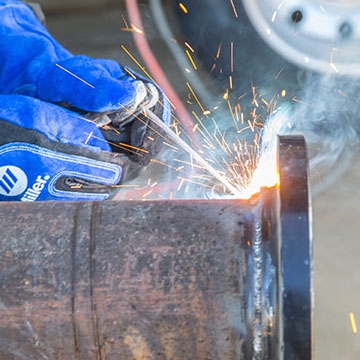
Understanding HJ260 Flux for Optimal Performance
HJ260 Flux is a high-speed fused flux known for its excellent welding performance, good slag detachability, and smooth weld bead appearance when properly applied. Its versatility makes it suitable for a wide range of applications, including single-pass and multi-pass welding of various steel structures. The fused nature of HJ260 Flux contributes to its consistent chemical composition and low moisture absorption, which are critical factors in preventing welding defects.
However, even with these inherent advantages, proper understanding and management of welding parameters are essential to harness its full potential. Slag, the molten by-product of the flux, plays a crucial role in protecting the weld pool, alloying the weld metal, and shaping the weld bead. When slag behavior deviates from the ideal, it can lead to frustrating and costly defects. Our state-of-the-art plant, covering an area of 1000 square meters and equipped with six production lines, boasts a formidable capacity to supply up to 100 tons of flux daily, ensuring consistent quality and availability of HJ260 Flux for our global clientele.
Common Slag-Related Defects in SAW Using HJ260 Flux
Slag defects manifest in various forms, each indicating specific underlying issues with welding parameters, material preparation, or flux management. Recognizing these symptoms early is key to effective troubleshooting.
Slag Inclusions
Slag inclusions are perhaps the most critical slag-related defect, as they are internal discontinuities that weaken the weld. They appear as small, non-metallic particles entrapped within the weld metal or between weld passes. These inclusions act as stress concentrators, significantly reducing the mechanical properties of the weld, such as tensile strength and fatigue resistance. They can be detected through non-destructive testing methods like radiography.
Difficult Slag Removal
This defect is characterized by slag that adheres strongly to the weld bead, requiring excessive effort to chip away. While not directly affecting the weld's internal integrity, difficult slag removal severely impacts productivity, increases post-welding cleaning costs, and can lead to surface damage if removed improperly. The weld bead often appears rough or uneven beneath the stubbornly attached slag.
Excessive Slag Volume / Glassy Slag
Sometimes, the slag produced can be excessively voluminous, brittle, or have a glassy, vitreous appearance. While a certain amount of slag is normal, an excessive volume indicates inefficient use of flux and can make removal more challenging. Glassy slag, in particular, often points to issues with heat input or flux composition (though less common with high-quality fused fluxes like HJ260 Flux).
Irregular Slag Appearance
An inconsistent or non-uniform slag layer can be a visual indicator of underlying problems. This might include patches of thick slag interspersed with thin areas, or slag that breaks unevenly. Such irregularities suggest instability in the welding process, potentially leading to varied cooling rates and inconsistent weld properties across the bead.
Diagnosing Slag Defects: A Troubleshooting Guide for HJ260 Flux
Effective troubleshooting requires a systematic approach, correlating symptoms with potential causes and implementing targeted solutions. Here’s how to diagnose and rectify common slag defects when using HJ260 Flux.
Troubleshooting Slag Inclusions
- Symptoms: Porosity, reduced mechanical properties, detected by NDT.
- Causes:
- Insufficient Pre-heating: If the base material is too cold, the weld pool solidifies too quickly, trapping slag.
- Incorrect Travel Speed: Too fast a travel speed can outrun the shielding gas, leading to inadequate pre-heating and rapid solidification. Too slow can create a large, sluggish weld pool where slag struggles to rise.
- Inadequate Current/Voltage: Low current or voltage can result in insufficient penetration and a shallow weld pool, making it difficult for slag to float to the surface. Conversely, excessively high voltage can create a wide, shallow bead with poor fusion, also trapping slag.
- Poor Joint Preparation: Contaminants like rust, oil, paint, or excessive scale on the joint surfaces can react to form slag that becomes entrapped.
- Moisture in Flux/Wire: Although HJ260 Flux is fused and less prone to moisture absorption, improper storage can lead to moisture pickup, which can cause hydrogen porosity and slag inclusions.
- Solutions:
- Adjust Parameters: Optimize welding current, voltage, and travel speed. Aim for a balanced heat input that ensures good penetration and allows sufficient time for slag to separate. Refer to the specific recommendations for your welding machine and material.
- Improve Joint Cleaning: Thoroughly clean joint surfaces to remove all contaminants before welding.
- Proper Flux Storage: Store HJ260 Flux in a dry, heated environment according to manufacturer guidelines to prevent moisture absorption.
- Pre-heat Appropriately: Ensure the base material is pre-heated to the recommended temperature for the specific steel and thickness.
Troubleshooting Difficult Slag Removal
- Symptoms: Slag strongly adheres to the weld bead, requiring excessive force to remove.
- Causes:
- Low Heat Input: Insufficient current or voltage, or excessively high travel speed, can result in a colder weld pool and faster solidification. This can lead to a less fluid slag that solidifies too quickly and bonds tightly to the weld metal.
- Improper Cooling Rate: Rapid cooling can cause the slag to shrink and grip the weld bead more tightly.
- Incorrect Flux-to-Wire Ratio: While less common with pre-blended fluxes, an imbalance can affect slag properties.
- Wrong Welding Position: Certain positions might influence slag flow and cooling, though HJ260 Flux is generally versatile.
- Solutions:
- Optimize Welding Parameters: Increase current or voltage slightly, or decrease travel speed to achieve a higher heat input. This will maintain the weld pool and slag in a molten state for longer, allowing better separation.
- Control Cooling Rate: For certain applications, controlled cooling (e.g., using a slight post-heat) might improve slag detachability.
- Ensure Proper Flux Coverage: Maintain adequate flux depth to ensure proper shielding and thermal insulation of the weld pool.
Troubleshooting Excessive Slag Volume / Glassy Slag
- Symptoms: Large, brittle, or glassy slag that may be difficult to manage.
- Causes:
- Extremely High Voltage: Excessive voltage can lead to a wider, shallower arc and a larger volume of molten flux, resulting in more slag.
- Incorrect Flux Feeder Settings: An oversupply of flux can naturally lead to more slag.
- Base Material Impurities: While the flux's primary role is to shield, excessive impurities in the base metal can contribute to slag volume.
- Solutions:
- Reduce Voltage: Lower the welding voltage to reduce the arc width and control the amount of molten flux.
- Check Flux Feeder Settings: Calibrate the flux feeding system to ensure the correct amount of HJ260 Flux is being supplied for the chosen parameters.
- Verify Base Material Quality: Ensure the base material is clean and within specifications for the application.
Troubleshooting Irregular Slag Appearance
- Symptoms: Non-uniform, patchy, or inconsistent slag layer.
- Causes:
- Unstable Arc: Fluctuations in current or voltage, or issues with the welding materials feed, can lead to an unstable arc, affecting slag formation.
- Uneven Flux Distribution: If the flux is not evenly distributed along the weld path, it can lead to inconsistent shielding and slag formation.
- Contaminants: Dust, debris, or moisture on the workpiece surface or within the flux hopper can interfere with uniform slag formation.
- Solutions:
- Ensure Arc Stability: Verify that your arc welding machine is functioning correctly and that welding parameters are stable. Check for consistent wire feed speed and proper electrical connections.
- Optimize Flux Delivery: Ensure the flux hopper and delivery system are clean and provide a continuous, even flow of HJ260 Flux.
- Maintain Cleanliness: Keep the workpiece and welding environment clean to prevent external contaminants from interfering with the slag.
Optimizing Welding Parameters for HJ260 Flux
Achieving defect-free welds with HJ260 Flux relies heavily on the precise adjustment of welding parameters. A small change in one parameter can significantly impact slag behavior and overall weld quality.
- Current and Voltage: These are primary drivers of heat input. Higher current increases penetration, while higher voltage widens the arc and affects bead shape and slag fluidity. For optimal slag detachability with HJ260 Flux, aim for a balanced combination that provides sufficient heat without excessive arc spread. Start with manufacturer recommendations and fine-tune based on visual inspection of the slag and weld bead.
- Travel Speed: This dictates the heat input per unit length of weld. Too fast, and slag can get trapped; too slow, and excessive heat can lead to a large, sluggish weld pool and potential burn-through. Adjust travel speed to allow the slag sufficient time to separate from the weld metal before solidification.
- Electrode Stick-out: The distance between the contact tip and the workpiece influences arc stability, penetration, and heat input. A longer stick-out can increase resistance heating of the electrode, affecting the effective current. Maintain a consistent stick-out according to procedural guidelines to ensure a stable arc and predictable slag behavior.
- Joint Preparation: Proper joint geometry and cleanliness are foundational. Bevel angles, root gaps, and land dimensions should be accurate to allow for good penetration and fusion. Any rust, scale, oil, or moisture must be removed to prevent contamination that can lead to slag inclusions and porosity.
- Flux Management: Always store HJ260 Flux in dry conditions. For best practice, some operators choose to pre-dry flux, even fused types, if there's any suspicion of moisture pickup, though fused fluxes are inherently less hygroscopic. Avoid contamination of the flux hopper with foreign particles.
Quality Assurance and Material Sourcing for HJ260 Flux
The foundation of preventing slag defects begins with the quality of your welding materials. At Oldwelders, we pride ourselves on delivering premium HJ260 Flux that meets stringent international standards, including ISO 9001 certification.
Our commitment to quality starts with the selection of raw materials. The raw materials of the flux products produced by our company are excellent dolomite, bauxite, cryolite, silica, fluorine ore, and other ores, which are melted at 2000 °C. This high-temperature melting process ensures a homogeneous and consistent fused flux, which is less prone to moisture absorption and provides stable arc characteristics—critical for preventing many slag-related issues.
With a plant covering 1000 square meters and six dedicated production lines, we have the capacity to supply 100 tons of high-quality flux daily. This robust infrastructure allows us to maintain consistent product quality and reliable supply for our diverse clientele, including key markets such as Brazil, Thailand, Australia, and Malaysia. We also cater to various project scales, with a minimum order quantity (MOQ) of just 1 ton, making our premium fluxes accessible for both large-scale industrial operations and specialized projects.
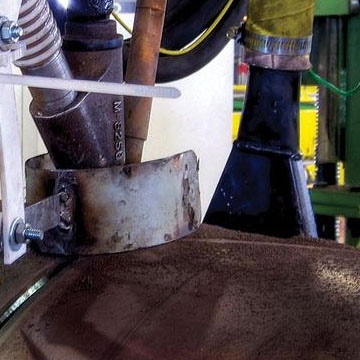
Advanced Techniques and Best Practices with HJ260 Flux
For complex applications or to further refine your SAW process with HJ260 Flux, consider these advanced techniques and best practices:
- Pre-heating and Post-heating Considerations: While pre-heating primarily prevents hydrogen-induced cracking and ensures proper fusion, it also influences the cooling rate of the weld pool and slag. Appropriate pre-heat can allow more time for slag separation. Post-heating, if applicable, can further refine the weld's microstructure and potentially aid in easier slag removal for certain alloys.
- Multi-pass Welding Strategies: In multi-pass welding, each pass acts as a pre-heat for the subsequent one. Ensure thorough inter-pass cleaning to remove all slag from previous passes before depositing the next bead, preventing slag inclusions. The choice of welding parameters for each pass should consider the cumulative heat input and its effect on slag behavior.
- Automated SAW Systems: When using HJ260 Flux with automatic welding machine systems, the precision of parameter control is significantly enhanced. Leverage the capabilities of these systems to maintain extremely tight tolerances on current, voltage, and travel speed. This consistency is crucial for reproducible slag behavior and minimized defects. Regular calibration and maintenance of automated equipment are vital.
- Flux Recycling (if applicable): If your operation involves flux recycling, ensure the reclaimed flux is properly screened and processed to remove contaminants and fine particles. While HJ260 Flux is a fused type, maintaining the integrity of recycled flux is paramount to avoid introducing impurities that could lead to slag defects. Always follow manufacturer guidelines for recycling.
- Operator Training and Experience: Even with the best materials and equipment, skilled operators are indispensable. Continuous training on the latest welding techniques, parameter optimization, and defect recognition for HJ260 Flux can significantly reduce the occurrence of slag-related issues and improve overall productivity.
Conclusion
Preventing SAW slag defects with HJ260 Flux is a combination of selecting high-quality materials, understanding the nuances of your welding parameters, and implementing meticulous process control. By systematically diagnosing the causes of slag inclusions, difficult slag removal, excessive slag volume, and irregular slag appearance, operators can fine-tune their approach to achieve superior weld quality.
Oldwelders is committed to providing not only top-tier welding fluxes like HJ260 Flux but also the knowledge and support necessary for our clients to excel. Our ISO 9001 certified processes, premium raw materials melted at 2000 °C, and impressive daily production capacity of 100 tons ensure that you receive consistent, reliable products. By adhering to the guidelines outlined in this article, you can significantly reduce slag-related defects, enhance productivity, and extend the lifespan of your welded structures. Partner with Oldwelders for your welding needs and experience the difference that quality and expertise make.