
Understanding Welding Slag: Formation & Impact
Understanding Welding Slag: Its Formation, Characteristics, and Impact on Weld Quality
In the intricate world of professional fabrication, achieving superior weld quality is paramount. Every aspect of the welding process, from material selection to technique, plays a critical role in the integrity and longevity of the final product. One common phenomenon that often draws scrutiny from welding supervisors and fabrication buyers alike is the presence of solidified flux residue, commonly known as welding slag.
While often a natural by-product of certain welding processes, understanding its formation, characteristics, and proper management is essential for ensuring robust and defect-free welds. This comprehensive guide from Oldwelders, a trusted name in advanced welding solutions, delves into the fundamentals of this weld residue. We will explore what it is, the mechanisms behind its formation, and how it can affect the mechanical properties and appearance of a weld. By mastering the nuances of flux residue, you can significantly enhance your fabrication processes and deliver consistently high-quality results, minimizing issues related to problematic welding slag.
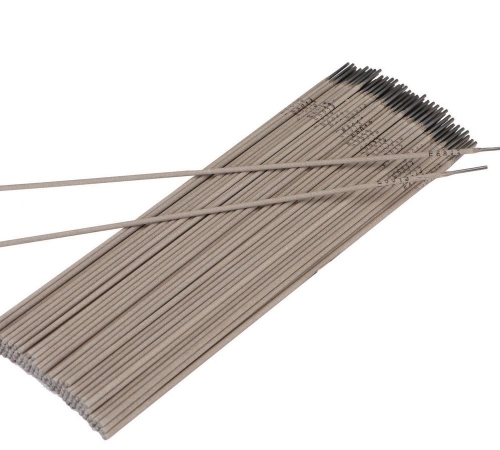
What Exactly Is Welding Slag?
At its core, welding slag is a non-metallic, glassy layer that forms over the weld bead during certain arc welding processes, primarily Shielded Metal Arc Welding (SMAW), known as stick welding, and Submerged Arc Welding (SAW). It is essentially the solidified remnants of the flux coating on an electrode or the granular flux used in these processes. The flux serves multiple critical functions during welding: it protects the molten weld pool from atmospheric contamination (oxygen and nitrogen), stabilizes the arc, and introduces deoxidizers and alloying elements to improve the metallurgical properties of the weld metal.
During the intense heat of the arc, the flux melts and forms a molten pool that floats on top of the heavier molten metal due to its lower density. As the weld pool cools and solidifies, this molten flux also solidifies, creating a protective crust over the newly formed weld bead. This crust is the welding slag. In many cases, it acts as a beneficial protective layer, slowing down the cooling rate of the weld metal, which can reduce the risk of hydrogen embrittlement and improve grain structure. However, if not properly managed or if it becomes entrapped within the weld metal, it can lead to significant defects known as welding slag inclusions. Identifying and removing this residue is a standard procedure in post-weld cleaning, crucial for subsequent passes or finishing operations. Understanding the nature of this by-product is the first step towards achieving optimal weld quality.
Welding Slag Formation: Fundamental Reasons and Influencing Factors
The formation of welding slag is an inherent part of welding processes that utilize flux as a shielding agent. The primary reason for its existence lies in the chemical reactions that occur within the welding arc and the molten pool. The flux, whether in the form of an electrode coating or granular material, contains various compounds designed to react with impurities in the base metal and molten filler metal.
As the intense heat of the arc melts the electrode and base metal, the flux decomposes and ionizes. This creates a protective gaseous shield around the arc and a molten layer over the weld pool. Inside this molten layer, deoxidizers like silicon and manganese react with oxygen present in the molten metal, forming oxides that become part of the molten flux. Similarly, other impurities from the base metal or filler material are absorbed into the flux. This process effectively cleanses the molten metal, ensuring a purer weld. Once the arc passes and the weld pool begins to cool, this molten flux, now laden with impurities and reaction by-products, solidifies into the characteristic crust.
Several factors can influence the characteristics and ease of removal of this weld residue:
- Flux Composition: Different types of fluxes are formulated for specific applications, resulting in varying residue properties (e.g., easily detachable, powdery, or tenacious).
- Welding Parameters: Incorrect current, voltage, travel speed, or arc length can affect the stability of the arc and the fluidity of the molten flux, leading to inconsistent or problematic residue formation.
- Base Metal Impurities: Higher levels of impurities in the base metal can lead to a greater volume of reaction products, potentially resulting in more residue or inclusions.
- Electrode Angle and Manipulation: Improper technique can cause the molten flux to flow incorrectly, leading to entrapment.
Exploring the Types of Welding Slag and Their Characteristics
While the term "welding slag" often brings to mind a single concept, the characteristics of the solidified flux can vary significantly depending on the welding process, flux type, and welding parameters. Broadly, these non-metallic by-products can be categorized by their appearance, composition, and the ease with which they can be removed.
One common distinction is between viscous and fluid residue. Viscous flux residue tends to be thicker and more tenacious, often requiring more effort to remove. This can occur with certain basic fluxes or if welding parameters are not optimized, leading to a less fluid molten pool. Conversely, fluid residue is typically thinner and more brittle, often detaching easily or even self-peeling as the weld cools. Rutile-based fluxes, for example, are known for producing easily removable, often self-peeling, residue.
The appearance of the solidified flux can also provide clues about the welding process and quality:
- Glassy/Shiny: Often indicates good arc stability and proper cooling, common with many rutile or acid fluxes.
- Powdery/Crumbly: Can suggest excessive heat input or certain types of basic fluxes.
- Heavy/Thick: Might point to insufficient travel speed or excessive deposition.
The most critical concern related to this by-product is slag inclusions. These occur when portions of the molten flux become entrapped within the solidifying weld metal, preventing proper fusion. Inclusions are considered weld defects because they create discontinuities in the weld bead, acting as stress concentrators. This significantly reduces the mechanical strength, toughness, and fatigue resistance of the weld. Causes of inclusions include insufficient cleaning between weld passes, improper electrode manipulation, too low a welding current, or an inappropriate electrode angle. Proper understanding and control are vital to prevent these detrimental flaws.
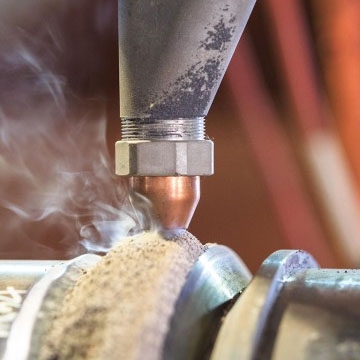
Preventing and Managing Welding Slag for Optimal Weld Integrity
Effective management of welding slag is crucial for producing high-quality, defect-free welds. This involves a combination of careful process control, appropriate material selection, and diligent post-weld practices. For welding supervisors and fabrication buyers, implementing these strategies can lead to significant improvements in reliability and reduced rework.
Prevention begins with selecting the right welding fluxes and electrodes for the specific application. High-quality fluxes are formulated to provide optimal shielding and produce easily removable residue. For instance, Oldwelders offers a range of premium AWS E6013 welding electrodes, known for their excellent arc stability and a residue that is typically easy to detach.
Beyond material choice, precise control over welding parameters is essential:
- Current and Voltage: Ensure settings are appropriate for the material thickness and electrode type, promoting a stable arc and proper molten pool fluidity.
- Travel Speed: Maintain a consistent travel speed; too slow can lead to excessive residue, while too fast might cause insufficient shielding or incomplete fusion.
- Electrode Angle and Manipulation: Use correct angles and weaving techniques to allow the molten flux to flow effectively behind the weld pool, preventing entrapment.
- Base Metal Preparation: Thorough cleaning of the base metal to remove rust, oil, paint, and other contaminants minimizes impurities that could contribute to problematic residue formation.
Post-weld, diligent cleaning is non-negotiable, especially for multi-pass welds. Each pass must be thoroughly deslagged using chipping hammers, wire brushes, or grinders before applying the next bead. This prevents inclusions and ensures proper fusion between layers. Investing in robust welding machines and accessories that support precise parameter control and efficient cleaning further enhances this process.
The Oldwelders Advantage: Ensuring Weld Integrity with Quality Materials and Support
At Oldwelders, we understand that superior weld quality hinges on the reliability of your materials and the expertise backing them. Our comprehensive range of welding solutions, including welding machines, solid wire, and advanced welding fluxes, is engineered to meet the stringent demands of professional fabrication. We pride ourselves on delivering products that minimize issues like problematic welding slag and maximize overall efficiency.
Our commitment to excellence is deeply embedded in our operations. We are an ISO 9001 certified manufacturer, a testament to our rigorous quality management systems. Our state-of-the-art plant, covering an area of 1000 square meters, houses six advanced production lines. This robust infrastructure enables us to maintain an impressive daily supply capacity of 100 tons, ensuring that our partners, whether in Brazil, Thailand, Australia, or Malaysia, receive their orders promptly and consistently.
The quality of our products begins with the raw materials. For our flux products, we meticulously select excellent dolomite, bauxite, cryolite, silica, fluorine ore, and other high-grade ores. These raw materials undergo a precise melting process at 2000 °C, ensuring optimal purity and consistency in the final product. This meticulous approach guarantees that our welding materials contribute to cleaner welds and more manageable residue, thereby reducing the risk of costly defects and rework.
We stand by the quality of our offerings with a 30-day assurance on our products, providing peace of mind for our clients. Whether you require a minimum order of 1 ton of specialized flux or a complete suite of welding equipment, Oldwelders is equipped to be your reliable partner. Our focus is not just on selling products but on providing solutions that enhance your operational success and the integrity of your fabricated structures. With Oldwelders, you gain access to high-performance materials and dedicated support, ensuring your welding projects achieve their highest potential.
Conclusion
Understanding the nature of welding slag is fundamental for any professional involved in fabrication. While a natural outcome of certain welding processes, its effective management is critical to prevent defects and ensure the mechanical integrity of welds. By selecting high-quality materials, controlling welding parameters, and adhering to diligent cleaning practices, you can mitigate the challenges associated with welding slag. Oldwelders is dedicated to supporting your pursuit of excellence with premium welding products and a deep understanding of industry challenges. Partner with us to achieve consistent, high-quality, and robust welds in all your projects.