
Understanding 5-Year Cost for Heavy Machinery SAW
Understanding the Five-Year Cut Cost for Heavy Machinery SAW Investment
In the demanding world of heavy industry, the decision to invest in a new welding machine, particularly a Heavy Machinery SAW, extends far beyond its initial purchase price. For procurement teams and facility owners, a comprehensive understanding of the total cost of ownership over its operational lifespan is critical. This analysis helps justify capital expenditure, optimize budgets, and ensures long-term profitability. This guide will walk you through a detailed framework for calculating the five-year cut cost of your Heavy Machinery SAW, empowering you to make strategic investments that deliver maximum return.
At Oldwelders, we understand that reliability and efficiency are paramount. Our commitment to ISO 9001 quality standards ensures that every product, from welding fluxes to advanced machinery, meets the rigorous demands of industrial applications. Our state-of-the-art plant, covering an area of 1000 square meters with six production lines, is designed to support the continuous operational needs of businesses like yours, supplying up to 100 tons a day of essential materials.
Beyond Initial Investment: The True Cost of Heavy Machinery SAW Ownership
When evaluating a Heavy Machinery SAW, it is easy to focus solely on the sticker price. However, the true financial impact unfolds over years of operation. A 5-year outlook provides a realistic timeframe to assess return on investment (ROI), account for wear and tear, and project budget allocations accurately. This comprehensive view differentiates between capital expenditure (CapEx) and operational expenditure (OpEx), both of which contribute significantly to the total cost per cut.
CapEx refers to the initial, one-time costs associated with acquiring and setting up the machinery. OpEx, on the other hand, encompasses the ongoing expenses required to keep the Heavy Machinery SAW running efficiently. Miscalculating these can lead to unexpected financial burdens and impact production targets. By meticulously examining both categories, you can gain a clear picture of what your Heavy Machinery SAW truly costs to run, ensuring sustainable operation and informed future planning.
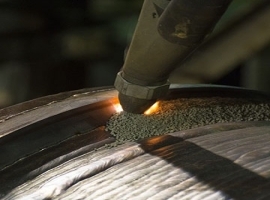
Capital Expenditure Considerations for Your Heavy Machinery SAW
The initial outlay for a new Heavy Machinery SAW forms the foundation of its total cost. These one-time expenses are crucial to quantify accurately before procurement:
Purchase Price
- New vs. Used Equipment: While a used Heavy Machinery SAW might offer a lower entry point, potential hidden maintenance costs or shorter lifespan could negate initial savings. New machines often come with warranties and the latest technology for efficiency.
- Brand and Model Variations: Different manufacturers offer varying features, build quality, and after-sales support, all of which influence the price. Researching reputable brands known for durability and performance is key.
Installation and Commissioning
- Site Preparation: Costs associated with preparing the installation site, including foundation work, electrical upgrades, and ventilation systems.
- Professional Installation: Engaging certified technicians to ensure the machine is set up correctly, calibrated, and functions optimally from day one.
Ancillary Equipment
- Material Handling Systems: Conveyors, cranes, or robotic arms needed to feed raw materials into the SAW and remove finished cuts.
- Safety Features and Enclosures: Investments in safety guards, light curtains, emergency stops, and sound-dampening enclosures to comply with industrial regulations and protect personnel.
- Dust Extraction Systems: Essential for maintaining air quality and preventing equipment damage from airborne particles.
Training Costs
- Operator Training: Ensuring your team is proficient in operating the new Heavy Machinery SAW safely and efficiently, which can reduce errors and downtime.
- Maintenance Training: Equipping your in-house technicians with the knowledge to perform routine maintenance and troubleshoot minor issues, minimizing reliance on external service providers.
Depreciation
While not a direct cash outflow, depreciation is a significant accounting factor that impacts the asset’s book value over its useful life. Understanding how your Heavy Machinery SAW depreciates helps in future asset replacement planning and tax considerations.
Deconstructing Operating Costs for Heavy Machinery SAW Performance
Operating costs are the recurring expenses that keep your Heavy Machinery SAW functioning daily. These ongoing expenditures often constitute the largest portion of the total cost of ownership over five years. Optimizing these can lead to substantial long-term savings.
Consumables and Materials
The quality and consumption rate of welding materials and other consumables directly impact your cost per cut and overall efficiency. At Oldwelders, we focus on providing superior products to minimize waste and maximize performance.
- Welding Wire, Rod, and Fluxes: These are central to any welding operation. High-quality welding fluxes, made from excellent dolomite, bauxite, cryolite, silica, and fluorine ore melted at 2000 °C, ensure consistent results and reduce rework, a critical factor for efficiency. Our ISO 9001 certification underscores our commitment to manufacturing standards that directly benefit your operational output.
- Blades and Abrasives: The lifespan and performance of cutting blades or abrasive discs are vital. Opting for durable, high-performance consumables can extend replacement cycles and maintain cut quality.
- Shielding Gas: For certain welding processes, the cost of shielding gases can be a significant factor. Efficient gas management systems can help reduce consumption.
Energy Consumption
Heavy machinery, especially a powerful Heavy Machinery SAW, can be a significant energy consumer.
- Power Requirements: Understand the electrical demands of your machine. Variations in motor size, cutting speed, and operational duty cycle directly translate to energy usage.
- Efficiency Ratings: Newer models often boast improved energy efficiency. Investing in a machine with better power management can lead to considerable savings on utility bills over five years.
Labor Costs
Human resources represent a substantial ongoing cost.
- Operator Wages: The hourly rate for skilled operators is a direct expense.
- Setup Time vs. Run Time: Machines that are faster to set up or require less intervention during operation can significantly reduce labor hours per cut. Automated Heavy Machinery SAW systems, for instance, can drastically improve labor efficiency compared to manual alternatives.
Maintenance and Repairs
Proper maintenance is key to extending the life of your Heavy Machinery SAW and preventing costly breakdowns.
- Preventative Maintenance Schedules: Regular servicing, lubrication, and inspection are essential. Factor in the cost of these routine services, whether performed in-house or by external technicians.
- Parts Replacement: Components like motors, gears, and electronic controls will eventually wear out. Budget for the cost of replacement parts.
- Downtime Costs: This is often an overlooked expense. When your Heavy Machinery SAW is down for repairs, production stops, leading to lost revenue and potential delays in customer orders. Calculating the cost of lost production per hour is crucial for a realistic assessment.
Overhead and Facility Costs
Some costs are indirect but still attributable to the operation of your Heavy Machinery SAW.
- Space Utilization: The footprint of your machine within your facility incurs a cost, whether through rent or depreciation of owned property. Our own commitment to efficient operations is reflected in our 1000 square meter plant, designed for optimal production flow.
- Insurance: Premiums for machinery insurance, covering damage, theft, or operational liabilities.
A Practical 5-Year Cost Calculation Model for Your Heavy Machinery SAW
To effectively calculate the five-year cut cost, integrate all the CapEx and OpEx elements into a structured model. Here’s a simplified approach:
- Sum All Capital Expenditures: Add up the purchase price, installation, ancillary equipment, and initial training costs.
- Estimate Annual Operating Costs: Project the yearly expenses for consumables, energy, labor, maintenance, and overhead. Be as realistic as possible, using historical data or vendor estimates.
- Calculate Total 5-Year Operating Costs: Multiply the estimated annual operating costs by five.
- Determine Total 5-Year Cost of Ownership: Add the total capital expenditures to the total 5-year operating costs.
- Project 5-Year Production Volume: Estimate the total number of cuts or units produced by the Heavy Machinery SAW over the five-year period. This requires understanding your production demands and machine efficiency.
- Calculate Cost Per Cut: Divide the Total 5-Year Cost of Ownership by the Projected 5-Year Production Volume. This metric provides a tangible benchmark for decision-making.
Example (Simplified):
| Cost Category | 5-Year Estimate |
|---|---|
| Initial Purchase & Installation (CapEx) | $150,000 |
| Consumables (OpEx - 5 years) | $75,000 |
| Energy (OpEx - 5 years) | $30,000 |
| Labor (OpEx - 5 years) | $120,000 |
| Maintenance & Repairs (OpEx - 5 years) | $40,000 |
| Total 5-Year Cost of Ownership | $415,000 |
| Projected 5-Year Production Volume | 1,000,000 cuts |
| Cost Per Cut | $0.415 |
This model allows you to compare different Heavy Machinery SAW options on a consistent, cost-per-unit basis, revealing which investment truly offers the best long-term value. Consider factors like our production capacity of 100 tons a day and our typical 30-day lead time for certain products, which contribute to a reliable supply chain, a crucial element for consistent production volume and accurate cost projections. Our global reach, serving markets such as Brazil, Thailand, Australia, and Malaysia, further underscores our capability to support diverse industrial needs.
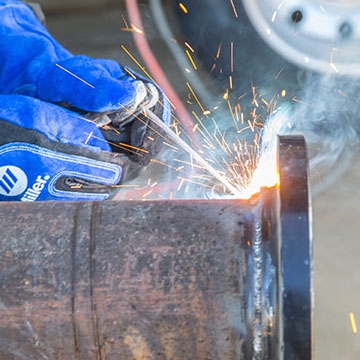
Partnering for Long-Term Value in Heavy Machinery SAW Operations
Choosing the right supplier for your Heavy Machinery SAW and its associated welding materials is as critical as the machine itself. A reliable partner can significantly influence your five-year cut cost by providing quality products, consistent supply, and expert support.
- Quality Assurance: Suppliers with rigorous quality control, like Oldwelders' ISO 9001 certification, ensure that components and consumables perform as expected, reducing defects and reworks. This directly impacts your labor and material costs.
- Supply Chain Reliability: Consistent availability of welding wire, welding rod, and high-quality welding fluxes prevents costly production delays. Our capability to supply 100 tons of flux products daily, with specific raw materials like dolomite and bauxite melted at 2000 °C, ensures that your operations are never hindered by material shortages. Our minimum order quantity (MOQ) of 1 ton supports various project scales, catering to both large industrial demands and more specialized requirements.
- Technical Expertise: A knowledgeable partner can offer insights into optimizing machine performance, selecting the right consumables for specific applications, and troubleshooting issues, further contributing to efficiency and cost savings. Our expertise across various welding machine types, from arc welding to specialized high-grade energy welding, positions us as a comprehensive resource for your industrial needs.
By meticulously calculating the five-year cut cost, you transform a complex investment decision into a clear, data-driven strategy. This detailed analysis not only optimizes your budget but also positions your operations for sustained productivity and competitiveness in the market. Oldwelders is committed to providing the quality products and reliable service that form the backbone of efficient and cost-effective Heavy Machinery SAW operations globally.