
Understanding Welding Flux: Types, Slag, Storage
Understanding Welding Flux: Types, Slag Characteristics, and Proper Storage for Optimal Performance
In the intricate world of welding, achieving strong, durable, and aesthetically pleasing joints relies on a combination of skilled craftsmanship, advanced machinery, and high-quality consumables. Among these, welding flux plays a pivotal, often underestimated, role. It is far more than just a protective layer; it is an active participant in the welding process, influencing everything from arc stability to the final mechanical properties of the weld.
For welders and purchasing professionals alike, a comprehensive understanding of different flux types, the nature of slag formation, and critical storage requirements is essential. This article delves into these key aspects, providing insights into how proper selection and handling of these materials can significantly enhance welding quality and operational efficiency.
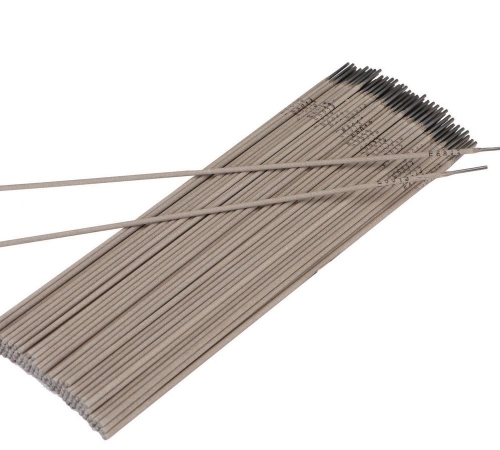
Defining the Core Function of Welding Flux
At its heart, flux is a non-metallic material used in various welding processes, primarily in submerged arc welding (SAW), flux-cored arc welding (FCAW), and shielded metal arc welding (SMAW), where it coats electrodes or is fed as an independent granular material. Its primary functions are multifaceted and critical for the success of a weld:
- Shielding the Arc and Weld Pool: During welding, the molten metal is highly reactive with atmospheric gases like oxygen and nitrogen, which can lead to porosity, brittleness, and reduced strength. Flux decomposes under the heat of the arc, producing a protective gas shield that prevents these harmful reactions.
- Stabilizing the Arc: The chemical composition of the flux helps to ionize the arc, creating a more stable and consistent arc. This stability is crucial for smooth metal transfer and uniform penetration.
- Deoxidizing and Cleaning the Weld Pool: Fluxes contain deoxidizers that react with impurities in the molten metal, such as oxides and nitrides, bringing them to the surface where they become part of the slag. This cleaning action results in a purer weld metal.
- Alloying the Weld Metal: Certain fluxes are designed with specific alloying elements that transfer into the weld pool, enhancing the mechanical properties of the final weld, such as strength, toughness, or corrosion resistance.
- Shaping the Weld Bead: The physical properties of the molten slag influence the shape of the weld bead, helping to control its contour and appearance.
Understanding these fundamental roles highlights why the choice and condition of welding fluxes are paramount for achieving high-quality results in any welding operation.
Exploring Diverse Flux Formulations and Their Applications
The world of flux is rich with variations, each tailored for specific welding processes, base metals, and desired weld properties. Different formulations are engineered to perform under diverse conditions, making selection a critical step in the welding process.
Manufacturing Methods of Flux
Fluxes are primarily categorized by their manufacturing process, which significantly impacts their properties:
- Fused Fluxes: These are produced by melting raw materials at high temperatures (often exceeding 1500°C), then crushing and sieving the resulting glass-like product. Fused fluxes offer excellent homogeneity, low moisture pickup, and consistent chemical composition. They are often favored for high-current, demanding applications.
- Agglomerated Fluxes: Made by mixing finely ground raw materials with a binder (like potassium silicate or sodium silicate) and then baking the mixture at lower temperatures (typically 500-800°C). This process allows for easier incorporation of deoxidizers and alloying elements. Agglomerated fluxes are versatile and widely used, though they can be more susceptible to moisture pickup than fused types.
- Bonded Fluxes: Similar to agglomerated fluxes but often using organic binders and cured at even lower temperatures. These fluxes allow for a wide range of alloying additions and are often used in specialized applications.
Categorization by Chemical Activity
Fluxes are also classified by their chemical activity during welding:
- Active Fluxes: These fluxes contain significant amounts of manganese oxide (MnO) and silicon dioxide (SiO₂), which actively react with the molten weld pool. They are effective at deoxidizing and can increase manganese and silicon content in the weld metal, enhancing strength. However, their active nature means they are generally used for single-pass or limited multi-pass welding to avoid excessive alloying.
- Neutral Fluxes: Designed to have minimal chemical interaction with the weld pool, these fluxes are preferred for multi-pass welding or when precise control over weld metal chemistry is required. They primarily provide shielding and arc stability without significantly altering the weld's composition.
Common Applications and Specific Flux Types
The application dictates the specific flux type. For instance, in submerged arc welding, specialized granular fluxes are used. An example is submerged arc welding flux HJ431, which is formulated for specific mechanical properties and welding characteristics. Similarly, for shielded metal arc welding, the electrode itself is coated with flux, such as in AWS E6013 welding electrodes, where the coating provides shielding and slag formation.
Oldwelders understands the diverse needs across industries and geographies, from Brazil to Thailand, Australia, and Malaysia. Our production facility, spanning 1000 square meters with six production lines, is geared to produce a wide array of flux products and welding materials, ensuring we meet the specific requirements of various applications and markets.
Managing Slag: Crucial for Weld Integrity
Slag is an inevitable byproduct of many flux-based welding processes, forming a protective, non-metallic layer over the solidified weld bead. While often seen as a nuisance that requires removal, slag plays several beneficial roles during welding.
The Formation and Benefits of Slag
As the molten flux cools over the weld, it solidifies into slag. This layer serves critical functions:
- Protection during Cooling: It continues to shield the hot weld from atmospheric contamination as it cools, preventing oxygen and nitrogen absorption which could lead to embrittlement.
- Controlling Cooling Rate: Slag acts as an insulating blanket, slowing down the cooling rate of the weld metal. This controlled cooling can improve the metallurgical properties of the weld, reducing hardness and preventing cracking.
- Shaping the Weld Bead: The viscosity and surface tension of the molten slag influence the final shape and contour of the weld bead, helping to create a smooth, aesthetically pleasing profile.
- Collecting Impurities: As mentioned, deoxidizers in the flux draw impurities from the molten metal into the slag layer, resulting in a cleaner weld.
Characteristics of Good Slag vs. Problematic Slag
A well-performing flux produces slag with desirable characteristics:
- Easy Removability: Ideal slag detaches easily from the weld bead, often in large, coherent pieces, minimizing post-weld cleaning effort.
- Smooth and Uniform Appearance: Good slag typically has a consistent texture and covers the weld evenly.
- No Inclusions: The slag should not become trapped within the weld metal, as slag inclusions can act as stress concentrators and reduce the weld's mechanical strength.
Problematic slag, conversely, might be difficult to remove, adhere strongly to the weld, or even contain trapped pockets within the weld metal. This often indicates issues with the flux quality, welding parameters, or base material impurities. Proper post-weld cleaning and inspection are essential to ensure that all slag is removed, preventing potential defects and preparing the surface for subsequent coatings or operations.
Ensuring Quality: Proper Storage and Handling of Flux Materials
The performance of any welding consumable, especially flux, is highly dependent on its condition prior to use. Improper storage and handling can severely compromise the flux's ability to perform its intended functions, leading to costly weld defects and rework. Moisture absorption is the most significant threat to flux quality.
The Dangers of Moisture Absorption
Fluxes, particularly agglomerated and bonded types, are hygroscopic, meaning they readily absorb moisture from the atmosphere. When moisture-laden flux is used, the water decomposes in the arc, releasing hydrogen. Hydrogen can dissolve into the molten weld metal and, upon cooling, lead to:
- Hydrogen Embrittlement: This causes the weld metal to become brittle and prone to cracking, especially in high-strength steels.
- Porosity: Trapped hydrogen gas can form voids or pores within the weld, weakening the joint.
- Arc Instability: Moisture can lead to an erratic arc, making welding more difficult and inconsistent.
Best Practices for Storage and Handling
To mitigate these risks, strict protocols for storing and handling flux are necessary:
- Dry Storage Environment: Fluxes should always be stored in a dry, temperature-controlled environment. Relative humidity should be kept low, ideally below 50%.
- Sealed Containers: Whenever possible, keep flux in its original, sealed packaging until immediately before use. Once opened, transfer unused flux to airtight containers.
- Elevated Temperatures (for certain types): For some types, particularly those used in critical applications, storage in heated cabinets or ovens (flux drying ovens) is recommended to maintain dryness. These ovens keep the flux at a specific holding temperature, preventing moisture reabsorption.
- Rebaking/Redrying Procedures: If flux has been exposed to the atmosphere for an extended period or is suspected of moisture pickup, it often requires rebaking or redrying according to manufacturer specifications. This involves heating the flux to a specific temperature for a prescribed duration to drive out absorbed moisture. These procedures are critical for maintaining weld integrity, especially for low-hydrogen applications.
- First-In, First-Out (FIFO): Implement a system to ensure older stock is used before newer stock to prevent materials from sitting for too long and potentially degrading.
- Avoid Contamination: Keep flux away from oil, grease, dirt, and other contaminants that can introduce impurities into the weld.
Adherence to these storage and handling guidelines is not merely a recommendation; it is a fundamental requirement for consistent weld quality and achieving the expected performance from your arc welding machine and consumables.
Oldwelders: Your Partner in Quality Welding Consumables Supply
At Oldwelders, we understand that the reliability of your welding operation hinges on the quality of every component, especially critical consumables like flux. Our commitment to excellence is deeply embedded in our manufacturing processes and customer service, providing peace of mind to welders and purchasing teams globally.
Unwavering Commitment to Quality and Standards
Our dedication to quality is underscored by our ISO 9001 certification, a testament to our rigorous quality management systems. This certification ensures that every batch of material, from raw input to finished product, adheres to stringent international standards. We source only excellent raw materials for our flux products, including dolomite, bauxite, cryolite, silica, and fluorine ore, which are meticulously melted at 2000 °C to achieve the precise chemical properties required for superior performance.
Robust Production Capacity and Global Reach
With a state-of-the-art plant covering an area of 1000 square meters and equipped with six advanced production lines, Oldwelders boasts a formidable daily production capacity of 100 tons. This extensive capacity allows us to efficiently fulfill orders, with a typical lead time of just 30 days for many products, and handle minimum order quantities starting from 1 ton. This operational scale ensures consistent supply, even for large-scale industrial projects.
Our reach extends to key markets worldwide, including Brazil, Thailand, Australia, and Malaysia, demonstrating our capability to support diverse industrial needs across continents. Whether you require specific welding rods, various types of solid wire, or advanced flux-cored wire, our comprehensive product range and logistical expertise ensure timely and reliable delivery.
Comprehensive Product Range for Every Welding Need
Beyond flux, Oldwelders is a holistic provider of essential welding solutions. Our extensive catalog includes a wide variety of welding machines, from automatic welding machine options to specialized special welding machine models. We also supply a full spectrum of welding consumables, including high-performance welding wire and robust welding rods, alongside crucial welding accessories. This broad offering allows our clients to consolidate their procurement, simplifying logistics and ensuring compatibility across their welding operations.
Choosing Oldwelders means partnering with a supplier committed to delivering not just products, but solutions that enhance your welding productivity, safety, and the overall quality of your finished work. Our expert team is ready to assist you in selecting the right products that align with your specific technical requirements and project timelines.
Conclusion
The effective use of flux is indispensable for achieving high-quality welds in numerous industrial applications. From understanding its fundamental roles in shielding and deoxidation to navigating the complexities of different types and managing slag, a knowledgeable approach is key. Crucially, recognizing the significant impact of proper storage and handling on flux performance cannot be overstated, as it directly influences weld integrity and cost efficiency.
As a trusted ISO 9001 certified manufacturer with a robust production capacity of 100 tons per day and a global presence, Oldwelders is dedicated to supplying superior welding consumables. Our commitment to quality, combined with our comprehensive product range and efficient delivery, makes us an ideal partner for businesses seeking reliable and high-performance welding solutions for their diverse needs.