
Matching Hardfacing Electrodes for Impact Wear
Matching Hardfacing Electrodes for Optimal Performance in Impact Wear Conditions
In demanding industrial environments, components are constantly subjected to severe wear, leading to costly downtime and premature equipment failure. While abrasion is a common culprit, the presence of significant impact forces introduces a complex challenge, often leading to incorrect material selection. Choosing the right electrode for hardfacing applications is paramount, especially when components encounter both abrasive and impact wear. A high-hardness deposit, while excellent for pure abrasion, can be brittle and prone to cracking under repeated impact, ultimately failing prematurely. Understanding the specific wear mechanisms and matching them with the appropriate alloy characteristics is key to maximizing component lifespan and operational efficiency.
At Oldwelders, we understand these intricate challenges. As an ISO 9001 certified manufacturer, we are committed to delivering welding solutions that meet the highest standards of quality and performance. Our expertise extends across a comprehensive range of welding materials, including specialized hardfacing solutions designed to withstand the toughest conditions encountered in industries worldwide.
Understanding Wear Mechanisms in Industrial Applications
Effective hardfacing begins with a thorough understanding of the specific wear mechanisms at play. Industrial components in sectors like mining, quarrying, construction, and agriculture often face a combination of different wear types, each requiring a tailored solution.
Abrasion Wear: The Dominant Force
Abrasion occurs when hard, sharp particles slide or rub against a surface, removing material. This can be two-body abrasion (e.g., sand against steel) or three-body abrasion (e.g., particles trapped between two moving surfaces). High-hardness deposits, typically rich in carbides, are exceptionally effective against this type of wear. Examples include excavator bucket teeth, conveyor screws, and grizzly bars.
Impact Wear: The Hidden Destroyer
Impact wear, on the other hand, involves sudden, high-energy blows that deform or fracture the material. This can range from low-stress pounding to severe, localized impacts. Components like crusher rolls, hammer mill parts, and shovel lips frequently experience significant impact. Materials that are extremely hard but lack toughness will quickly spall, chip, or crack when subjected to these forces, negating any benefit derived from their hardness. The challenge lies in finding a balance between wear resistance and the ability to absorb impact energy without fracturing.
Combined Wear: The Ultimate Test
Many real-world applications present a combination of both abrasion and impact. For instance, a rock crusher roll simultaneously experiences abrasive wear from the crushing action and impact from larger rocks. Similarly, an excavator bucket lip is subjected to abrasive digging and impacts from striking obstacles. Selecting a Hardfacing Electrode that can adequately resist both mechanisms is crucial for optimal performance and longevity. Ignoring the impact component will inevitably lead to premature failure, regardless of how high the hardness of the deposit.
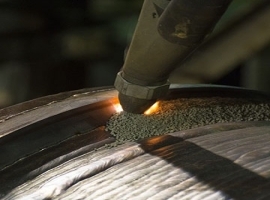
The Critical Role of Hardfacing Electrode Selection
The choice of electrode is the single most important factor in determining the success of a hardfacing application. A common misconception is that "harder is always better." While true for pure abrasive wear, this philosophy is detrimental when impact is present. The metallurgical properties of the deposited weld metal dictate its resistance to specific wear types.
Balancing Hardness and Toughness
Hardness is a material's resistance to permanent indentation, while toughness is its ability to absorb energy and deform plastically before fracturing. In hardfacing, these two properties often have an inverse relationship: increasing hardness typically reduces toughness. For impact applications, a certain level of toughness is non-negotiable. The goal is to select a Hardfacing Electrode that provides sufficient hardness for abrasion resistance while maintaining enough toughness to withstand the anticipated impact forces.
Common Hardfacing Alloy Types for Impact Applications
- Martensitic Steels: These alloys offer a good balance of hardness and toughness. They typically contain chromium and carbon, forming a hard martensitic microstructure upon cooling. They are excellent for moderate to severe abrasion with moderate impact, commonly used on excavator buckets, agricultural implements, and crusher components.
- Austenitic Manganese Steels: Known for their exceptional work-hardening properties, these alloys are relatively soft as-deposited but become extremely hard under impact. They are ideal for applications involving high impact with moderate abrasion, such as crusher jaws, railway frogs, and impact hammer tips. Their ability to absorb energy and deform without fracturing makes them a top choice for severe impact conditions.
- Chromium Carbide: While primarily designed for extreme abrasion, some chromium carbide formulations can offer reasonable impact resistance, particularly when alloyed with other elements or applied in specific multi-layer techniques. They are characterized by a high volume of hard chromium carbides in an austenitic matrix. Best suited for severe abrasion with low to moderate impact, such as chute liners, pugmill paddles, and fan blades.
- Complex Carbides: These alloys contain a mix of chromium, niobium, vanadium, and tungsten carbides, offering enhanced wear resistance across a broader range of conditions than pure chromium carbides. Their performance under impact varies significantly with specific alloy composition.
Our commitment to quality ensures that whether you need a specialized welding flux or a robust welding machine, all our products adhere to stringent manufacturing standards. This dedication is reflected in the consistent performance of our hardfacing solutions, trusted by businesses in target markets like Brazil, Thailand, Australia, and Malaysia.
Strategies for Selecting the Right Hardfacing Electrode for Impact Service
The selection process for a Hardfacing Electrode must be systematic, considering all aspects of the service environment.
Step-by-Step Selection Process
- Identify Primary Wear Mechanism: Is it predominantly abrasion, impact, or a combination? Quantify the severity of each.
- Assess Component Material: The base metal plays a role in preheating, interpass temperature, and dilution.
- Consider Service Temperature: Elevated temperatures can affect the metallurgy and performance of hardfacing alloys.
- Evaluate Deposit Thickness: Thicker deposits may require specific alloys or multi-layer techniques to manage internal stresses and prevent cracking.
- Determine Desired Lifespan: Balance cost with the expected increase in component life.
Prioritizing Toughness for Impact
When impact is a significant factor, prioritize alloys with higher toughness ratings. Martensitic and austenitic manganese steels are often the first choice. For example, a martensitic Hardfacing Electrode might be chosen for excavator bucket teeth that experience both digging abrasion and occasional rock impacts. If the impact is extremely severe, an austenitic manganese deposit might serve as a buffer layer before applying a harder, more abrasive-resistant top layer.
Multi-Layer Hardfacing Techniques
For complex wear scenarios involving both extreme abrasion and severe impact, a multi-layer approach can be highly effective. This involves applying a tough, impact-resistant buffer layer (e.g., austenitic manganese or a tough martensitic steel) directly to the base metal, followed by one or more layers of a harder, abrasion-resistant alloy (e.g., chromium carbide or complex carbide). This strategy leverages the strengths of different alloys, providing both impact resilience and surface hardness.
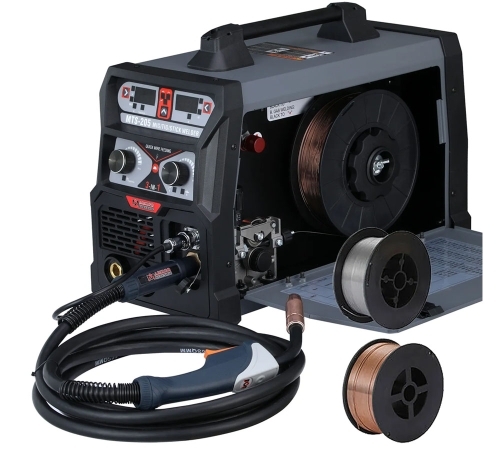
Oldwelders' Expertise in Hardfacing Solutions
At Oldwelders, we pride ourselves on being a reliable partner for industrial businesses globally. Our comprehensive product range, which includes advanced welding machines, wires, rods, and fluxes, is backed by extensive metallurgical knowledge and manufacturing capabilities.
Manufacturing Excellence and Capacity
Our state-of-the-art plant covers an area of 1000 square meters and houses six production lines. This allows us to maintain a substantial production capacity, capable of supplying up to 100 tons of product per day. This significant output ensures that we can meet the demands of large-scale industrial operations and maintain consistent supply for our clients in Brazil, Thailand, Australia, Malaysia, and beyond. Whether you require a specialized Hardfacing Electrode or other welding consumables, our efficient production processes are geared to deliver.
Quality Assurance and Raw Materials
Quality is at the core of everything we do. Our ISO 9001 certification underscores our commitment to maintaining rigorous quality control across all manufacturing stages. For our flux products, for instance, we utilize excellent raw materials such as dolomite, bauxite, cryolite, silica, and fluorine ore, which are melted at precisely controlled temperatures of 2000 °C. This meticulous attention to raw material selection and processing ensures the superior performance and reliability of all our welding consumables, including the critical components used in our hardfacing solutions.
Customer-Centric Approach
We understand that every application is unique. Our technical team is equipped to provide expert guidance, helping you analyze your specific wear conditions and recommend the most suitable Hardfacing Electrode. We work closely with our clients to ensure they select the optimal solution, maximizing performance and minimizing operational costs. With a minimum order quantity (MOQ) of just 1 ton, we are structured to support both large industrial enterprises and specialized repair shops seeking high-quality hardfacing materials.
Practical Application and Maintenance Considerations
Proper application and maintenance are as crucial as selecting the correct Hardfacing Electrode for achieving desired results and extending component life.
Surface Preparation
Before hardfacing, the component's surface must be thoroughly cleaned. Remove all grease, oil, rust, paint, and existing cracked or spalled hardfacing. Grinding or machining the surface to sound base metal is often necessary. Proper preparation prevents porosity, lack of fusion, and other weld defects, ensuring a strong metallurgical bond between the hardfacing deposit and the base metal.
Preheating and Interpass Temperature
Many hardfacing applications, especially on high-carbon or alloy steels, require preheating to prevent cracking. Preheating reduces the cooling rate of the weld metal and the heat-affected zone, minimizing thermal stresses. Maintaining appropriate interpass temperatures between weld beads is also critical to ensure consistent metallurgical properties throughout the deposit and avoid excessive heat buildup or rapid cooling.
Welding Techniques
The welding technique employed can significantly influence the performance of the hardfacing layer. Stringer beads generally produce harder deposits with less dilution, while weave beads can cover larger areas more quickly but may result in higher dilution with the base metal. The choice depends on the desired deposit properties, thickness, and component geometry. Proper travel speed, amperage, and voltage are essential for achieving a sound, uniform deposit.
Post-Weld Treatment
Depending on the alloy and application, post-weld heat treatment may be required to achieve specific properties, such as stress relief or temper hardening. Slow cooling, often by covering the component with insulating blankets, is also a common practice to prevent cracking in sensitive materials.
Regular Inspection and Re-Application
Hardfaced components should be regularly inspected for wear. Early detection of wear can allow for timely re-application of hardfacing, preventing catastrophic failure and extending the overall life of the component. Proactive maintenance with the right Hardfacing Electrode can significantly reduce overall operating expenses.
Conclusion
Selecting the correct Hardfacing Electrode for applications involving impact wear is a nuanced decision that demands a deep understanding of metallurgy and specific service conditions. By carefully analyzing the balance between abrasion and impact, and choosing alloys that offer the necessary combination of hardness and toughness, businesses can significantly extend the lifespan of critical components, reduce maintenance costs, and improve operational efficiency.
Oldwelders stands ready as your trusted partner in providing superior welding solutions. Our ISO 9001 certified manufacturing processes, extensive production capacity of 100 tons per day, and commitment to using only the finest raw materials ensure that our products, including our specialized hardfacing electrodes, meet the highest global standards. With a focus on serving diverse markets such as Brazil, Thailand, Australia, and Malaysia, we offer not just products, but also the technical expertise to help you navigate your most challenging wear problems. Contact us today to discuss your hardfacing requirements and discover how our solutions can empower your operations.