
Sourcing a Welding Machine for Export Projects
Sourcing the Right Welding Machine for Your International Projects Requires Strategic Planning.
For B2B buyers and fabrication equipment importers, the process of sourcing a welding machine for export projects demands a meticulous approach. The success of international endeavors hinges not only on the quality of the equipment itself but also on the reliability of the supplier, adherence to global standards, and efficient logistical execution. This comprehensive guide outlines the critical considerations for evaluating potential partners and securing the ideal equipment for your overseas operations.
Understanding Your Project's Specific Requirements
Before initiating contact with suppliers, a thorough understanding of your project's technical specifications and operational environment is paramount. Different applications necessitate distinct types of welding technology. For instance, heavy industrial fabrication might require robust arc welding machine, while precision work could lean towards advanced mig-mag-tig welding machine. Consider the materials to be welded, the required throughput, power availability at the destination, and the skill level of the operators. These factors will dictate the specific features, power output, duty cycle, and perhaps even the automation capabilities you will need in your equipment.
Beyond the technical aspects, consider the environmental conditions of the export market. Extreme temperatures, humidity, or dust can impact equipment performance and longevity. Discuss these factors with potential suppliers to ensure the chosen plastic welding machine or industrial unit is designed or can be adapted to withstand such challenges. Furthermore, assess the need for portability, specialized fixtures, or integration with existing production lines. A clear, detailed specification document will serve as your foundation for effective communication with manufacturers, preventing misunderstandings and ensuring that proposals align precisely with your needs.
Evaluating Supplier Capabilities and Quality Standards
The credibility and capabilities of your chosen supplier are as crucial as the machine itself. A reputable manufacturer will possess not only the technical expertise to produce high-quality equipment but also the organizational infrastructure to manage international transactions seamlessly. Begin by verifying their certifications and quality management systems. For instance, Oldwelders operates under ISO 9001 certification, which assures adherence to internationally recognized quality management standards throughout our manufacturing processes. This commitment to quality is fundamental for B2B buyers seeking consistent product performance and reliability for their export projects.
Examine the supplier's production capacity and manufacturing processes. A large-scale operation often indicates stability and the ability to meet significant order volumes. Our plant, for example, covers an area of 1000 square meters and is equipped with six production lines. This robust infrastructure not only supports the manufacture of a diverse range of welding machines but also enables us to produce up to 100 tons of flux products daily, utilizing excellent raw materials such as dolomite, bauxite, and cryolite, melted at 2000 °C. This scale ensures that we can handle both large and small orders efficiently, maintaining consistent supply for our global clients.
Assessing Product Range and Material Expertise
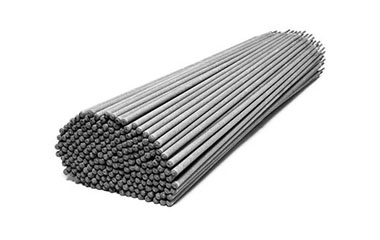
A comprehensive product range from a single supplier can streamline your sourcing process. Beyond just welding machines, consider suppliers who also offer a full suite of welding materials, including welding wire, welding rod, and welding fluxes. This integrated approach simplifies procurement and ensures compatibility between your equipment and consumables, which is vital for achieving optimal weld quality. Inquire about the raw materials used in their flux products, as the quality of these components directly impacts the performance of the weld. Our fluxes, for instance, are produced from high-grade dolomite, bauxite, cryolite, silica, and fluorine ore, melted at 2000 °C, ensuring superior quality and performance.
Request references and case studies, especially those pertaining to export projects in your target regions, such as Brazil, Thailand, Australia, or Malaysia. A supplier with a proven track record in these markets demonstrates a practical understanding of region-specific requirements and logistical challenges. Review their after-sales support, including warranty terms, availability of spare parts, and technical assistance. For Oldwelders, we typically offer a 30-day period for addressing initial product concerns, highlighting our commitment to customer satisfaction and support.
Logistics, Lead Times, and After-Sales Support for Export
International shipping and logistics are complex, involving customs regulations, freight forwarding, and varying delivery timelines. A supplier experienced in export will be adept at navigating these challenges, offering clear guidance and efficient processes. Discuss lead times explicitly, as these can vary significantly based on order volume, product customization, and shipping destination. For many of our standard products, Oldwelders aims for a lead time of 30 days, which helps clients plan their project timelines with confidence. This efficiency is critical for projects with tight deadlines, ensuring that your equipment arrives when needed.
Beyond delivery, robust after-sales support is non-negotiable for export projects. Consider the availability of technical support, spare parts, and service networks in the destination country. Unexpected breakdowns can lead to costly downtime, making prompt and effective support invaluable. Inquire about training programs for your operators or maintenance staff, which can be crucial for maximizing the lifespan and performance of your new equipment. A supplier committed to long-term partnership will provide comprehensive support throughout the equipment's operational life.
Ensuring Compliance and Documentation
Exporting equipment to different countries requires strict adherence to international trade regulations, safety standards, and documentation requirements. Your supplier should be knowledgeable about these aspects and capable of providing all necessary certifications, such as CE, UL, or country-specific approvals. Accurate and complete documentation, including commercial invoices, packing lists, certificates of origin, and inspection reports, is essential for smooth customs clearance and avoiding delays or penalties. Verify that your supplier has a system in place for managing this paperwork efficiently for each export destination.
Beyond the Machine: Comprehensive Welding Solutions
While the primary focus is often on the welding machine itself, a holistic approach to sourcing involves considering the entire welding ecosystem. This includes not only the equipment but also compatible electrode, solid wire, flux-cored wire, and welding accessories. Partnering with a supplier that can provide a complete solution ensures seamless integration and optimal performance across all components. For example, selecting the right submerged arc welding flux hj431 in conjunction with your arc welder is critical for achieving specific weld properties and efficiency.
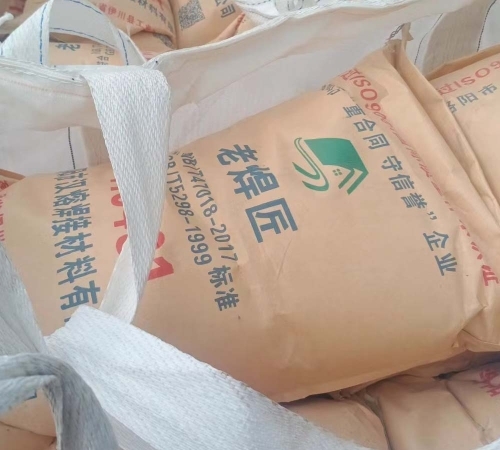
Consider the long-term cost of ownership, which encompasses not just the initial purchase price but also energy consumption, maintenance, and the cost of consumables. A high-quality, energy-efficient machine from a reputable manufacturer like Oldwelders can offer significant savings over its operational lifespan despite a potentially higher upfront investment. Engaging with suppliers who offer training and technical support can also reduce operational costs by ensuring proper equipment usage and maintenance, thereby minimizing breakdowns and extending equipment life.
For large-scale projects, especially those involving significant fabrication or construction, the consistency and availability of welding consumables are just as important as the machine's reliability. A supplier with robust production capabilities, such as Oldwelders' ability to produce 100 tons of flux daily, offers a significant advantage in ensuring uninterrupted supply chains for your projects. This reliability is particularly vital for projects in remote locations or those with tight schedules, where delays in material delivery can have substantial financial implications.
Conclusion
Sourcing a welding machine for export projects is a multifaceted process that extends beyond mere product specifications. It requires a strategic evaluation of supplier credibility, manufacturing capabilities, logistical expertise, and comprehensive after-sales support. By prioritizing factors such as ISO 9001 certification, robust production capacity, efficient lead times, and a proven track record in international markets, B2B buyers can confidently select a partner capable of meeting their global project demands. Oldwelders stands ready to be that reliable partner, offering a full range of high-quality welding solutions backed by extensive experience in serving diverse markets worldwide.