
Sourcing High-Quality Stainless Steel Rod for Machining
How to Effectively Source Stainless Steel Rod for Your Machining Operations
For procurement managers and machining buyers, sourcing the right raw materials is the foundation of a successful production run. The quality, consistency, and machinability of your stock directly impact cycle times, tool life, and the final integrity of the manufactured component. Among the most versatile and critical materials is the stainless steel rod, prized for its corrosion resistance, strength, and aesthetic finish. However, navigating the global supply chain to find a reliable partner can be complex. This guide provides a comprehensive framework for evaluating suppliers and making an informed sourcing decision that aligns with your technical requirements and production goals.
The process extends beyond simply comparing prices. It involves a detailed assessment of material grades, supplier manufacturing capabilities, quality control systems, and logistical expertise. A strategic sourcing decision can yield significant long-term benefits, including reduced manufacturing costs, improved product quality, and a more resilient supply chain. Conversely, a poor choice can lead to production delays, material wastage, and reputational damage. By understanding the key variables, you can establish a robust procurement strategy that ensures you receive high-quality material, on time and to your exact specifications.
Understanding Grades and Their Impact on Machinability
The first step in the sourcing process is to define the precise grade of stainless steel required for your application. The term "stainless steel" encompasses a wide family of alloys, each with a unique chemical composition and distinct mechanical properties. The choice of grade is not arbitrary; it is dictated by the end-use environment of the machined part, the required strength, and, crucially, its machinability.
Austenitic Grades (e.g., 304, 316)
The 300 series are the most common austenitic stainless steels. Grade 304 is often called the "workhorse" due to its excellent combination of corrosion resistance and formability. Grade 316 contains molybdenum, which provides superior resistance to chlorides and other corrosive agents, making it ideal for marine, chemical, and medical applications. While versatile, austenitic grades are known for being "gummy" during machining. They tend to work-harden rapidly, which can lead to increased tool wear and difficulty in achieving a fine surface finish. Sourcing from a supplier who can provide consistent material chemistry is critical to managing these machining challenges.
Ferritic Grades (e.g., 430)
Ferritic grades have lower carbon content and do not contain nickel, making them less expensive than their austenitic counterparts. They are magnetic and offer good corrosion resistance, though generally less than the 300 series. Grade 430 is a popular choice for automotive trim and appliance interiors. From a machining perspective, ferritic grades do not work-harden to the extent of austenitic grades and typically exhibit better machinability, allowing for higher cutting speeds and improved tool life.
Martensitic Grades (e.g., 410, 420)
Martensitic stainless steels can be heat-treated to achieve very high levels of hardness and strength. Grade 410 offers good corrosion resistance combined with high strength, making it suitable for fasteners, turbine parts, and cutlery. Their hardness presents a significant machining challenge, requiring rigid machine setups, sharp tooling, and carefully controlled cutting parameters. The quality of the raw bar stock is paramount, as inconsistencies in hardness can lead to premature tool failure and scrapped parts.
When specifying your material, provide your supplier with detailed information about your machining processes and the final application. A knowledgeable supplier can offer guidance on the optimal grade and may even provide material certifications that detail the chemical composition and mechanical properties of each batch, ensuring traceability and consistency.
Evaluating Supplier Capabilities: From Production to Quality Assurance
Once you have identified the appropriate grade, the next critical phase is to vet potential suppliers. A supplier's capabilities extend far beyond their ability to provide a competitive price. You are entering a partnership that impacts your entire production line, so a thorough evaluation of their operational capacity, quality management systems, and logistical reliability is essential.
Production Capacity and Scalability
Your supplier must be able to meet your volume requirements without compromising on quality or lead times. Inquire about their manufacturing infrastructure. For example, a supplier with a plant covering 1000 square meters, equipped with six production lines, demonstrates a significant investment in their operations. A facility capable of supplying 100 tons per day has the capacity to handle large, recurring orders and can scale with your business as it grows. Also, clarify their minimum order quantity (MOQ). For many industrial suppliers, an MOQ of around 1 ton is standard for international shipments, which is an important factor for planning your inventory and procurement cycles.
Quality Management Systems
Consistent material quality is non-negotiable. The most direct way to assess a supplier's commitment to quality is through their certifications. An ISO 9001 certification is a critical trust signal, indicating that the supplier adheres to internationally recognized standards for quality management. This framework ensures that processes are documented, controlled, and continuously improved, leading to a more reliable and consistent product. Ask for documentation and be wary of suppliers who cannot provide evidence of a robust quality management system. A reliable partner will be transparent about their processes, from the sourcing of raw materials to the final inspection of the finished product.
Technical Expertise and Material Science
A truly valuable supplier is more than just a distributor; they are a technical resource. Their expertise should extend to the fundamental science of their materials. For instance, in the broader welding industry, the quality of consumables is determined by the purity of raw materials like dolomite, bauxite, and cryolite, which are melted at temperatures up to 2000 °C to create high-performance products. While you may be sourcing a solid rod, a supplier with this depth of knowledge in metallurgy and material science is better equipped to understand your technical challenges and provide a product that performs optimally in your machining and subsequent fabrication processes.
Navigating the Logistics of International Sourcing
Sourcing internationally opens up a world of potential suppliers but also introduces logistical complexities. A supplier's experience in export is as important as their manufacturing prowess. A seasoned international partner can help streamline the process, ensuring your materials arrive on time and in perfect condition.
Discuss shipping terms (Incoterms) upfront to clarify responsibilities for shipping, insurance, and customs clearance. Experienced suppliers will be familiar with the documentation and customs requirements for various regions. For instance, a company that regularly serves diverse markets like Brazil, Thailand, Australia, and Malaysia will have established processes for navigating the specific logistical hurdles of each country. This experience is invaluable in preventing costly delays at port.
Packaging is another critical consideration. Stainless steel bars must be properly bundled, protected, and secured to prevent damage such as bending, scratching, or corrosion during transit. Request details about their standard packaging procedures and whether they can accommodate any special requirements you may have to protect the material's surface finish and straightness.
Beyond the Rod: A Holistic Approach to Fabrication
Sourcing the ideal corrosion-resistant rod is a critical first step, but it is often just one component in a larger manufacturing or fabrication project. The ultimate success of your product depends on how well this base material integrates with subsequent processes, such as welding and assembly. Therefore, it is beneficial to partner with a supplier who understands the entire value chain.
The characteristics of the rod you machine will influence the selection of other essential welding materials, including wires and electrodes. A supplier with a comprehensive portfolio can provide guidance on compatibility, ensuring that the filler metals you use are perfectly matched to the base material's chemistry. This synergy is crucial for creating strong, durable, and corrosion-resistant welds that maintain the integrity of the original stainless steel.
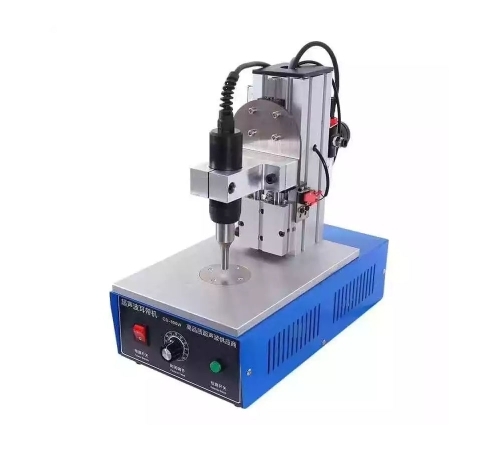
Furthermore, the choice of equipment plays a significant role. Different welding processes are better suited to certain grades and thicknesses of stainless steel. A knowledgeable supplier can advise on whether a TIG, MIG, or stick process is most appropriate and can help you select the right welding machine for the job. They can also provide insight into specialized consumables, such as high-purity welding fluxes, which protect the weld pool from atmospheric contamination and contribute to a smoother, cleaner weld bead. By taking a holistic view and considering the entire fabrication lifecycle, you can optimize your processes, improve quality, and create a more efficient and cost-effective operation.