
Shielded Arc Electrode: Your Guide to Arc Stability
Understanding Arc Stability with Your Shielded Arc Electrode
In Shielded Metal Arc Welding (SMAW), a stable, consistent arc is the foundation of a quality weld. It dictates bead appearance, penetration depth, and overall joint integrity. However, welders and maintenance teams often face the frustrating challenge of an erratic, sputtering, or difficult-to-control arc. This instability leads to increased spatter, inconsistent fusion, and costly rework, directly impacting productivity and project timelines. Understanding the root causes of arc instability is the first step toward achieving smooth, reliable, and professional welding results every time.
These issues often stem from one of three areas: the consumable itself, the equipment settings, or operator technique. This guide will explore the common questions surrounding arc stability, providing actionable insights to help you diagnose and resolve problems effectively. As a manufacturer committed to quality, we understand that a superior weld begins with a superior consumable, engineered for performance and consistency from the core wire to the final flux coating.
What is Arc Stability and Why Does It Matter?
Arc stability refers to the smoothness and consistency of the electric arc between the tip of the electrode and the workpiece. A stable arc is characterized by a steady, quiet hum, minimal spatter, and a uniform transfer of molten metal into the weld pool. Conversely, an unstable arc is often noisy, produces excessive spatter, and can extinguish itself intermittently, making it difficult for the operator to maintain control and produce a sound weld.
The importance of a stable arc cannot be overstated. It directly influences:
- Weld Quality: A stable arc ensures even heat distribution, leading to proper penetration and fusion with the base material. Instability can cause shallow penetration, undercut, or porosity, all of which compromise the structural integrity of the weld.
- Efficiency and Productivity: Constantly fighting an erratic arc slows down the welding process. It requires more stops and starts, and the resulting excessive spatter necessitates additional time for post-weld cleaning, reducing overall efficiency.
- Operator Comfort and Control: A predictable, stable arc is easier for a welder to manipulate. This allows for better control over the weld puddle, resulting in a neater bead profile and reducing operator fatigue and frustration.
- Material Consumption: Excessive spatter is wasted filler metal. By stabilizing the arc, you ensure more of the electrode is deposited into the weld joint, optimizing material use and reducing costs.
Achieving this level of consistency starts at the manufacturing level. As an ISO 9001 certified company, we adhere to strict quality control protocols for every batch of electrodes we produce. This commitment ensures that when you use our products, you are starting with a consumable engineered for optimal performance and arc stability, supporting your projects whether you are in Brazil, Thailand, or Australia.
Diagnosing Common Causes of Arc Instability
When an arc becomes unstable, a systematic approach to troubleshooting is essential. By evaluating the electrode, power source, and operator technique, you can quickly identify and correct the underlying issue. Below, we break down the most frequent culprits in each category.
Issues Related to the Electrode Itself
The consumable is often the first place to look when arc problems arise. The flux coating on a Shielded Arc Electrode is a complex chemical compound designed to do much more than just shield the weld; it contains arc stabilizers, deoxidizers, and slag formers. Any compromise to this coating can severely disrupt its function.
- Moisture Absorption: This is arguably the most common cause of arc instability, especially with low-hydrogen electrodes (e.g., E7018). The flux coating is hygroscopic, meaning it readily absorbs moisture from the atmosphere. When the electrode is used, this moisture rapidly turns into steam in the intense heat of the arc. This creates hydrogen, which can cause porosity and cracking, and the violent expansion of steam disrupts the arc plasma, leading to a rough, sputtering, and unstable arc.
- Improper Storage: The risk of moisture absorption is directly linked to storage conditions. Electrodes left in open packages in humid environments will quickly degrade. They should always be stored in a dry, controlled-temperature environment. For critical applications, low-hydrogen electrodes must be kept in a dedicated rod oven at the manufacturer's recommended temperature until use.
- Damaged Flux Coating: The flux coating is brittle. If an electrode is dropped or handled roughly, the coating can chip or crack. This exposes the core wire, leading to an inconsistent burn rate and a highly unstable arc in the damaged area. It also compromises the shielding, allowing atmospheric contaminants into the weld pool.
- Incorrect Electrode Selection: Not all electrodes are created equal. Using an electrode not suited for the base material, the required welding position, or the polarity of the power source will inevitably lead to problems. For example, some electrodes are designed specifically for AC, while others perform best on DC+ or DC-. Always consult the manufacturer's specifications. For general-purpose mild steel fabrication, versatile consumables like our AWS E6013 welding electrodes are an excellent choice known for their smooth arc and ease of use.
Power Source and Machine Settings
Even the highest quality electrode will perform poorly if the welding machine is not set up correctly. The power source provides the electrical energy to sustain the arc, and incorrect parameters will destabilize it.
- Incorrect Polarity: SMAW can be performed using Alternating Current (AC), Direct Current Electrode Positive (DCEP or DC+), or Direct Current Electrode Negative (DCEN or DC-). Each has different arc characteristics. Using the wrong polarity for a specific electrode type will result in poor performance, excessive spatter, and an unstable arc. For example, E6010 electrodes are designed for DCEP, while E7024 electrodes are often used with AC or DCEN for high deposition rates.
- Amperage Set Too Low or Too High: Amperage controls the heat input. If the amperage is too low, there isn't enough energy to maintain a stable arc, leading to the electrode "sticking" to the workpiece. If the amperage is too high, the electrode will overheat, the flux coating will break down too quickly, and the arc will become wild, difficult to control, and produce excessive spatter.
- Poor Electrical Connections: A solid, uninterrupted electrical circuit is crucial. Check that the electrode holder and ground clamp have a tight connection. Frayed, worn, or undersized welding cables can increase resistance, causing voltage drops that destabilize the arc. Ensure the ground clamp is attached to a clean, bare metal spot on the workpiece.
A reliable power source is a non-negotiable part of the equation. Investing in a quality arc welding machine that delivers consistent, stable output is essential for professional results.
Operator Technique and Environmental Factors
The final piece of the puzzle is the welder's technique. A skilled operator can compensate for minor variations, but fundamental errors in technique will undermine even the best equipment and consumables.
- Incorrect Arc Length: The distance between the electrode tip and the weld pool is critical. If the arc length is too long, the voltage increases, making the arc unstable, erratic, and prone to extinguishing. It also reduces penetration and allows the shielding to be compromised. If the arc length is too short, the electrode may short-circuit and stick to the workpiece. The correct arc length is typically about the diameter of the electrode's core wire.
- Improper Travel Angle and Speed: The angle of the electrode influences the shape of the weld bead and the flow of the slag. The travel speed affects the amount of heat input and the size of the bead. An inconsistent speed or angle can disrupt the delicate balance of the weld pool, affecting arc stability.
- Arc Blow: Particularly when welding with DC on ferromagnetic materials (like steel), magnetic fields can build up and deflect the arc from its intended path. This "arc blow" can make the arc erratic and difficult to control, especially when welding into corners or at the ends of a plate. Switching to AC, repositioning the ground clamp, or using a shorter arc length can help mitigate this effect.
The Critical Role of Flux Coating in a Stable Arc
The quality of a Shielded Arc Electrode is largely defined by the quality of its flux coating. This coating is a carefully engineered mixture of minerals and chemicals, each serving a vital purpose in creating a stable arc and a sound weld.
Our commitment to quality begins with the selection of superior raw materials. We source excellent dolomite, bauxite, cryolite, silica, and fluorine ore. These materials are then melted in our plant at temperatures of 2000°C. This high-temperature process creates a homogenous, purified, and chemically consistent flux that is then extruded onto the core wire. This meticulous process, an integral part of our ISO 9001 certified quality system, ensures that every single electrode provides:
- Arc Stabilizers: Elements like potassium and sodium are added to the flux. When heated, they ionize easily, creating a conductive path for the electricity to flow and helping to maintain a smooth, steady arc.
- Gas Formers: Cellulose and calcium carbonate decompose in the arc to generate a shielding gas (primarily carbon dioxide and water vapor) that protects the molten weld pool from oxygen and nitrogen in the atmosphere.
- Slag Formers: Silica, manganese oxide, and other minerals melt to form a protective layer of slag over the hot weld bead. This slag shapes the bead, prevents rapid cooling, and helps remove impurities from the weld metal.
By controlling the entire production process, from raw ore to final product, we ensure that our electrodes deliver the arc stability and weld quality our clients demand. With six production lines and a capacity to supply 100 tons a day, we are equipped to provide a consistent, reliable supply of high-performance welding materials to our industrial partners.
Conclusion: A Three-Pronged Approach to Arc Stability
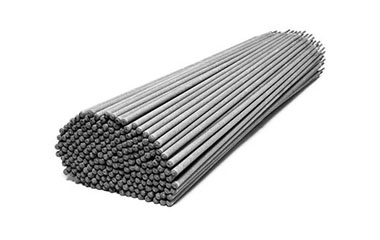
Achieving a stable arc is not about a single solution but a holistic approach that considers the consumable, the equipment, and the operator. By starting with a high-quality Shielded Arc Electrode from a trusted manufacturer, you eliminate a major source of variability. Our advanced manufacturing process, which involves melting premium raw materials at 2000°C, is designed to produce electrodes with exceptional chemical consistency and superior arc characteristics.
When you encounter instability, remember to troubleshoot systematically: check your electrode for moisture or damage, verify your machine settings and connections, and refine your operator technique. By addressing these key areas, you can resolve arc issues quickly, improve weld quality, and boost overall productivity. A stable arc is the hallmark of a controlled welding process, and it begins with reliable, expertly manufactured consumables.