
Setting Up an Electroslag Welder for Vertical Joints
Optimizing Your Electroslag Welder Setup for Reliable Vertical Joints
For fabricators and welding supervisors working with thick sections requiring high deposition rates and robust, full-penetration welds, setting up an welding machine for electroslag welding (ESW) of vertical joints is a critical skill. This unique process offers significant advantages for certain applications, particularly in industries like shipbuilding, heavy construction, and pressure vessel manufacturing. Understanding the nuances of preparing and operating an ESW system ensures optimal weld quality, efficiency, and safety.
Electroslag welding stands apart from other arc welding processes by utilizing a molten slag bath to melt the electrode and base metal, which then coalesces to form the weld. This method is exceptionally suited for single-pass welding of very thick plates, typically ranging from 25 mm to over 300 mm, in a vertical-up direction. The inherent nature of the process allows for high deposition rates and minimal distortion compared to multi-pass conventional welding, making it an indispensable tool for specific heavy fabrication challenges.
Understanding the Electroslag Welding Process for Vertical Applications
The electroslag welding process initiates with an arc between the electrode and the base metal, which melts a granular flux to form a molten slag pool. Once a sufficient slag pool is established, the arc extinguishes, and the electrical resistance of the molten slag generates heat, continuously melting the electrode and the edges of the base metal. This molten metal collects beneath the slag, forming the weld pool. Copper shoes, often water-cooled, are used to contain the molten slag and metal, traveling vertically upwards along the joint as the weld solidifies from the bottom up.
The primary advantage of this process for vertical joints is its ability to create a full-penetration weld in a single pass, significantly reducing welding time and labor costs for thick materials. The continuous melting and solidification under the protective slag bath also result in a refined grain structure and excellent mechanical properties, provided the setup and parameters are meticulously controlled. For operations in target markets such as Brazil, Thailand, Australia, and Malaysia, where heavy industrial fabrication is prevalent, mastering the ESW technique can provide a competitive edge.
Essential Equipment and Consumables for Electroslag Welding
A successful electroslag welding operation relies on the right combination of specialized equipment and high-quality consumables. Oldwelders provides a comprehensive range of products designed to meet the rigorous demands of ESW. The core components include:
The Electroslag Welder Unit
At the heart of the operation is the automatic welding machine itself, which typically consists of a power source, a wire feeder, and a guide system that moves the welding head and copper shoes vertically along the joint. Power sources are usually constant voltage (CV) DC units, capable of delivering high currents (typically 600-1000 amps or more) at low voltages (around 30-50 volts). Precision in wire feeding and consistent travel speed are paramount for maintaining a stable slag pool and uniform weld profile.
Welding Wires and Fluxes
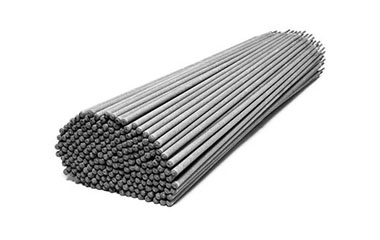
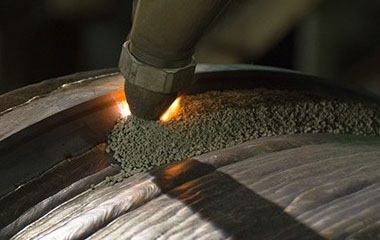
The choice of welding materials is critical for achieving the desired metallurgical properties and weld integrity. ESW typically uses large-diameter welding wires, often solid or flux-cored, chosen to match the base metal composition and required mechanical properties. For the flux, Oldwelders offers premium welding fluxes, specifically engineered for electroslag applications. Our flux products are produced from excellent raw materials such as dolomite, bauxite, cryolite, silica, and fluorine ore, melted at 2000 °C to ensure optimal purity and performance. The flux plays multiple roles: it creates the resistive heating medium, shields the weld pool from atmospheric contamination, and contributes alloying elements to the weld metal. Selecting the correct flux for your specific base metal and application is crucial for preventing defects and achieving superior mechanical properties.
Copper Shoes and Backing Plates
Water-cooled copper shoes are essential for containing the molten slag and metal pool within the joint. These shoes move upwards with the welding head, allowing the weld metal to solidify progressively. The design and condition of these shoes directly impact weld quality and joint containment. For very thick sections or specific joint designs, a start-up block and run-off tabs made from similar material to the base metal are used to ensure stable initiation and termination of the weld.
Pre-Welding Preparation and Joint Design Considerations
Thorough preparation of the workpiece and precise joint design are non-negotiable for successful electroslag welding. Neglecting these steps can lead to significant defects and costly rework.
Material Preparation
The edges of the plates to be welded must be meticulously cleaned to remove rust, scale, oil, paint, or any other contaminants. These impurities can introduce porosity or other defects into the weld. Grinding, wire brushing, or machining are common methods for preparing the joint faces. It is also important to ensure the plates are perfectly aligned and properly restrained to prevent movement during the welding process.
Joint Design
ESW typically utilizes a square butt joint or a very slight bevel (up to 5 degrees). The critical dimension is the root gap, which should be uniform along the entire length of the joint. A common gap range is between 20 mm and 35 mm, depending on material thickness and specific equipment. This gap provides space for the molten slag and metal pool and allows for proper penetration. The vertical alignment of the joint must be precise to ensure even melting and solidification.
Preheating and Interpass Temperature
While ESW generates substantial heat, preheating may still be required for certain high-strength steels or very thick sections to slow down the cooling rate and prevent hydrogen-induced cracking. The specific preheat temperature will depend on the material composition and thickness. Unlike multi-pass welding, interpass temperature control is less about allowing cooling between passes and more about maintaining a consistent thermal profile throughout the single ESW pass.
Setting Up the Electroslag Welder Machine
The physical setup of the electroslag welding machine requires careful attention to detail. This stage directly influences the stability of the process and the quality of the final weld.
Positioning the Workpiece
The workpiece must be securely fixtured in a vertical position. Ensure that the joint faces are truly vertical and that the root gap is consistent from top to bottom. Any deviation can lead to uneven melting, lack of fusion, or excessive distortion. Proper clamping and support are essential to prevent bowing or movement during the high-heat process.
Mounting the Welding Head and Copper Shoes
The welding head, containing the wire feeder and guide tube, must be accurately positioned at the bottom of the joint. The copper shoes, which enclose the molten pool, are then clamped firmly against the joint faces, ensuring a tight seal to prevent leakage of slag or molten metal. These shoes are typically water-cooled, and the cooling system must be fully operational before welding commences. The initial position of the shoes should be snug against the run-on tab or the base of the joint.
Wire Electrode Installation
Feed the chosen welding wire through the wire feeder and guide tube. Ensure the wire feeds smoothly without kinking or resistance. The contact tip-to-work distance (CTWD) and the wire stick-out are critical parameters that influence current density and melting rate. The wire should be positioned centrally within the joint gap, typically with multiple wires used for wider gaps to ensure even melting across the entire width.
Flux Loading
Before starting the weld, a small amount of granular flux is loaded into the bottom of the joint, on top of the run-on tab. This initial flux will melt to form the starter slag pool. The amount of flux needs to be sufficient to cover the electrode tip and establish the initial resistance path.
Optimizing Parameters and Operational Best Practices
Achieving a high-quality ESW weld depends heavily on the precise control and optimization of welding parameters. These parameters are interconnected, and a change in one often necessitates adjustments in others.
Key Welding Parameters
- Welding Current: Directly influences the melting rate of the electrode and the base metal. Higher currents lead to faster deposition and deeper penetration.
- Welding Voltage: Controls the temperature and fluidity of the slag pool. Higher voltages create a hotter, more fluid slag, affecting the shape of the weld bead and the depth of penetration.
- Travel Speed: For ESW, this refers to the vertical travel speed of the welding head and copper shoes. It dictates the rate at which the weld metal solidifies and the overall progress of the weld.
- Wire Feed Speed: Directly related to the welding current and responsible for maintaining a consistent molten pool.
- Oscillation (if applicable): For very wide joints, the electrode may oscillate horizontally to ensure even melting across the entire gap.
It is generally recommended to start with parameters provided by the arc welding machine manufacturer or consumable supplier and then fine-tune them based on test welds and material specificities. Maintaining a stable arc during initiation and a consistent slag pool temperature throughout the weld are paramount.
Monitoring and Adjustment During Welding
During the ESW process, continuous monitoring is essential. Operators should observe the appearance of the slag pool, ensuring it remains molten and active without excessive sputtering. The vertical travel speed should be uniform. Any deviations in the joint gap, material thickness, or equipment function can necessitate minor adjustments to voltage or current to maintain stability and weld quality. Regular inspection of the copper shoes for proper cooling is also vital to prevent overheating and potential damage.
Quality Control and Post-Welding Considerations
Ensuring the quality of an ESW weld involves rigorous inspection both during and after the process. Adherence to quality standards is a cornerstone of Oldwelders' operations, as demonstrated by our ISO 9001 certification. This commitment extends to the advice we provide for our customers.
Inspection Techniques
Visual inspection is the first line of defense, looking for surface irregularities, proper bead shape, and absence of external defects. For critical applications, non-destructive testing (NDT) methods such as ultrasonic testing (UT) and radiographic testing (RT) are commonly employed to detect internal defects like porosity, slag inclusions, or lack of fusion. Mechanical testing, including tensile and impact tests, may also be performed on test coupons to verify the weld's strength and toughness.
Post-Weld Heat Treatment (PWHT)
For certain materials, especially high-strength steels or very thick sections, post-weld heat treatment may be necessary to relieve residual stresses, improve toughness, and restore ductility. The specific PWHT procedure will depend on the material, thickness, and applicable codes and standards.
Addressing Common Defects
Common ESW defects include:
- Porosity: Often caused by contamination or insufficient deoxidation from the flux.
- Slag Inclusions: Resulting from inadequate slag fluidity or improper joint cleaning.
- Lack of Fusion: Can occur if the voltage or current is too low, or if the travel speed is too high.
- Hot Cracking: Often related to material chemistry or excessive restraint.
Understanding the root causes of these defects allows for targeted adjustments to parameters or preparation methods.
Partnering with a Reliable Supplier for Your ESW Needs
Choosing the right partner for your welding equipment and consumables is paramount for consistent quality and operational efficiency. Oldwelders is an ISO 9001 certified manufacturer, committed to delivering high-quality high grade energy welding machine and materials. Our plant covers an area of 1000 square meters and has six production lines, enabling us to supply up to 100 tons of product a day. This robust capacity ensures that even large-scale projects can be supported efficiently.
We pride ourselves on our ability to meet diverse client needs, offering a minimum order quantity (MOQ) of just 1 ton for our products, with a typical lead time of 30 days. Whether your operations are in Brazil, Thailand, Australia, or Malaysia, our professional and knowledgeable team is ready to assist you in selecting the optimal Electroslag Welder, welding wires, and fluxes for your vertical joint applications. Our commitment to quality, backed by rigorous manufacturing processes and premium raw materials, ensures that you receive products designed for reliability and performance.