
Selecting the Right Low Alloy Electrode
Selecting the Right Low Alloy Electrode for Critical Applications
In the demanding world of industrial fabrication, the choice of electrode is paramount, especially when working with high-strength, low-alloy (HSLA) steels. Precision in material selection directly impacts the integrity, durability, and performance of welded joints. This guide focuses on the critical considerations for selecting the appropriate low alloy electrode, particularly when joining base metals such as 4130, 4140, and various chromium-molybdenum (Cr-Mo) steels. Understanding the interplay between alloying elements in the electrode and the base metal is essential to prevent costly failures and ensure compliance with stringent engineering specifications.
Oldwelders, an ISO 9001 certified manufacturer, is committed to providing high-quality welding materials engineered for reliability. Our commitment to quality is reflected in our advanced manufacturing processes, which include the meticulous selection of raw materials for our welding fluxes. For instance, the raw materials for our flux products—excellent dolomite, bauxite, cryolite, silica, and fluorine ore—are melted at an extreme 2000 °C, ensuring optimal performance and consistency in every batch of our electrodes.
Understanding Low Alloy Electrode Classifications and Composition
Low alloy electrodes are designed to deposit weld metal with specific mechanical properties that closely match or exceed those of the base materials being joined. These properties are primarily achieved through the careful addition of alloying elements such as nickel (Ni), chromium (Cr), and molybdenum (Mo) into the electrode's core wire and flux coating.
The Impact of Nickel in Low Alloy Electrodes
Nickel is a crucial alloying element, primarily enhancing toughness, especially at low temperatures, and improving the strength of the weld metal without significantly increasing hardenability. Electrodes with higher nickel content are often specified for applications requiring excellent impact resistance in cold environments or for joining quenched and tempered steels where maintaining toughness is critical. For example, some low alloy electrodes are formulated with nickel to match the properties of certain cryo-service steels or high-strength structural steels.
The Role of Chromium in Weld Metal Properties
Chromium significantly increases the strength, hardness, and corrosion resistance of the weld metal. It also contributes to elevated temperature strength and creep resistance. In the context of alloy steels like 4130 and 4140, which contain chromium, selecting an electrode with a matching chromium content helps ensure homogeneous metallurgical properties across the weld joint. However, higher chromium content can increase hardenability, potentially requiring more rigorous preheat and post-weld heat treatment (PWHT) procedures to prevent hydrogen-induced cracking.
Molybdenum's Contribution to Strength and Creep Resistance
Molybdenum is a potent strengthener, particularly at elevated temperatures. It improves creep resistance, which is vital for components operating in high-temperature service, such as those found in power generation and petrochemical industries. Molybdenum also enhances hardenability and tensile strength. When welding Cr-Mo steels, matching the molybdenum content of the electrode to the base metal is essential to achieve comparable high-temperature performance and prevent premature failure due to creep.
Matching Low Alloy Electrodes to Specific Base Metals
The successful welding of alloy steels hinges on selecting an electrode that not only provides the necessary strength but also ensures metallurgical compatibility with the base metal. This prevents issues like hydrogen embrittlement, solidification cracking, and inadequate mechanical properties.
Welding 4130 Chromoly Steel
4130 steel, a chromium-molybdenum alloy steel, is known for its excellent strength-to-weight ratio and is widely used in aerospace, automotive, and bicycle manufacturing. When welding 4130, the primary goal is to maintain its mechanical properties and avoid excessive hardening in the heat-affected zone (HAZ). Low alloy electrodes containing matching or slightly lower levels of Cr-Mo are typically employed. Preheat is almost always necessary to slow the cooling rate and prevent hydrogen cracking. Common electrode choices might include E7018-C3 for lower carbon levels or electrodes specifically designed for Cr-Mo steels, such as E8018-B2, depending on the exact composition and required strength.
Welding 4140 Medium Carbon Alloy Steel
4140 steel is a medium-carbon, chromium-molybdenum alloy steel known for its toughness, high fatigue strength, and abrasion resistance. Its higher carbon content makes it more susceptible to hydrogen-induced cracking and HAZ hardening. Therefore, careful electrode selection and stringent welding procedures are crucial. Preheat temperatures are generally higher than for 4130, and PWHT is often required to temper the HAZ and restore ductility. Low alloy electrodes such as E8018-B2 or E9018-B3, which have similar Cr-Mo compositions, are frequently chosen to maintain strength and reduce cracking potential. The use of low-hydrogen electrodes is imperative.
General Cr-Mo Steel Applications
Cr-Mo steels encompass a broad range of alloys, often designated by their chromium and molybdenum content (e.g., 1.25Cr-0.5Mo, 2.25Cr-1Mo). These steels are extensively used in high-temperature and high-pressure applications, such as power plant piping, pressure vessels, and refinery equipment. Matching the Cr-Mo content in the low alloy electrode to that of the base metal is critical for achieving comparable creep rupture strength and oxidation resistance. Electrodes like E8018-B2, E9018-B3, and E7018-A1 are common choices, with specific selections depending on the exact alloy and service conditions. Strict control over preheat, interpass temperature, and PWHT is essential to ensure metallurgical integrity and prevent temper embrittlement.
Ensuring Quality and Reliability in Low Alloy Electrode Supply
For industrial buyers and welding professionals, the consistent quality and reliable supply of welding consumables are non-negotiable. Oldwelders understands these demands and structures its operations to meet them effectively.
Our state-of-the-art plant, covering an area of 1000 square meters and equipped with six production lines, boasts a robust capacity to supply 100 tons of product daily. This extensive production capability ensures that we can meet the demands of large-scale projects and provide a steady supply of high-grade arc welding machine consumables, including our range of low alloy electrodes, to our clients worldwide. We are proud to serve key international markets including Brazil, Thailand, Australia, and Malaysia, understanding the unique requirements of each region.
For orders, we maintain a minimum quantity of 1 ton, with a typical lead time of 30 days. This structure is designed to support global operations efficiently, enabling our partners to plan their projects with confidence in their supply chain. Whether you require standard specifications or custom formulations, our team of experts is ready to assist in selecting the optimal welding solution for your specific application. Our product range extends beyond electrodes to include a comprehensive selection of welding machine options, welding wire, and other essential welding fluxes, ensuring a complete solution for various industrial needs.
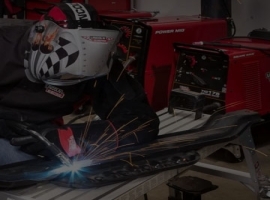
The meticulous selection of a low alloy electrode is a cornerstone of successful welding, particularly with advanced alloy steels. By understanding the specific roles of nickel, chromium, and molybdenum, and matching these to the base metal's composition and application requirements, welding professionals can achieve superior joint integrity. Oldwelders stands as a reliable partner, offering not only high-quality welding consumables but also the expertise and production capacity to support your most critical welding projects globally. Our dedication to quality, from raw material sourcing to final product delivery, ensures that every electrode performs to the highest standards, contributing to the safety and longevity of your welded structures.