
Choose Hardfacing Electrode for Wear Modes
How to Select the Right Hardfacing Electrode for Specific Wear Modes
Maximizing the operational lifespan of industrial components subjected to harsh conditions is a critical challenge for maintenance engineers and procurement specialists. Wear and tear can lead to costly downtime, reduced efficiency, and premature equipment failure. Hardfacing, a process of applying a wear-resistant layer to a component surface, offers a robust solution for extending service life and reducing maintenance expenses. The effectiveness of this process hinges significantly on selecting the appropriate Hardfacing Electrode for the specific wear mechanisms encountered in your application.
Oldwelders understands the complexities involved in protecting valuable assets. As an ISO 9001 certified manufacturer, we are committed to providing professional-grade welding solutions that meet the stringent demands of modern industry. Our expertise in welding materials, including a comprehensive range of welding electrodes, wires, and fluxes, positions us as a knowledgeable partner in your hardfacing endeavors.
Understanding Wear Mechanisms in Industrial Applications
Before an effective hardfacing strategy can be formulated, it is essential to accurately identify the predominant wear mechanisms affecting a component. Different industrial environments expose machinery to distinct types of degradation. A single component might experience multiple forms of wear, but typically one or two will be dominant, guiding the selection of your hardfacing solution.
Abrasion
Abrasion is perhaps the most common form of wear, resulting from hard particles sliding or rolling across a softer surface. This can range from fine particle abrasion (like sand or dust) to severe gouging abrasion (like rocks or gravel). Components such as excavator bucket teeth, crusher rolls, conveyor screws, and ploughshares are frequently subjected to abrasive wear. The severity of abrasion depends on the hardness, shape, and size of the abrasive particles, as well as the contact pressure and sliding velocity.
Impact
Impact wear occurs when two surfaces collide, leading to localized deformation, cracking, or material removal. This type of wear is particularly prevalent in applications where components experience sudden, high-energy blows. Examples include hammer mills, rock crushers, railway frogs, and cutting edges that encounter sudden shocks. High impact often requires a hardfacing material that can absorb energy without fracturing, balancing hardness with toughness.
Erosion
Erosion is a form of abrasive wear caused by the impingement of fluids or small solid particles entrained within a fluid stream. This is common in pumps, pipelines, fan blades, and chutes handling slurries or pneumatic conveyer systems. Unlike pure abrasion, erosive wear often involves a combination of particle velocity, angle of impact, and particle characteristics, leading to a unique wear pattern that requires specialized hardfacing alloys.
Corrosion
While not strictly mechanical wear, corrosion often works in conjunction with other wear mechanisms (corrosion-abrasion, corrosion-erosion). It involves the chemical or electrochemical degradation of a material due to reaction with its environment. Hardfacing materials designed for corrosive environments typically contain high levels of chromium, nickel, or other elements that form stable passive layers to resist chemical attack. Industries dealing with acids, alkalis, or saltwater environments, such as chemical processing or marine applications, frequently encounter this challenge.
Metal-to-Metal Wear (Adhesive Wear)
This type of wear occurs when two metal surfaces slide against each other under pressure, causing material transfer from one surface to another, often leading to galling or seizing. It is common in bearings, gears, wheels, and rails. Hardfacing for metal-to-metal wear typically involves alloys that create a low-friction surface or form hard carbides that act as load-bearing points, preventing direct metal contact.
Heat and Oxidation
High temperatures can significantly reduce the hardness and strength of materials, making them more susceptible to other forms of wear. Oxidation at elevated temperatures can also lead to material loss. Hardfacing solutions for high-temperature applications require alloys with excellent hot hardness and resistance to oxidation, often containing elements like chromium, molybdenum, and tungsten.
Key Factors for Choosing a Hardfacing Electrode
Once the primary wear mechanisms have been identified, several other factors must be considered to select the most effective Hardfacing Electrode:
- Base Material Compatibility: The hardfacing alloy must be compatible with the parent metal of the component. Considerations include preheating requirements, interpass temperature control, and post-weld heat treatment to avoid cracking or delamination.
- Component Design and Stress: The size, shape, and structural integrity of the component influence the choice of hardfacing material. Thin sections or components subjected to high residual stress may require more ductile hardfacing alloys.
- Application Method: Hardfacing can be applied using various welding processes, including shielded metal arc welding (SMAW) with welding rods, flux-cored arc welding (FCAW) with welding wire, and submerged arc welding (SAW) using specialized welding fluxes. The chosen process often dictates the available electrode forms.
- Desired Service Life and Cost: While a premium hardfacing alloy may offer superior wear resistance, its cost must be weighed against the desired increase in service life and overall maintenance budget. Sometimes, a more economical solution applied more frequently can be more cost-effective.
- Availability and Expertise: Ensure that the chosen hardfacing material is readily available and that your welding personnel have the necessary skills and equipment to apply it correctly.
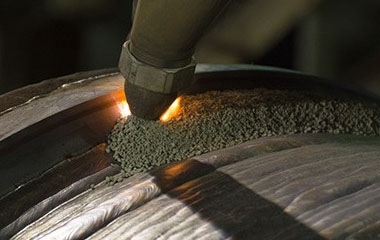
Matching Hardfacing Electrode Types to Wear Modes
Different families of hardfacing alloys offer distinct properties tailored to combat specific wear modes. Understanding these distinctions is crucial for optimal selection.
Martensitic Alloys
These alloys, often based on chromium and carbon, are air-hardening and produce a microstructure primarily composed of martensite. They offer a good balance of hardness and toughness, making them suitable for moderate abrasion and impact. They are often used for cutting edges, tractor rollers, and shovel teeth. Martensitic alloys can be heat-treated to adjust their hardness and are generally weldable on a wide range of carbon and low-alloy steels.
Austenitic Alloys
Characterized by a high manganese content, austenitic alloys are known for their excellent work-hardening capabilities. They are relatively soft in their as-welded state but become extremely hard under impact, making them ideal for severe impact and moderate abrasion applications. Components like crusher cones, railway crossings, and dredge pump impellers benefit greatly from these alloys. They are also useful as buffer layers for other, harder hardfacing materials.
Chromium Carbide Alloys
These are among the most popular choices for severe abrasive wear. Featuring high chromium and carbon content, they form extremely hard primary chromium carbides within an austenitic matrix. This microstructure provides exceptional resistance to high-stress abrasion. Typical applications include earthmoving equipment, agricultural implements, and coal pulverizer rolls. While offering superior abrasion resistance, they generally have limited impact resistance and can be prone to cracking if not applied correctly or if the base material is not adequately prepared.
Complex Carbide Alloys
Building upon chromium carbides, complex carbide hardfacing electrodes incorporate additional carbide-forming elements such as tungsten, molybdenum, vanadium, and niobium. These elements form even harder, finer carbides, resulting in superior resistance to extreme abrasion, especially at elevated temperatures. They are often specified for components operating in highly abrasive and erosive environments, such as cement kilns, sinter plant components, and screw conveyors for abrasive materials. The added complexity often means higher cost and potentially more challenging weldability compared to pure chromium carbides.
Nickel-Based and Cobalt-Based Alloys
These alloy families are primarily chosen for their excellent resistance to corrosion, high temperatures, and metal-to-metal wear, often in combination with moderate abrasion. Cobalt-based alloys (Stellite® type) are particularly renowned for their hot hardness and resistance to galling and cavitation erosion. Nickel-based alloys offer good corrosion resistance and can be formulated for specific chemical environments. They are common in valves, pump components, and chemical processing equipment where both wear and environmental degradation are concerns.
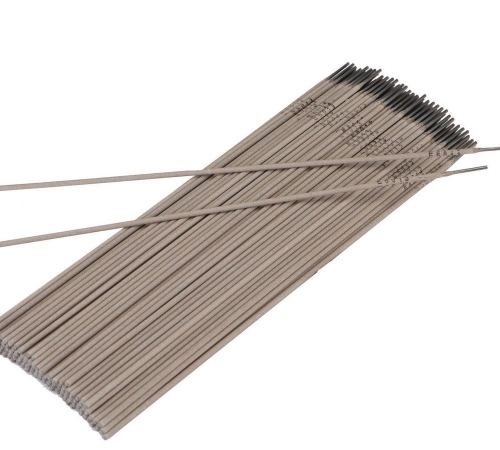
The Oldwelders Advantage: Quality and Expertise in Hardfacing Solutions
At Oldwelders, we pride ourselves on delivering high-quality electrode products and comprehensive welding solutions. Our commitment to excellence is reflected in our ISO 9001 certification, ensuring that every product meets rigorous international quality standards. When you choose Oldwelders, you are partnering with a manufacturer that prioritizes performance and reliability.
Our production capabilities are designed to meet diverse industrial demands. Our plant covers an area of 1000 square meters and features six production lines, capable of supplying up to 100 tons of product daily, ensuring prompt delivery for orders starting from just 1 ton. This robust infrastructure allows us to efficiently serve our target markets, including Brazil, Thailand, Australia, and Malaysia, with consistent quality and supply.
We understand that the quality of raw materials directly impacts the performance of the final product. For our flux products, for instance, we utilize excellent dolomite, bauxite, cryolite, silica, fluorine ore, and other carefully selected ores. These raw materials are melted at an exacting 2000 °C to create superior welding fluxes that contribute to the integrity and performance of our welding consumables, including those essential for hardfacing applications.
Whether you require a specific Hardfacing Electrode for severe abrasion, high impact, or corrosive environments, our team of experts can guide you through the selection process. We offer a wide range of welding consumables, including various types of welding wire and welding rod, designed to extend the life of your critical equipment.
Implementing Hardfacing Effectively for Longevity
Choosing the correct hardfacing electrode is only one part of the equation; proper application techniques are equally vital for achieving optimal results. Adhering to best practices ensures the longevity and performance of the hardfaced component:
- Surface Preparation: Thorough cleaning to remove rust, grease, and old worn material is crucial. Cracks in the base metal should be repaired before hardfacing.
- Preheating: Many hardfacing alloys and base metals require preheating to reduce thermal shock and minimize the risk of cracking.
- Welding Parameters: Correct amperage, voltage, and travel speed are essential for achieving proper fusion, bead profile, and desired hardness of the deposit. Consult the manufacturer's specifications for the specific welding machine and electrode.
- Interpass Temperature: Maintaining appropriate interpass temperatures prevents excessive heat buildup, which can lead to distortion or cracking.
- Post-Weld Treatment: Slow cooling or specific post-weld heat treatments may be necessary for certain alloys to achieve their full properties or relieve residual stresses.
- Safety: Always follow standard welding safety procedures, including proper ventilation, personal protective equipment, and fire prevention.
By carefully considering the wear mechanisms, component specifics, and the properties of different hardfacing alloys, and then applying them with precision, maintenance professionals can significantly enhance the durability and cost-effectiveness of industrial machinery. Oldwelders is your trusted partner in navigating these choices, providing not just products but also the knowledge to make informed decisions for your hardfacing challenges.