
Selecting Optimal Cast Iron Electrode
Selecting the Optimal Cast Iron Electrode for Professional Repair Shops
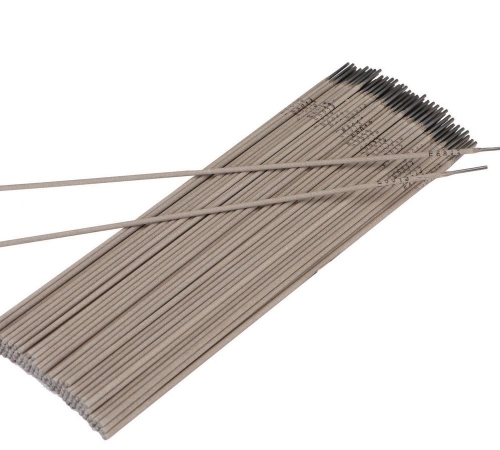
For welding consumable distributors and repair-shop buyers, the process of selecting the right welding consumables is a critical decision that directly impacts the quality, durability, and cost-effectiveness of repairs. Among these, the electrode specifically designed for cast iron holds a particularly important position. Cast iron, known for its excellent compressive strength and vibration damping properties, is widely used in industrial machinery, automotive components, and various structural applications. However, its inherent brittleness and high carbon content present unique challenges during welding, making the choice of an appropriate welding consumable paramount.
This guide is designed to assist professionals in preparing an initial supplier shortlist, focusing on key evaluation criteria before requesting quotes. Understanding the nuances of different consumables and the capabilities of potential suppliers is essential for securing a reliable and high-quality supply chain for your operations.
Understanding the Unique Demands of Cast Iron Welding
Cast iron components are ubiquitous in various industries, from heavy machinery to intricate engine blocks. Their repair often involves restoring integrity to cracked, worn, or broken parts, rather than outright replacement, which can be significantly more costly and time-consuming. The unique metallurgical properties of cast iron, including its high carbon content and the presence of graphite flakes, make it susceptible to cracking and hard, brittle heat-affected zones (HAZ) during conventional welding processes. This necessitates specialized welding materials designed to accommodate these characteristics.
Challenges in Welding Cast Iron
- Brittleness: Cast iron has low ductility, which means it cannot stretch much before breaking. Welding introduces thermal stresses that can easily cause cracking if the correct procedures and consumables are not used.
- High Carbon Content: The carbon in cast iron can form hard, brittle carbides in the weld metal and HAZ, leading to poor machinability and increased cracking susceptibility.
- Contaminants: Cast iron often contains impurities like sulfur and phosphorus, which can contribute to hot cracking and porosity in the weld.
- Pre-existing Stresses: Many cast iron components are already under residual stress from their original casting process, which can be exacerbated by welding.
Due to these challenges, the selection of an appropriate consumable, such as a specialized Cast Iron Electrode, is not merely a matter of material compatibility but a strategic decision for successful and lasting repairs.
Key Criteria for Sourcing Premium Welding Consumables
When preparing your supplier shortlist, a comprehensive evaluation of potential partners extends beyond just product specifications. It involves assessing their commitment to quality, manufacturing prowess, and ability to support your operational demands. For repair shops and distributors, these factors are crucial for ensuring consistent performance and customer satisfaction.
Product Quality and Performance
The performance of a welding consumable, particularly for challenging materials like cast iron, is non-negotiable. Key aspects to consider include:
- Weldability: How easily does the electrode run? Does it produce a stable arc, minimal spatter, and good slag detachability? For an optimal experience, look for consumables that offer smooth operation across various welding positions.
- Mechanical Properties: The weld metal should ideally match or exceed the mechanical properties of the base material. This includes tensile strength, ductility, and hardness. For cast iron repairs, excellent machinability of the weld metal is often a critical requirement, especially for components that require post-weld machining.
- Crack Resistance: The primary goal in cast iron welding is to prevent cracking. High-quality electrodes are formulated to minimize thermal stresses and produce welds with good resistance to both hot and cold cracking.
- Chemical Composition Consistency: A reputable manufacturer will ensure consistent chemical composition in every batch, leading to predictable welding performance and repeatable results.
Suppliers who can provide detailed product data sheets, test certificates, and demonstrate a track record of consistent quality are preferable.
Certifications and Industry Standards
Adherence to international quality standards is a strong indicator of a supplier's reliability and commitment to excellence. Certifications such as ISO 9001 confirm that a company adheres to a robust quality management system, ensuring consistency in manufacturing processes and product output. This means that from raw material procurement to final product inspection, stringent controls are in place. For businesses operating globally or those with demanding clients, sourcing from an ISO 9001 certified manufacturer minimizes risks and assures a baseline level of quality.
Technical Support and Expertise
The complexity of cast iron welding often requires more than just a product; it demands technical guidance. A supplier that offers strong technical support can be invaluable, providing advice on electrode selection, pre-weld preparation, welding parameters, and post-weld treatment. Their expertise can help troubleshoot issues, optimize processes, and ensure the best possible repair outcomes.
Evaluating Supplier Capabilities and Production Standards
Beyond the product itself, understanding a potential supplier's operational backbone is essential. This includes their manufacturing capacity, quality control, and overall infrastructure, which directly impact their ability to meet your demands consistently.
Manufacturing Capacity and Technology
A supplier’s manufacturing capabilities are a direct reflection of their ability to handle large orders and maintain consistent quality. For example, a facility like Oldwelders, with a plant covering an area of 1000 square meters and six production lines, demonstrates significant capacity. Such infrastructure indicates the ability to supply up to 100 tons of product per day, ensuring that even large or urgent orders can be met without compromising lead times. This scale of production is particularly reassuring for distributors and repair shops that require a steady and substantial supply of consumables.
Raw Material Sourcing and Quality Control
The quality of the final welding consumable begins with its raw materials. For products like welding fluxes, the selection of excellent dolomite, bauxite, cryolite, silica, fluorine ore, and other ores, melted at temperatures up to 2000 °C, highlights a commitment to superior foundational components. This meticulous approach to raw material selection and processing directly translates into the performance and reliability of the finished products, including welding rods and wires. A supplier transparent about their raw material sources and quality control processes instills greater confidence in their product line.
Quality Management Systems
As mentioned, an ISO 9001 certification underscores a supplier's dedication to quality across all operations. This system ensures that every step, from material inspection to manufacturing and packaging, adheres to rigorous international standards. For buyers, this means a reduced risk of receiving defective products and a greater assurance of consistent quality over time.
Ensuring a Robust Supply Chain for Your Welding Operations
The efficiency and reliability of a supplier’s logistics and supply chain are paramount for distributors and repair shops directly engaged in time-sensitive projects. Delays in receiving essential consumables can lead to project slowdowns, increased costs, and damaged client relationships.
Order Minimums and Lead Times
Understanding a supplier's minimum order quantity (MOQ) and typical lead times is crucial for inventory management and project planning. For instance, a supplier like Oldwelders offering a minimum order quantity of 1 ton allows both smaller and larger operations to procure necessary materials efficiently. A typical lead time of 30 days provides a clear expectation for delivery, enabling precise scheduling for repairs and distribution. This transparency in logistics helps businesses plan their procurement cycles effectively, preventing stockouts and ensuring continuous operations.
Packaging and Shipping
Appropriate packaging is vital to protect welding consumables from moisture and damage during transit. Suppliers should offer robust, industry-standard packaging that preserves product integrity from their factory to your facility. Furthermore, their shipping capabilities and experience in handling international logistics are important, especially for buyers targeting markets such as Brazil, Thailand, Australia, and Malaysia. A supplier with established distribution networks in these regions can offer more reliable and potentially faster delivery times.
Global Reach and Market Experience
A supplier with experience serving diverse international markets demonstrates their understanding of global logistics, customs regulations, and varying customer needs. Their ability to deliver to target markets like Brazil, Thailand, Australia, and Malaysia indicates a mature and adaptable supply chain capable of meeting the demands of a global clientele. This global perspective is a significant advantage for distributors seeking to expand their reach or for larger repair operations with international project scopes.
Partnering for Long-Term Success in Welding Consumables
Selecting a supplier for welding consumables should be viewed as forming a long-term partnership rather than a one-off transaction. A reliable supplier contributes significantly to your operational efficiency, product quality, and ultimately, your reputation.
Comprehensive Product Range
A supplier offering a broad range of welding products, including welding machines, welding wire, welding rod, and flux products, can be a strategic advantage. Consolidating your procurement with a single, trusted source simplifies logistics, potentially reduces administrative overhead, and can lead to better pricing through volume discounts. For example, alongside specific cast iron solutions, a supplier might also offer the AWS E6013 welding electrodes, which are widely used for general purpose mild steel welding, or specialized submerged arc welding flux HJ431.
After-Sales Support and Warranty
Even with the highest quality products, issues can arise. A supplier’s commitment to after-sales support, including clear warranty terms and responsive customer service, is crucial. This ensures that any concerns are addressed promptly and effectively, minimizing downtime for your repair operations.
In conclusion, the meticulous sourcing of welding materials, specifically including the Cast Iron Electrode, is a cornerstone of successful repair shop operations and efficient distribution. By focusing on supplier capabilities, adherence to quality standards, and robust supply chain management, businesses can secure the high-performance consumables necessary to meet the demanding requirements of cast iron repair. Establishing a partnership with a manufacturer that demonstrates proven capacity, quality certifications, and a commitment to customer support provides a solid foundation for long-term operational excellence and market competitiveness.