
Selecting Optimal Cast Iron Electrode for Repair
Selecting the Optimal Cast Iron Electrode for Industrial Repair Applications
For industrial buyers tasked with maintaining critical machinery and repairing cracked castings, the selection of the correct welding consumable is paramount. Cast iron, a ubiquitous material in manufacturing due to its excellent castability and compressive strength, presents unique challenges when it comes to welding due to its high carbon content and inherent brittleness. The choice between different types of electrodes, specifically nickel and nickel-iron (NiFe) variations, is a critical decision that directly impacts the success, durability, and cost-effectiveness of a repair.
At Oldwelders, we understand the precision and reliability required for industrial welding operations. As an ISO 9001 certified manufacturer, we are dedicated to providing high-quality welding materials to our global clientele, spanning target markets such as Brazil, Thailand, Australia, and Malaysia. Our expertise in welding consumables, including a comprehensive range of welding wires, welding rods, and welding fluxes, ensures that our partners receive products engineered for demanding applications. This guide delves into the nuances of nickel and NiFe for cast iron repair, helping you make an informed decision for your specific industrial needs.
Understanding Cast Iron and Its Weldability Challenges
Cast iron encompasses a family of ferrous alloys primarily composed of iron, carbon (typically 2-4%), and silicon (1-3%), with smaller amounts of manganese, sulfur, and phosphorus. Its high carbon content, existing as graphite flakes or nodules, is responsible for its characteristic properties but also contributes to its poor weldability compared to steel. During the welding process, rapid cooling can lead to the formation of brittle phases like martensite and ledeburite in the heat-affected zone (HAZ), increasing the risk of cracking.
The presence of free graphite also makes cast iron prone to porosity and incomplete fusion. Internal stresses, often exacerbated by thermal cycling during welding, can further contribute to cracking, particularly in complex geometries or constrained sections. Therefore, successful cast iron repair requires not only the right filler material but also meticulous preparation and welding procedures.
Common Types of Cast Iron for Repair
- Gray Cast Iron: Characterized by graphite flakes, offering good machinability and dampening properties but lower tensile strength. Most common for general machinery castings.
- Ductile Cast Iron: Graphite forms spherical nodules, providing improved ductility, strength, and impact resistance. Often used in automotive components and pipes.
- Malleable Cast Iron: Heat-treated white cast iron, where carbon transforms into irregularly shaped nodules, offering good ductility and machinability.
- White Cast Iron: High carbon content primarily as iron carbide (cementite), making it very hard and brittle, typically used for wear-resistant surfaces. Rarely welded for repair due to extreme brittleness.
Nickel Cast Iron Electrodes: Characteristics and Applications
Nickel Cast Iron Electrodes are a popular choice for repairing cast iron components, particularly when machinability and color match are important considerations. These electrodes deposit a weld metal that is rich in nickel, which helps to dissolve carbon from the cast iron, thereby preventing the formation of hard, brittle carbides in the weld deposit and HAZ.
Pure Nickel Electrodes (ENi-CI)
Pure nickel electrodes, classified as ENi-CI under AWS specifications, typically contain at least 90% nickel. They are designed to produce a soft, machinable weld deposit that closely matches the color of the parent cast iron. The high nickel content ensures good ductility and excellent resistance to cracking, even without extensive pre-heating in many applications.
Advantages of Pure Nickel Electrodes:
- Excellent Machinability: The deposited weld metal is soft and readily machinable, which is crucial for parts requiring post-weld machining, such as engine blocks, gearboxes, and pump housings.
- Good Color Match: The nickel-rich deposit blends well with gray cast iron, making repairs less noticeable.
- Reduced Cracking Tendency: The high nickel content helps to absorb carbon from the cast iron, preventing the formation of brittle martensite and promoting a more ductile weld and HAZ.
- Lower Heat Input Tolerance: Can be used with minimal or no pre-heating for small cracks or thin sections, though pre-heating is often recommended for larger repairs.
- Good Electrical Conductivity: Useful for repairing electrical components made of cast iron.
Limitations of Pure Nickel Electrodes:
- Higher Cost: Nickel is a more expensive base metal, leading to higher electrode costs compared to NiFe electrodes.
- Lower Strength: The tensile strength of pure nickel weld deposits is generally lower than that achieved with NiFe electrodes, making them less suitable for high-stress applications.
- Dilution Sensitivity: Excessive dilution with the parent metal can reduce the nickel content in the weld, potentially leading to harder deposits.
Nickel-Iron (NiFe) Cast Iron Electrodes: Characteristics and Applications
Nickel-Iron (NiFe) Cast Iron Electrodes, often referred to as ENiFe-CI under AWS standards, contain approximately 55% nickel and 45% iron. This composition provides a balance of strength, ductility, and cost-effectiveness that makes them a versatile choice for a wide range of cast iron repair applications. The addition of iron to the nickel matrix enhances the strength of the weld deposit while still maintaining good machinability.
NiFe Electrodes (ENiFe-CI)
NiFe electrodes are designed to produce high-strength, ductile weld deposits. The iron content contributes to a higher tensile strength than pure nickel electrodes, making them ideal for repairing heavy sections and components subjected to significant stress. Their ability to handle higher dilution rates without excessive hardening is another key advantage.
Advantages of NiFe Electrodes:
- Higher Strength: NiFe weld deposits offer superior tensile strength compared to pure nickel, making them suitable for structural repairs and components under high stress.
- Better Dilution Tolerance: The weld metal is more forgiving to dilution with the base metal, reducing the risk of hard spots and cracking, especially in difficult-to-weld cast irons.
- Versatility: Effective on various types of cast iron, including gray, ductile, and malleable cast irons.
- Cost-Effective: Generally more economical than pure nickel electrodes due to the lower nickel content.
- Good Ductility: Despite higher strength, NiFe deposits still maintain good ductility, which helps mitigate cracking.
Limitations of NiFe Electrodes:
- Poorer Color Match: The higher iron content results in a darker weld deposit that may not blend as seamlessly with gray cast iron as pure nickel electrodes.
- Slightly Harder Deposit: While still machinable, the weld deposit from NiFe electrodes can be slightly harder than pure nickel, potentially requiring more effort during post-weld machining.
- Requires More Pre-heating: For heavier sections or highly constrained repairs, more substantial pre-heating is often recommended to manage thermal stresses and prevent cracking.
Choosing Between Nickel and NiFe: Key Decision Factors
The decision between nickel and NiFe electrodes hinges on several critical factors specific to the repair application. Industrial buyers must weigh these considerations to ensure the integrity and longevity of their repaired components.
Cost-Effectiveness
For budget-conscious operations, NiFe electrodes generally offer a more economical solution due to their lower nickel content. However, the overall cost should also account for the labor involved in pre-heating, post-weld treatment, and potential re-work if the wrong electrode is chosen. For high-volume repairs or less critical components, NiFe might be the preferred choice. For specialized parts where machinability and aesthetic finish are paramount, the higher cost of pure nickel electrodes may be justified.
Base Metal Composition
Understanding the exact type of cast iron being repaired is crucial. NiFe electrodes are often preferred for ductile iron, malleable iron, and heavily contaminated cast irons due to their higher strength and better tolerance for dilution. Pure nickel excels on gray cast iron where machinability and color match are top priorities.
Pre-heat and Post-weld Treatment
Both electrode types benefit from pre-heating to reduce thermal shock and stress, but the degree required can vary. NiFe electrodes often necessitate more substantial pre-heating, especially for thick sections, to prevent cracking. Pure nickel can be more forgiving for smaller repairs with minimal pre-heat. Post-weld slow cooling is beneficial for both to allow stresses to dissipate, but the specific requirements depend on the electrode and application.
Joint Strength and Ductility Requirements
If the repaired component will be subjected to significant tensile or impact stresses, NiFe electrodes are typically the superior choice due to their higher strength. For applications where the primary concern is preventing cracking and achieving a ductile, machinable weld, pure nickel is often preferred.
Machinability
For repairs that absolutely require post-weld machining to precise tolerances, pure nickel electrodes offer the softest and most easily machinable weld deposit. While NiFe electrodes are still machinable, they can be slightly harder and may require more robust tooling.
Best Practices for Cast Iron Repair Welding
Regardless of the chosen electrode, adhering to best practices is essential for successful cast iron repair.
Surface Preparation
Thorough cleaning of the cast iron surface is critical. All grease, oil, paint, rust, and scale must be removed. Grinding or chipping out the crack to form a U or V-groove provides better access for the weld metal and ensures complete penetration. Drilling stop-holes at the ends of a crack can prevent further propagation.
Welding Techniques
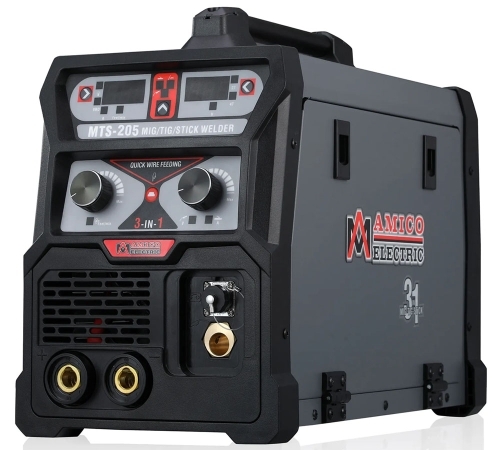
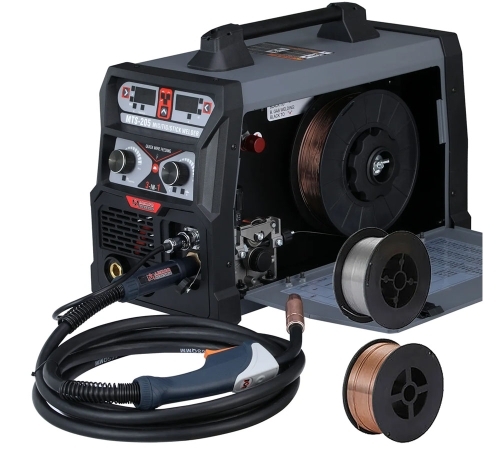
Use short, intermittent beads (stitch welding) to control heat input and minimize thermal distortion and stress. Peening the weld beads immediately after deposition, while they are still hot, can help to relieve residual stresses and improve ductility. Maintain a consistent arc length and travel speed. For applications requiring a MIG/MAG/TIG welding machine, specialized pulse settings can further optimize heat management.
Post-Weld Cooling
Slow cooling is paramount for cast iron repairs. After welding, the component should be covered with an insulating blanket or placed in a furnace to cool slowly. This controlled cooling allows for stress relief and minimizes the risk of cracking in the HAZ.
Oldwelders' Commitment to Quality and Supply Chain Excellence
At Oldwelders, our commitment extends beyond merely supplying welding consumables; we partner with industrial buyers to ensure their operational success. Our manufacturing facility, spanning 1000 square meters and housing six production lines, is a testament to our capacity and dedication to quality. This infrastructure enables us to maintain a high daily output, with a capability to supply up to 100 tons of flux products daily, reflecting our overall operational scale and commitment to excellence across our entire range of products, from welding machines to specialized welding rods.
We source excellent raw materials, such as dolomite, bauxite, cryolite, silica, and fluorine ore for our flux products, which are melted at 2000 °C, ensuring superior performance and consistency. This rigorous approach to material science and manufacturing processes underpins the reliability of all our welding materials. Our minimum order quantity (MOQ) of 1 ton ensures that we can support projects of various scales, from routine maintenance to large-scale industrial repairs. Our structured processes ensure that from order confirmation to dispatch, we maintain clear communication, often aligned with standard industry practices, including payment terms that can extend up to 30 days for established partners.
Partnering with Oldwelders for Your Cast Iron Electrode Needs
Choosing the right Cast Iron Electrode is a critical step in ensuring the longevity and reliability of your industrial equipment. Whether your application demands the superior machinability of pure nickel or the enhanced strength of NiFe, Oldwelders provides the expertise and high-quality products to meet your specifications. Our team is ready to assist you in selecting the ideal welding consumables for your specific cast iron repair challenges, ensuring optimal performance and cost-efficiency.
Contact us today to discuss your requirements and discover how Oldwelders can be your trusted partner in industrial welding solutions.