
Rutile Welding Rod: Performance and Selection Guide
Understanding the Performance of Rutile Welding Rods in Fabrication
In the demanding world of metal fabrication and repair, selecting the correct welding electrode is paramount for achieving strong, reliable, and aesthetically pleasing welds. Among the myriad options available, stick electrodes, also known as shielded metal arc welding (SMAW) electrodes, remain a cornerstone for many professionals. This guide delves into the specifics of welding electrodes, specifically focusing on the characteristics and applications of the rutile welding rod, and how it compares to its cellulosic counterpart, addressing the crucial question: which runs easier?
Oldwelders, an ISO 9001 certified manufacturer, understands the critical role of high-quality welding materials. Our commitment to precision engineering and stringent quality control ensures that every product, from our advanced welding machines to our comprehensive range of welding materials, meets the rigorous demands of industrial applications across target markets including Brazil, Thailand, Australia, and Malaysia.
The Distinctive Qualities of Rutile Welding Rods
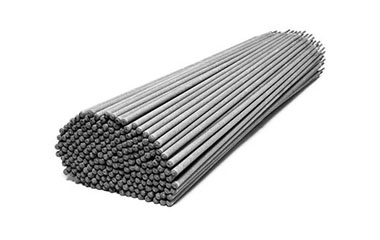
Rutile electrodes, often identified by classifications such as E6013, are widely recognized for their user-friendliness and excellent arc stability. The coating of a rutile welding rod is rich in titanium dioxide (rutile), which contributes significantly to its unique operational characteristics. This composition facilitates a smooth, stable arc, making it a preferred choice for welders ranging from apprentices to seasoned professionals.
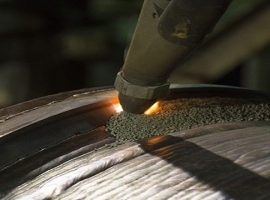
One of the primary advantages of a rutile welding rod is its ability to deliver a very smooth and consistent arc. This characteristic minimizes spatter and typically results in a finely rippled, aesthetically pleasing weld bead. The slag produced by rutile electrodes is generally fluid and easily removable, often peeling off on its own as the weld cools, which reduces post-welding cleanup time. This ease of slag removal is a significant factor in enhancing productivity on many projects.
Furthermore, rutile electrodes are known for their excellent all-position welding capabilities, although they are particularly suited for flat, horizontal, and vertical-down positions. They offer moderate penetration, which makes them ideal for welding thin to medium-thick materials and for situations where excessive penetration might lead to burn-through. The mechanical properties of welds produced with rutile electrodes are generally good, offering satisfactory tensile strength and ductility for general structural steelwork and fabrication.
At Oldwelders, our manufacturing process for welding fluxes, which are integral to producing high-quality welding rods, involves sourcing excellent dolomite, bauxite, cryolite, silica, fluorine ore, and other ores, which are then melted at an intense 2000 °C. This meticulous process ensures the superior performance and consistency of our welding fluxes and subsequently, our welding rods.
Understanding Cellulosic Welding Rods
In stark contrast to rutile types, cellulosic electrodes, commonly found in classifications like E6010 or E6011, derive their name from the high proportion of cellulose in their flux coating. This organic material burns off rapidly during welding, producing a significant volume of shielding gas that effectively protects the molten weld pool from atmospheric contamination. The distinct characteristics of cellulosic rods cater to different welding requirements and preferences.
Cellulosic electrodes are renowned for their deep penetration capabilities. This makes them exceptionally well-suited for welding dirty, rusty, or painted surfaces, as the forceful arc can burn through contaminants, ensuring a solid, clean weld. The arc produced by cellulosic rods is typically strong, forceful, and somewhat aggressive, which can be challenging for beginners to control but is highly valued by experienced welders for its specific advantages.
Another defining feature of cellulosic electrodes is their rapid solidification rate. This property makes them excellent for welding in vertical-up and overhead positions, where gravity would otherwise cause the molten metal to sag. The slag produced is typically thin and sparse, which can sometimes be more challenging to remove compared to rutile types, but its minimal volume means less post-weld cleaning in certain applications.
The weld bead appearance from cellulosic rods is generally rougher and less aesthetically pleasing than that from rutile types. However, for applications where structural integrity and penetration are prioritized over cosmetic finish, such as pipeline welding or heavy fabrication, cellulosic electrodes are often the preferred choice. The mechanical properties, especially impact toughness, are typically very good with cellulosic welds.
The Manufacturing Excellence Behind Oldwelders' Welding Materials
Our commitment to quality extends across our entire product range, including various types of welding rods, solid wire, and flux-cored wire. The Oldwelders plant, covering an area of 1000 square meters, is equipped with six advanced production lines. This robust infrastructure allows us to maintain a daily supply capacity of 100 tons, ensuring that our customers receive their orders efficiently. For instance, we typically process orders with a lead time of 30 days, managing volumes from 1 ton upwards, to meet the diverse needs of industrial clients globally.
Rutile vs. Cellulosic: Which Runs Easier?
The question of which electrode "runs easier" is subjective and depends heavily on the welder's experience, the specific application, and the desired outcome. However, for general-purpose welding, especially for those new to stick welding or focusing on cosmetic appearance, the rutile welding rod is widely considered to run easier.
Ease of Arc Striking and Stability
- Rutile: Striking an arc with a rutile electrode is typically very easy due to its stable arc characteristics. The arc is smooth, quiet, and consistent, making it forgiving for less experienced welders. It holds a consistent arc length with minimal effort.
- Cellulosic: Cellulosic electrodes require a more aggressive arc strike and can be more challenging to maintain a consistent arc, especially for beginners. The arc is forceful and can be unstable if not properly controlled, often described as "digging" into the metal.
Spatter and Slag Management
- Rutile: Produces minimal spatter and a thick, often self-peeling slag that is very easy to remove, significantly reducing cleanup time. This contributes to the perception of "running easier" due to less post-weld effort.
- Cellulosic: Generates more spatter and a thin, sometimes brittle slag that can be more stubborn to remove. While experienced welders might manage this efficiently, it adds an extra layer of difficulty compared to rutile types.
Weld Bead Appearance and Penetration
- Rutile: Delivers a smooth, finely rippled, and aesthetically pleasing weld bead with moderate penetration. This is often preferred for visible welds or those requiring minimal post-weld grinding.
- Cellulosic: Produces a rougher, more convex weld bead with deep penetration. While less visually appealing, the deep penetration is crucial for structural integrity, particularly on contaminated surfaces or for root passes in heavy sections.
Positional Welding
- Rutile: Excellent for flat, horizontal, and vertical-down positions. Can be used in overhead, but the molten pool can be harder to control than with cellulosic types due to its more fluid nature.
- Cellulosic: Superior for vertical-up and overhead positions due to its fast-freezing slag and aggressive arc that helps hold the molten metal in place against gravity.
Choosing the Right Electrode for Your Project
The decision between a rutile welding rod and a cellulosic one ultimately comes down to the specific requirements of the welding task. Consider the following factors:
Material Condition and Type
- If welding clean, new mild steel or thin gauge materials where a smooth finish is desired, a rutile welding rod (e.g., E6013) is often the best choice.
- For welding on rusty, painted, or dirty surfaces, or for welding thick sections requiring deep penetration and strong root passes, cellulosic electrodes (e.g., E6010, E6011) are more suitable.
Welding Position
- For flat or horizontal welds, both can be effective, but rutile often provides a better finish.
- For vertical-down welding, rutile is generally easier to control.
- For vertical-up or overhead welding, cellulosic electrodes excel due to their fast-freezing characteristics.
Required Mechanical Properties
- For general fabrication and repair where moderate strength and good ductility are sufficient, rutile electrodes perform well.
- For applications demanding high tensile strength, excellent impact toughness, and deep penetration, such as pipeline or heavy structural welding, cellulosic electrodes are typically preferred.
Welder Skill Level
- Beginners and those prioritizing ease of use and aesthetic welds will find rutile electrodes more forgiving.
- Experienced welders who can manage a more aggressive arc and require deep penetration for specific applications will leverage the strengths of cellulosic electrodes.
Oldwelders offers a comprehensive range of welding solutions, including various arc welding machines and specialized equipment like resistance welding machines, to complement your choice of welding rods. Our expertise ensures you have the right tools for every job.
Oldwelders' Commitment to Quality and Support
At Oldwelders, we pride ourselves on being a trusted partner in the global welding industry. Our adherence to ISO 9001 standards signifies our unwavering commitment to quality management and continuous improvement. We ensure that every product leaving our facility, whether it's a specialized high grade energy welding machine or a batch of premium welding rods, meets the highest international benchmarks.
Our expansive manufacturing capability, with six production lines operating in a 1000 square meter plant, allows us to maintain a consistent output of 100 tons per day. This capacity ensures that we can efficiently fulfill large orders, with typical lead times of 30 days for orders starting from 1 ton. This efficiency is critical for our B2B clients in markets like Brazil, Thailand, Australia, and Malaysia, who rely on timely delivery of high-quality welding consumables and equipment.
We understand that selecting the right welding material can significantly impact project success. Our knowledgeable team is dedicated to providing expert advice and support, helping you navigate the complexities of electrode selection to achieve optimal results. Whether you require a AWS E6013 Welding Electrode for general fabrication or need to explore our range of welding accessories, Oldwelders is your reliable source.
Conclusion
When considering whether a rutile welding rod or a cellulosic electrode runs easier, the answer leans towards rutile for its smooth arc, minimal spatter, and easy slag removal, making it highly accessible for a wide range of welders and general fabrication tasks. Cellulosic electrodes, while demanding more skill, offer unparalleled penetration and suitability for challenging conditions and specific positional welding. Understanding these fundamental differences is key to making an informed decision that enhances productivity, weld quality, and ultimately, project success.
Oldwelders stands ready to supply your business with the highest quality welding materials and machinery. Our dedication to manufacturing excellence, robust production capabilities, and global reach ensure that you have access to the best tools to meet your specific welding challenges. Contact us today to learn more about our comprehensive product offerings and how we can support your operational needs.