
Condition Recovered SAW Flux to Prevent Porosity
Properly Conditioning Recovered SAW Flux Prevents Weld Porosity
In high-volume industrial welding operations, optimizing consumable usage is crucial for both cost efficiency and environmental responsibility. Submerged Arc Welding (SAW) is a highly productive process, and the flux plays a vital role in shielding the weld pool and influencing bead shape and mechanical properties. While the idea of reusing unused or recovered SAW flux is appealing, improper handling can lead to significant weld defects, most notably porosity, compromising structural integrity and increasing rework costs.
At Oldwelders, we understand the challenges welding supervisors face in balancing productivity with quality. Our commitment to excellence is reflected not only in our welding fluxes, but also in our dedication to providing knowledgeable insights for optimal welding practices. As an ISO 9001 certified manufacturer, we adhere to stringent quality controls across all our welding materials, ensuring that whether you're using fresh or properly conditioned recovered flux, your operations maintain peak performance.
The Critical Role of SAW Flux in High-Quality Welds
The core function of SAW flux is to provide a protective blanket over the arc and molten weld pool, shielding them from atmospheric contamination. Beyond protection, the flux also plays a crucial role in deoxidizing the weld, influencing the chemical composition of the weld metal, and shaping the weld bead. There are various types of SAW fluxes, each formulated with specific properties to suit different applications and material combinations. For instance, the submerged arc welding flux hj431 is a common example, designed for particular performance characteristics. Granular in nature, these fluxes are composed of carefully selected raw materials such as dolomite, bauxite, cryolite, silica, and fluorine ore, which are melted at 2000 °C to create a consistent, high-quality product. This meticulous manufacturing process ensures the flux performs reliably, minimizing defects and maximizing weld strength.
When the submerged arc welding process is complete, a portion of the flux remains unfused. This recovered material, if handled correctly, can potentially be reused. However, its properties might have changed, making proper conditioning essential. The integrity of the weld depends heavily on the consistent quality of the flux, making any deviation a potential source of serious defects like porosity.
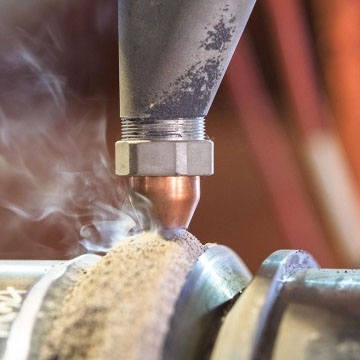
Understanding Porosity Risks with Recovered SAW Flux
Porosity in welds manifests as small voids or gas pockets within the weld metal. These defects significantly reduce the mechanical strength and fatigue life of the welded joint, leading to costly failures and rework. When using recovered SAW flux, the risk of porosity increases substantially if certain precautions are not observed. The primary culprits for porosity in this context are moisture absorption and contamination.
Moisture Absorption
SAW fluxes are hygroscopic, meaning they readily absorb moisture from the surrounding atmosphere. Even small amounts of moisture, when introduced into the intense heat of the welding arc, dissociate into hydrogen and oxygen. Hydrogen is particularly detrimental, as it can dissolve in the molten metal and then precipitate out as gas bubbles during solidification, leading to hydrogen-induced porosity. This is a critical concern, as humid conditions or improper storage of recovered flux can quickly render it unsuitable for reuse.
Contamination Sources
Beyond moisture, recovered flux can become contaminated with various undesirable substances. These include:
- Slag particles: Residual slag from the previous weld can be mixed with the unfused flux. If not removed, these inert particles can become inclusions in the weld or interfere with the flux's protective properties.
- Scale and rust: Fine particles of mill scale, rust, or other debris from the workpiece surface can be drawn into the flux. These contaminants can introduce oxides and other compounds that react unfavorably in the weld pool, leading to gas generation and porosity.
- Grease and oil: Lubricants, cutting fluids, or even fingerprints can transfer to the flux. Organic contaminants decompose at welding temperatures, producing gases that become trapped in the solidifying weld, forming pores.
- Metallic dust: Fine metallic particles from grinding or other fabrication processes can also become embedded in the recovered flux, potentially altering the weld metal chemistry or contributing to inclusions.
Each of these contaminants can disrupt the stable arc and molten pool environment, leading to gas entrapment and ultimately, porosity. Therefore, a rigorous conditioning process is non-negotiable for any recovered flux intended for reuse.
Essential Steps for Conditioning Recovered SAW Flux
To mitigate the risks associated with reusing SAW flux and prevent porosity, a structured conditioning process must be implemented. This involves several key steps designed to clean, dry, and restore the flux to an acceptable state for welding.
1. Collection and Separation
The first step involves collecting the unfused flux from the welding area. It is crucial to use clean, dedicated collection tools and containers to prevent cross-contamination. Ideally, a vacuum system can be used to collect the flux, which also helps in minimizing the inclusion of larger debris. Once collected, the flux should be passed through a screening or sieving system to remove larger slag particles, spatter, and other coarse contaminants. This initial mechanical separation is vital for efficient subsequent processing.
2. Drying (Baking)
Drying is perhaps the most critical step in conditioning recovered flux to eliminate moisture-induced porosity. The flux should be baked in an oven at a specific temperature and for a duration recommended by the flux manufacturer or based on established welding procedures. Typical temperatures range from 250°C to 450°C (482°F to 842°F) for several hours. This process drives off absorbed moisture, preventing hydrogen from entering the weld pool. It is imperative to ensure even heating throughout the batch of flux. After baking, the flux must be stored in dry, sealed containers or in heated hoppers to prevent re-absorption of moisture until it is ready for use.
3. Magnetic Separation
Even after sieving, fine metallic particles can remain in the recovered flux. Magnetic separation is an effective method to remove these ferrous contaminants, which can otherwise lead to inclusions or alter the weld metal chemistry. The flux can be passed over magnetic rollers or through a magnetic field to extract these minute metallic impurities.
4. Blending (Optional)
In some operations, recovered flux is blended with new, fresh flux. This practice can help dilute any remaining minor contaminants in the recovered material and restore some of the original chemical and physical properties. If blending, the ratio of recovered to new flux should be carefully controlled and consistently applied, typically not exceeding a certain percentage of recovered material as specified by internal quality standards or industry best practices. This ensures that the overall performance characteristics of the flux mixture remain within acceptable parameters.
Quality Control and Assurance for Reused Flux Materials
Even after thorough conditioning, it is essential to implement robust quality control measures to ensure the recovered SAW flux meets the necessary standards for reuse. Relying solely on visual inspection is insufficient; more rigorous checks are required to prevent costly weld defects down the line.
Visual Inspection and Particle Size Analysis
A visual inspection should always precede any reuse. The conditioned flux should appear consistent in color and texture, free from visible contaminants or excessive fines. Particle size distribution is also critical; an excessive amount of very fine particles can negatively impact arc stability and slag detachability, while overly coarse particles might lead to insufficient coverage. Regular checks of particle size can ensure the flux maintains its intended physical characteristics.
Moisture Content Testing
Despite baking, moisture can be re-absorbed. Regular moisture content testing, using methods like loss-on-ignition or Karl Fischer titration, provides an objective measure of dryness. This is a non-negotiable step for critical applications, ensuring that the moisture level is below the threshold that causes porosity. Maintaining low moisture levels is crucial for achieving high-quality welds.
Trial Welds and Destructive Testing
The ultimate test of conditioned flux is its performance in a real-world welding scenario. Performing trial welds with the conditioned flux on representative base materials allows supervisors to assess weld bead appearance, arc stability, and slag detachability. For critical applications, destructive testing of these trial welds (e.g., bend tests, tensile tests, impact tests) and non-destructive examination (NDE) such as radiographic inspection can detect internal defects like porosity or inclusions that might not be visible on the surface. Only after these tests confirm satisfactory weld quality should the conditioned flux be approved for production use.

Optimizing Your Welding Operations with Oldwelders' Expertise
At Oldwelders, we understand that successful welding operations demand consistent quality, reliability, and technical support. Our extensive range of welding consumables, including various types of SAW flux, is manufactured under strict quality controls. With a plant covering an area of 1000 square meters and six production lines, we have the capacity to supply 100 tons of product a day, ensuring that your projects, whether in Brazil, Thailand, Australia, or Malaysia, receive a steady and reliable supply.
Our commitment to quality extends from our raw materials, such as excellent dolomite and bauxite, melted at 2000 °C, to our final products. We offer a minimum order quantity of just 1 ton and typically deliver within 30 days, providing flexibility and efficiency for our B2B partners. Whether you are looking for advanced welding machine solutions or premium welding consumables designed for optimal performance, Oldwelders is your trusted partner.
Implementing proper conditioning procedures for recovered SAW flux is an intelligent strategy for reducing consumable waste and achieving consistent weld quality. By understanding the risks, following best practices for conditioning, and establishing rigorous quality control, welding supervisors can confidently integrate recovered flux into their operations. Partner with Oldwelders to ensure you have the highest quality materials and expert guidance to maintain superior welding standards and prevent porosity in your critical applications.