
Reduce Rework with High-Performance Pipe Welding Flux
Reduce Rework Costs by Choosing the Right Pipe Welding Flux
In large-scale industrial projects, particularly in pipeline construction and fabrication, the pressure to control costs is immense. Operations buyers and project managers often focus on the upfront price of consumables, viewing them as a simple line item in a complex budget. However, this perspective overlooks a critical factor: the total cost of application. When it comes to welding, the selection of a seemingly minor component like flux can have a disproportionately large impact on project timelines and profitability. Subpar materials lead to weld defects, which in turn lead to extensive, costly rework. Choosing a high-performance pipe welding flux from the outset is not an expense; it is a strategic investment in efficiency, quality, and overall project success.
Rework is the silent budget killer in welding operations. It encompasses far more than just the time spent re-welding a faulty joint. It includes the labor hours for grinding out the defect, the cost of re-inspection and non-destructive testing (NDT), the consumption of additional materials, and, most significantly, the cascading effect of project delays. By understanding the technical attributes of a superior flux and partnering with a reliable manufacturer, companies can mitigate these risks, protect their margins, and enhance their reputation for delivering high-quality work on schedule.
The Hidden Financial Impact of Inferior Welding Flux
The true cost of a welding consumable is not its purchase price but its performance in application. A low-cost flux that produces inconsistent results can trigger a cascade of expenses that far outweigh any initial savings. For operations buyers focused on total applied cost, understanding these hidden liabilities is essential for making informed procurement decisions.
Consider the typical workflow following the discovery of a weld defect like porosity, slag inclusions, or cracking. The first step is identification, often through costly NDT methods like radiography or ultrasonic testing. Once confirmed, the rework process begins:
- Defect Removal: This requires skilled labor to carefully gouge or grind out the defective weld material without compromising the integrity of the base metal. This is a time-consuming, non-value-added activity.
- Re-Welding: The joint must be prepared and welded again, consuming more wire, gas, and flux. This doubles the consumable cost for that specific joint.
- Labor Costs: The most significant expense is often the skilled labor hours dedicated to this entire rework cycle. Welders and technicians are pulled away from productive work, slowing down the overall project progress.
- Re-Inspection: The repaired weld must undergo the same rigorous inspection process again to ensure it meets code requirements, adding another layer of cost and time.
- Project Delays: In a linear construction process like pipeline fabrication, a bottleneck in the welding station can halt subsequent activities like coating and installation. These delays can lead to contractual penalties and damage client relationships.
A high-quality flux directly addresses these issues by promoting a stable arc, ensuring proper shielding of the molten weld pool, and creating a slag system that actively cleanses the weld metal. This results in a drastically lower defect rate, minimizing the need for the costly rework cycle and ensuring the project moves forward efficiently.
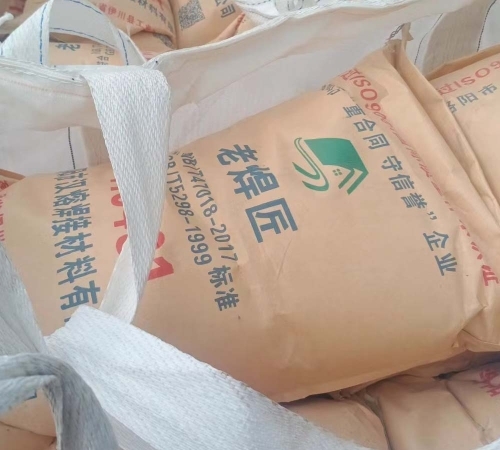
Key Characteristics of a High-Performance Flux for Pipeline Applications
Not all fluxes are created equal, especially when subjected to the demanding conditions of pipe welding. Whether in a fabrication shop or out in the field, the right flux must deliver consistent performance. When evaluating a flux, look for these critical characteristics that directly impact weld quality and operational efficiency.
Excellent Slag Detachability
After the weld is completed, the molten flux cools to form a protective layer of slag. In an efficient operation, this slag should be easy to remove, often lifting away on its own ("self-peeling") or with minimal chipping. Poor slag detachability forces welders to spend valuable time and effort with chipping hammers and grinders. This not only reduces productivity but also increases the risk of damaging the weld surface. For circumferential pipe welds, especially in the root pass, trapped slag is a common and critical defect. A flux designed for easy and complete slag removal is paramount to preventing these costly inclusions.
Smooth Bead Appearance and Profile
The final appearance of the weld bead is a direct indicator of the flux's performance. A high-quality flux produces a smooth, uniform bead with a fine ripple pattern and excellent tie-in at the toes of the weld. This smooth profile is not just cosmetic; it reduces stress concentrations, which is critical for components subjected to fatigue or dynamic loading. A rough, uneven bead may require post-weld grinding to meet client specifications, adding another non-essential step to the production process. The flux's formulation controls the viscosity and surface tension of the molten slag, which in turn shapes the solidifying weld metal.
Chemical Purity and Composition Control
A welding flux is a complex mixture of minerals and deoxidizing agents designed to protect the weld pool from atmospheric contamination (oxygen and nitrogen) and to refine the weld metal's chemistry. The presence of impurities, particularly moisture and hydrogen, can lead to catastrophic defects like hydrogen-induced cracking. Reputable manufacturers control this by sourcing excellent raw materials—such as high-purity dolomite, bauxite, cryolite, and silica—and processing them under stringent conditions. At Oldwelders, these premium ores are melted at 2000 °C to create a homogenous, glassy flux, driving off impurities and ensuring a consistent chemical composition in every batch.
Consistent Particle Size Distribution
In automated processes like submerged arc welding (SAW), the physical properties of the flux are as important as its chemical ones. The particle size distribution affects how the flux flows from the hopper and how it packs around the welding arc. If the flux contains too many fine particles, it can lead to a constricted arc and poor gas release, potentially causing porosity. If it is too coarse, it may not provide adequate shielding. A manufacturer with robust quality control ensures a consistent granulometry, which is essential for stable, repeatable welding parameters and predictable results in automated setups, a common scenario in modern pipe mills.
How Flux Selection Drives Overall Project Efficiency
The technical characteristics of a flux translate directly into tangible operational and financial benefits. The primary goal is to maximize the deposition rate of sound weld metal while minimizing all auxiliary activities.
By selecting a superior flux, operations can achieve a higher first-time pass rate on weld inspections. This single metric has a powerful ripple effect throughout the entire project. It means less time is spent on non-productive rework, allowing skilled welders to focus on moving the project forward. This acceleration of the welding process can help meet or even beat project deadlines.
Furthermore, reduced post-weld cleaning saves time, labor, and consumables like grinding discs. When multiplied across thousands of welds in a large pipeline project, these small time savings accumulate into a significant financial advantage. The choice of flux also impacts the consumption of other welding materials. A well-formulated flux provides excellent shielding and alloy transfer, ensuring the mechanical properties of the weld are met without excessive use of expensive alloyed wires. It supports a stable arc, which can reduce spatter and wasted filler metal. Ultimately, investing in a premium flux simplifies the welding process, reduces variability, and makes the entire operation more predictable and profitable.
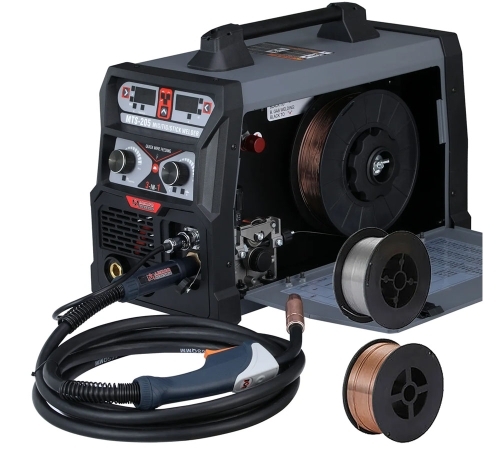
Partnering with a Reliable, ISO 9001 Certified Flux Manufacturer
The consistency of your welding flux is directly tied to the process controls and quality standards of its manufacturer. For critical applications, partnering with a supplier who can demonstrate a commitment to quality is non-negotiable. This is where certifications and transparent operational capabilities become crucial trust signals for procurement professionals.
An ISO 9001 certification, for example, is a clear indicator that the manufacturer has a robust quality management system in place. It confirms that processes are documented, controlled, and continuously improved, from the inspection of incoming raw materials to the testing of the final product. This systematic approach ensures that every batch of flux you receive will perform identically to the last, eliminating a major source of process variability for your welding operations.
Beyond certifications, a manufacturer's production capacity and infrastructure provide insight into their ability to serve as a reliable supply chain partner. Oldwelders operates a 1000 square meter plant with six dedicated production lines, capable of supplying up to 100 tons of flux per day. This significant capacity ensures we can meet the demanding schedules of large-scale projects and maintain supply chain stability for our clients across global markets, including Brazil, Thailand, and Malaysia. With a standard lead time of 30 days and a minimum order quantity of 1 ton, we provide clear and dependable terms for project planning.
When you choose a partner, you are not just buying a product; you are buying the assurance of quality, consistency, and supply. In applications where weld integrity is paramount, this assurance is the foundation of a successful project. Whether you need a standard submerged arc welding flux hj431 or a custom formulation, working with an experienced manufacturer guarantees a product engineered for optimal performance with your specific welding machine and process.