
Prevent SAW Moisture Pickup With Flux Containers
How to Prevent SAW Moisture Pickup with the Right Flux Container Strategy
Submerged Arc Welding (SAW) is a high-deposition, high-efficiency process relied upon for critical applications in shipbuilding, pressure vessel fabrication, and heavy construction. The quality and integrity of every weld depend on a stable, controlled process, and the granular welding flux is the silent hero that makes it possible. However, this essential component has a critical vulnerability: moisture. A proper handling and storage system, centered on the correct flux container, is not just best practice—it is fundamental to preventing costly weld defects and ensuring repeatable, high-quality results.
Even the highest quality welding fluxes are hygroscopic, meaning they readily absorb moisture from the ambient air. When this moisture enters the weld pool, it breaks down under the intense heat of the arc, releasing hydrogen. This free hydrogen is the primary cause of defects like porosity and hydrogen-induced cracking, which can compromise the structural integrity of the final product. Establishing a robust flux management protocol is the most effective way to mitigate this risk, protecting your operations from rework, delays, and compromised quality.
The Hidden Threat: How Moisture Compromises SAW Flux
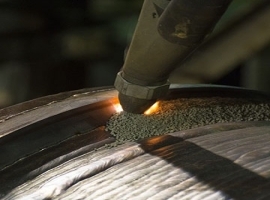
Understanding why moisture is so detrimental to the SAW process is the first step toward controlling it. The granular flux shields the molten weld pool from atmospheric contamination, stabilizes the arc, and forms a protective slag that shapes the weld bead. When contaminated with moisture (H₂O), its performance is severely degraded.
During welding, the intense heat of the arc (which can exceed the flux's melting point of 2000 °C) breaks down water molecules into hydrogen and oxygen. The oxygen can contribute to a more oxidized weld metal, but the hydrogen is the primary concern. Molten steel can dissolve a significant amount of hydrogen, but as the weld cools and solidifies, the solubility of hydrogen drops dramatically. This excess hydrogen attempts to escape, leading to several common and dangerous weld defects:
- Hydrogen-Induced Cracking (HIC): Also known as cold cracking or delayed cracking, this is the most severe defect. Trapped hydrogen atoms migrate to areas of high stress in the weld and heat-affected zone (HAZ), causing microscopic fissures that can grow into major cracks hours or even days after welding is complete.
- Porosity: As hydrogen gas tries to escape the solidifying weld metal, it can become trapped, forming bubbles. These voids, known as porosity, reduce the cross-sectional area of the weld and act as stress risers, weakening the joint.
- Inconsistent Arc Stability: High moisture levels in the flux can lead to an erratic and unstable arc, resulting in poor bead appearance, inconsistent penetration, and an overall lack of process control.
- Poor Slag Detachability: A properly formulated flux creates a slag that is easy to remove after welding. Moisture can alter the slag's chemistry, making it difficult to detach and significantly increasing post-weld cleaning time.
At Oldwelders, we ensure our products start with the lowest possible moisture content. Our manufacturing process, certified under ISO 9001 quality management standards, utilizes premium raw materials like dolomite and bauxite, which are melted at 2000 °C to create a homogenous, vitrified flux. This process drives off initial moisture, but protection from atmospheric humidity becomes the user's responsibility once the package is opened.
Selecting the Appropriate Flux Container for Your Operations
The term "flux container" encompasses a range of equipment, from the manufacturer's original packaging to sophisticated heated storage systems. Choosing the right combination for your facility depends on your weld volume, shop-floor environment, and quality requirements.
Manufacturer's Packaging
Modern welding fluxes are typically shipped in multi-wall, plastic-lined paper bags or durable poly-sacks designed to be moisture-resistant. This packaging is highly effective for transportation and storage, provided it remains sealed and undamaged. However, once a bag is opened, it no longer provides adequate protection, and the flux inside will begin to absorb ambient moisture immediately.
Heated Holding Ovens and Silos
For any serious SAW operation, a dedicated holding oven is an essential piece of equipment. These ovens are designed to maintain a large quantity of flux at a specific "holding" temperature, typically between 120 °C and 150 °C (250 °F to 300 °F). This temperature is high enough to prevent moisture from being absorbed but generally not high enough to re-dry flux that is already wet (which requires higher temperatures). A holding oven acts as the central, protected repository for all flux that has been removed from its original packaging, ensuring a ready supply of dry flux for the welding stations.
Welding Head Hoppers (Day Hoppers)
The hopper mounted directly on the SAW welding head is the final flux container before the material enters the weld zone. In humid environments or for critical applications, these hoppers should be heated. A heated hopper maintains the flux at the holding temperature right up to the point of use, providing the last line of defense against moisture pickup. It is a critical component for maintaining consistency, especially on long-duration welds common with an automatic welding machine.
Portable Heated Quivers
For maintenance tasks or smaller-scale operations where flux needs to be moved from a central holding oven to a distant welding station, a portable heated quiver can be invaluable. These smaller, mobile units function like miniature holding ovens, ensuring the flux does not get re-exposed to the atmosphere during transit across the shop floor.
Establishing a Robust Flux Handling and Storage Protocol
Having the right equipment is only half the battle. A documented, repeatable procedure ensures that every operator handles flux correctly, leading to consistent weld quality. A comprehensive protocol should cover the entire lifecycle of the flux within your facility.
- Receiving and Initial Storage: Upon arrival, inspect all pallets of flux for torn or damaged packaging. Store the bags in a dry, enclosed area, elevated on pallets away from concrete floors, which can transmit moisture. Implement a First-In, First-Out (FIFO) system to ensure older stock is used first.
- Conditioning and Re-drying: Before use, transfer flux from its original packaging into a holding oven set to the manufacturer's recommended holding temperature. If a bag has been damaged or left open, or if the flux is known to be contaminated with moisture, it must be re-dried. Re-drying requires higher temperatures (e.g., 300-350 °C or 570-660 °F) for a specific duration. Always consult the flux data sheet for precise re-drying instructions, as overheating can damage the flux.
- Transfer and In-Use Management: Minimize the time flux is exposed to open air. Transfer it quickly from the main holding oven to the heated hopper on the welding machine. At the end of a shift, any flux remaining in the unheated day hoppers should be considered potentially moist. Best practice is to either discard it or place it in a separate, marked container for re-drying. Never mix it back in with the certified dry flux in the main holding oven.
- Managing Recycled Flux: Flux recovery systems are economical but introduce a risk of contamination. All recovered flux must be passed through a screen to remove slag, mill scale, and other debris. Because it has been exposed to the atmosphere and the heat of the arc, recycled flux must always be re-dried before reuse. It is typically blended with new flux at a specified ratio (e.g., 20% recycled to 80% new) to maintain the correct chemistry and particle size distribution. With a production capacity of 100 tons a day from our six production lines, we ensure our partners have a reliable supply of new, high-quality flux, reducing over-reliance on potentially compromised recycled material.
Common Mistakes in Flux Management and How to Avoid Them
Even with good intentions, simple errors in flux handling can lead to significant quality issues. Welding supervisors should be vigilant in training operators to avoid these common mistakes:
- Leaving Bags Open: The most common error is slitting a bag open and leaving it next to the machine for a whole shift. The flux inside will act like a sponge, absorbing humidity from the shop air.
- Improper Storage: Storing flux bags directly on a concrete floor, especially in a non-climate-controlled warehouse, is a recipe for moisture contamination.
- Ignoring Manufacturer Recommendations: Every type of flux has a specific set of recommended holding and re-drying temperatures and times. Guessing or using a one-size-fits-all approach can either fail to remove moisture or damage the flux.
- Contaminating the Holding Oven: Never return "used" flux from a day hopper back into the main holding oven. This action contaminates the entire batch of certified dry flux. Create a separate process for handling this leftover material.
- Neglecting Equipment Maintenance: Ensure that holding ovens and heated hoppers are functioning correctly and that their temperature gauges are calibrated. A malfunctioning flux container provides a false sense of security. Clean hoppers and recovery systems regularly to prevent a buildup of fines and contaminants.
A Systemic Approach to Weld Quality
Preventing moisture pickup in SAW flux is not about a single piece of equipment but about a complete system and a disciplined culture of quality. From the moment flux arrives at your facility until it is consumed in the arc, every step in the handling process presents an opportunity to either protect or compromise its condition. By investing in the proper storage equipment, such as heated holding ovens and hoppers, and implementing a clear, written handling protocol, you can effectively eliminate moisture as a variable in your welding operations.
This systemic approach ensures that the high quality engineered into a premium product like our submerged arc welding flux hj431 is delivered consistently at the weld joint. As an ISO 9001 certified supplier with experience serving demanding industrial markets in Brazil, Thailand, and Australia, we understand that process control is paramount. A sound flux management strategy, built around the effective use of the proper flux container, is a cornerstone of that control, safeguarding your projects against defects and ensuring the long-term integrity of your welded fabrications.