
Prevent Porosity with Electrode Core Wire Fillers
Understanding How Electrode Core Wire Fillers Prevent Welding Porosity
Porosity, characterized by small gas pockets within a weld, represents a significant challenge in metal fabrication. It compromises the structural integrity and aesthetic quality of a weld, leading to potential failures and costly rework. For production welders and quality control managers, consistently achieving porosity-free welds is paramount. While numerous factors contribute to porosity, the composition and quality of the welding filler material play a critical role, particularly the electrode core wire.
At Oldwelders, we understand the intricate science behind flawless welds. Our commitment to excellence, backed by welding materials engineered for superior performance, helps our partners in industries from Brazil to Australia achieve their quality objectives. This article delves into how the right Electrode Core Wire fillers are instrumental in preventing porosity, offering practical guidance for process improvement.
The Detrimental Effects of Porosity in Welds
Porosity is not merely a superficial defect; it is a fundamental flaw that can severely impact the mechanical properties of a weld. These gas inclusions act as stress concentrators, reducing the tensile strength, ductility, and fatigue resistance of the welded joint. In critical applications, such as structural components or high-pressure vessels, porosity can lead to catastrophic failures. Visible porosity often necessitates complete removal and re-welding, incurring significant time, labor, and material costs. Even sub-surface porosity, detectable only through non-destructive testing, requires remediation, disrupting production schedules and increasing overheads.
Common causes of porosity include inadequate shielding gas coverage, excessive arc length, contaminated base metal, high travel speed, and improper filler material selection. While addressing environmental and procedural factors is crucial, the intrinsic quality and characteristics of the Electrode Core Wire fillers are often overlooked yet vital components of a robust porosity prevention strategy.
The Role of Electrode Core Wire in Weld Integrity
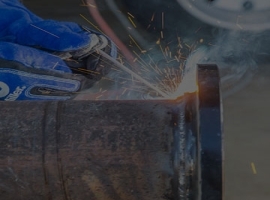
The core wire forms the metallic backbone of a coated welding electrode. Its primary function is to provide the bulk of the filler metal for the weld joint. However, its influence extends far beyond mere volume. The chemical composition of the Electrode Core Wire directly affects the molten weld pool's behavior, including its fluidity, solidification characteristics, and susceptibility to gas absorption.
High-quality Electrode Core Wire is manufactured from precisely controlled alloys, ensuring consistent performance. Impurities within the core wire, even in trace amounts, can introduce gases or form compounds that lead to porosity. For instance, excessive sulfur or phosphorus can promote hot cracking and contribute to gas evolution during solidification. Furthermore, the surface condition of the core wire – its cleanliness and freedom from rust, oil, or moisture – is critical. Contaminants on the wire surface can decompose under arc heat, releasing hydrogen, oxygen, and other gases directly into the weld pool, resulting in widespread porosity.
Oldwelders' Quality Assurance for Core Wire Materials
At Oldwelders, our dedication to quality is unwavering. As an ISO 9001 certified manufacturer, we adhere to stringent quality management systems at every stage of production. This certification underscores our commitment to consistently providing products that meet international standards and customer expectations. Our robust quality control begins with the selection of raw materials for all our products, including the specialized ores like dolomite, bauxite, cryolite, silica, and fluorine ore, which are melted at 2000 °C to create our premium welding fluxes. This meticulous attention to raw material purity extends to the metallic components of our core wires, ensuring that our Electrode Core Wire products contribute to superior weld quality and minimal porosity.
Mechanisms by Which Electrode Core Wire Prevents Porosity
The design and material science behind effective Electrode Core Wire fillers incorporate several mechanisms to actively combat porosity:
-
Deoxidizers and Denitrifiers: Many Electrode Core Wire compositions include elements like manganese, silicon, titanium, and aluminum. These elements act as powerful deoxidizers and denitrifiers. Oxygen and nitrogen, if present in the weld pool, readily react to form gas bubbles that become entrapped during solidification. Deoxidizers chemically combine with oxygen to form solid slag particles, which float to the surface of the weld pool and are easily removed. Similarly, denitrifiers bind with nitrogen, preventing the formation of harmful gas pores.
-
Controlled Alloying Elements: Beyond deoxidizers, other alloying elements in the core wire are carefully balanced to optimize the weld pool's fluidity and solidification characteristics. A weld pool that remains molten for an appropriate duration allows gases to escape before solidification, while a controlled solidification rate prevents rapid trapping of bubbles. Elements like nickel and molybdenum can enhance toughness and strength, but their interaction with deoxidizers and the overall gas-shielding environment is crucial for porosity control.
-
Cleanliness and Manufacturing Precision: The manufacturing process of Electrode Core Wire at Oldwelders prioritizes cleanliness and precision. Our state-of-the-art facility, spanning 1000 square meters with six production lines, is designed to minimize contamination. This ensures that the core wire itself is free from detrimental surface contaminants and internal inclusions that could become sources of gas during welding. With a daily production capacity of 100 tons, we maintain consistent quality across large volumes, supporting the demands of our global partners in markets such as Malaysia and Thailand. We also cater to orders starting from 1 ton, ensuring flexibility for various project scales.
-
Moisture Resistance: While often associated with the flux coating, the core wire's interaction with moisture can also be a factor. High-quality core wires are processed and packaged to minimize moisture absorption, preventing the introduction of hydrogen into the weld pool, which is a primary cause of hydrogen-induced porosity.
Selecting the Optimal Electrode Core Wire for Porosity Control
Choosing the correct Electrode Core Wire involves considering several factors beyond just the base metal composition:
-
Matching Base Metal Chemistry: The core wire's chemical composition should be compatible with the base metal to ensure a metallurgically sound weld. This includes matching strength, ductility, and corrosion resistance properties. Consulting material data sheets and welding procedure specifications (WPS) is essential.
-
Deoxidizer Content: For welding on materials with rust, mill scale, or other surface contaminants, a core wire with a higher deoxidizer content (e.g., specific grades designed for dirty steels) can be beneficial in scavenging oxygen and preventing porosity.
-
Shielding Gas Compatibility: While this article focuses on the core wire, it's crucial to remember that the core wire's performance is often synergistic with the chosen shielding gas. Ensure the core wire is designed to perform optimally with the specific gas mixture being used (e.g., CO2, argon-CO2 blends).
-
Application Requirements: The specific application (e.g., thin sheet metal, heavy structural steel, pipe welding) will influence the required wire diameter, deposition rate, and overall weld characteristics. Oldwelders offers a diverse range of welding wire and electrode options to suit varied industrial needs.
Best Practices for Minimizing Porosity with Electrode Core Wire
Even with the highest quality Electrode Core Wire, proper welding techniques and environmental controls are indispensable:
-
Base Metal Preparation: Always ensure the base metal is clean, dry, and free from rust, oil, paint, and other contaminants. Grinding or wire brushing the joint area can significantly reduce porosity risks.
-
Appropriate Welding Parameters: Maintain correct voltage, amperage, and travel speed as specified by the welding procedure. Excessive current can overheat the weld pool, leading to gas entrapment, while insufficient current may result in poor fusion and inadequate deoxidizer activity.
-
Proper Arc Length: Keep a consistent and appropriate arc length. An excessively long arc can lead to increased exposure of the weld pool to atmospheric gases, overwhelming the deoxidizers in the core wire and flux coating.
-
Shielding Gas Flow Rate: For processes utilizing external shielding gas, ensure the flow rate is optimized. Too little gas provides insufficient protection, while too much can create turbulence, drawing atmospheric air into the weld zone.
-
Filler Material Storage: Store Electrode Core Wire and electrodes in dry, controlled environments to prevent moisture absorption. Even small amounts of moisture can introduce hydrogen into the weld, causing porosity.
Oldwelders' Commitment to Your Welding Success
At Oldwelders, we are more than just a supplier; we are a partner in your welding operations. Our extensive product range, including superior welding machines, welding wires, welding rods, and welding fluxes, is designed to meet the rigorous demands of industrial welding. We understand that reliable performance is crucial, which is why we offer a 30-day assurance on our products, reflecting our confidence in their quality and durability.
Our capacity to supply 100 tons of product per day from our six advanced production lines ensures that your projects, whether in Thailand, Malaysia, or other global markets, receive timely and consistent high-quality materials. By choosing Oldwelders, you opt for a partner whose Electrode Core Wire and other welding consumables are engineered for reliability, helping you prevent porosity and achieve consistently strong, defect-free welds.
For inquiries regarding our welding solutions or to discuss your specific requirements, please contact our expert team. We are ready to support your pursuit of welding excellence.