
Prevent Hydrogen Cracks in Pipeline Welds
Preventing Hydrogen Cracks in Pipeline Welding Ensures Structural Integrity
For QA managers and site welding supervisors, ensuring the long-term integrity of critical infrastructure projects is paramount. One of the most insidious threats to weld quality, particularly in pipeline welding, is hydrogen cracking, also known as cold cracking or delayed cracking. This defect can manifest hours or even days after welding, leading to costly failures, operational disruptions, and significant safety risks. Understanding the mechanisms behind hydrogen cracking and implementing robust preventive measures is essential for achieving reliable, high-performance welds.
At Oldwelders, we understand the critical nature of your projects. As an ISO 9001 certified manufacturer, we are committed to providing top-tier welding materials and equipment designed to meet the rigorous demands of industrial applications. Our expertise helps professionals like you proactively mitigate risks associated with delayed cracking, ensuring the structural integrity of your pipeline systems across diverse markets including Brazil, Thailand, Australia, and Malaysia.
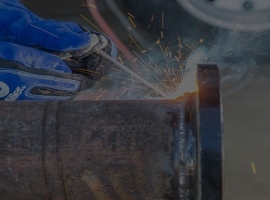
Understanding Hydrogen Cracking in Pipeline Welding
Hydrogen cracking is a form of brittle fracture that occurs in the heat-affected zone (HAZ) or weld metal of susceptible steels. It is a complex phenomenon requiring the simultaneous presence of four key factors:
- Diffusible Hydrogen: Hydrogen atoms readily dissolve in molten weld metal but have low solubility in solid steel. As the weld cools, hydrogen tries to escape, leading to high internal pressures and accumulation at microstructural traps.
- Susceptible Microstructure: Steels with high hardenability, such as those forming martensite or bainite during rapid cooling, are more prone to hydrogen cracking. These microstructures are hard and brittle, offering little resistance to crack propagation.
- High Tensile Stress: Residual stresses from welding shrinkage, external loads, or joint restraint provide the necessary driving force for crack initiation and propagation.
- Low Temperature: The cracking typically occurs at ambient or slightly elevated temperatures, often referred to as "cold cracking," as opposed to hot cracking which occurs at high temperatures.
The primary sources of hydrogen in the welding environment include moisture in welding fluxes, shielding gases, or even surface contaminants like oil, grease, paint, and rust. Even small amounts of hydrogen can be detrimental, making stringent control imperative. Recognizing these factors is the first step towards developing effective prevention strategies for all pipeline welding operations.
Strategic Consumable Management for Secure Pipeline Welding
The selection and proper handling of welding consumables are paramount in preventing hydrogen cracking. Oldwelders provides a comprehensive range of welding wire, welding rods, and welding fluxes manufactured to stringent quality standards, crucial for critical applications such as pipeline welding.
Selecting Low-Hydrogen Consumables
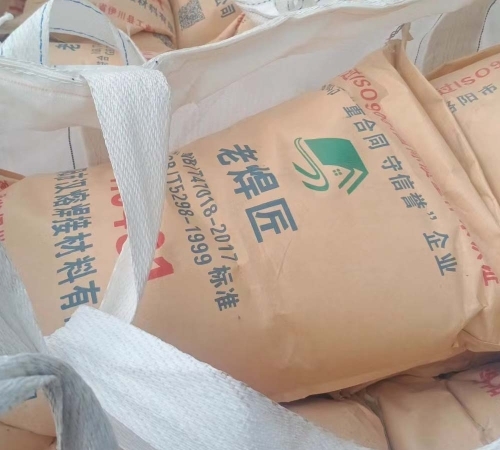
Opt for low-hydrogen electrodes and fluxes whenever possible. These consumables are specifically designed to minimize the introduction of hydrogen into the weld pool. For instance, basic coated electrodes (e.g., AWS E7018) contain very little moisture and are a preferred choice for high-strength steels. Our submerged arc welding flux HJ431, for example, is produced from excellent raw materials like dolomite, bauxite, cryolite, silica, and fluorine ore, melted at 2000 °C, ensuring a high-quality, stable product with minimal impurities.
Proper Storage and Re-baking Procedures
Even low-hydrogen consumables can absorb moisture from the atmosphere if not stored correctly. Proper storage in dry, heated ovens or hermetically sealed containers is crucial. For welding rods, strict re-baking procedures according to manufacturer specifications must be followed before use. This process drives out any absorbed moisture, significantly reducing the risk of hydrogen introduction during the welding process. For organizations requiring consistent supply, our plant covers an area of 1000 square meters and has six production lines, capable of supplying 100 tons a day, ensuring that your project receives high-quality materials without delay, even for a minimum order quantity of 1 ton.
Surface Preparation
Beyond consumables, ensuring clean weld joint surfaces is vital. Remove all traces of moisture, oil, grease, paint, and rust prior to welding. These contaminants are significant sources of hydrogen and can compromise even the most carefully selected consumables. Thorough preparation, combined with the use of high-quality automatic welding machine technologies, forms a critical barrier against hydrogen-induced cracking.
Thermal Management and Controlled Environments for Pipeline Welding
Controlling the thermal cycle and environmental conditions during welding is another critical aspect of preventing hydrogen cracking. Proper preheat, interpass temperature control, and post-weld heating strategies are essential.
Preheating
Preheating the weld joint before welding serves several purposes critical to hydrogen crack prevention:
- Slowing Cooling Rate: Preheating reduces the cooling rate of the weld metal and HAZ, allowing more time for hydrogen to diffuse out of the susceptible regions before the microstructure hardens. This promotes the formation of tougher, less crack-prone microstructures.
- Hydrogen Diffusion: It increases the diffusion rate of hydrogen, helping it escape from the weld area before it can cause damage.
- Stress Reduction: Preheating reduces the temperature differential between the weld and base metal, thereby lowering thermal stresses.
Interpass Temperature Control
Maintaining a consistent interpass temperature is as important as the initial preheat. Allowing the weld to cool too much between passes can reintroduce the risk of hydrogen accumulation and rapid cooling, negating the benefits of preheating. Monitoring devices and strict adherence to the Welding Procedure Specification (WPS) are necessary to ensure temperatures remain within the specified range.
Post-Weld Heat Treatment (PWHT)
In some critical applications, especially with high-strength steels or thick sections, a post-weld heat treatment may be specified. PWHT involves heating the welded component to a specific temperature (typically below the lower critical transformation temperature) and holding it for a prescribed time, followed by controlled cooling. This process:
- Further promotes hydrogen diffusion out of the weldment.
- Reduces residual stresses.
- Modifies the microstructure, improving toughness and ductility.
While PWHT can be costly and time-consuming, it is an invaluable tool for ensuring the highest level of integrity in demanding pipeline welding projects.
Quality Assurance and Inspection in Pipeline Welding
Implementing a rigorous quality assurance and inspection program is fundamental to verifying the effectiveness of hydrogen crack prevention measures in pipeline welding. This encompasses everything from pre-weld checks to final non-destructive testing.
Welding Procedure Specification (WPS) and Welder Qualification
A well-defined WPS is the blueprint for quality welding. It details all critical parameters, including consumable type, preheat and interpass temperatures, heat input, welding position, and post-weld treatments. Adherence to a qualified WPS, coupled with certified and experienced welders, is the cornerstone of preventing defects. Oldwelders supports this by ensuring our welding products conform to international standards, simplifying compliance for your projects.
Real-time Monitoring and Control
Modern welding equipment, including advanced MIG-MAG-TIG welding machine systems, offers features for real-time monitoring of welding parameters. This allows for immediate adjustments to maintain optimal conditions and prevent deviations that could lead to hydrogen entrapment or undesirable microstructures. Consistent monitoring helps maintain the integrity of every pass.
Non-Destructive Testing (NDT)
After welding, various NDT methods are employed to detect any latent defects, including hydrogen cracks. These may include:
- Visual Inspection: A preliminary check for surface discontinuities.
- Magnetic Particle Testing (MPT) or Liquid Penetrant Testing (LPT): For detecting surface-breaking cracks.
- Ultrasonic Testing (UT) or Radiographic Testing (RT): For detecting internal discontinuities, including hydrogen cracks that may not yet have propagated to the surface. UT is particularly effective for volumetric inspection of pipeline welds.
Given the delayed nature of hydrogen cracking, NDT is often performed after a specified hold time following welding, allowing sufficient time for cracks to develop if preventive measures were insufficient. This ensures that any potential issues are identified before the pipeline is put into service, safeguarding long-term operational reliability.
Conclusion
Preventing hydrogen cracks in pipeline welding is a multifaceted challenge that requires a holistic approach, combining meticulous planning, appropriate material selection, stringent process control, and comprehensive quality assurance. By understanding the underlying mechanisms and diligently implementing preventive strategies—from using low-hydrogen flux-cored wire and proper consumable handling to precise thermal management and robust inspection—QA managers and site welding supervisors can significantly reduce the risk of this devastating defect.
Oldwelders stands as your trusted partner in achieving superior weld quality. Our commitment to ISO 9001 quality standards, coupled with our extensive range of high-performance welding machines, welding wires, welding rods, and welding fluxes, empowers you to tackle the most demanding pipeline projects with confidence. With a reliable lead time of 30 days for orders, we ensure your critical projects stay on schedule, delivering exceptional results across your global operations.