
Optimizing Weld Chemistry with Electrode Core Wire
Understanding How Electrode Core Wire Composition Changes Weld Chemistry
In the intricate world of welding, the chemical composition of the final weld metal is paramount, dictating everything from mechanical strength and ductility to corrosion resistance and fatigue life. While many factors contribute to weld quality, the electrode core wire plays a profoundly significant role in shaping this chemistry. For welding engineers and fabricators, a deep understanding of how the core wire’s material composition influences the molten pool is essential for selecting the right consumables and achieving desired weld properties. This article delves into the mechanisms by which electrode core wire alters weld chemistry, offering insights critical for process qualification and application success.
The core wire of a welding electrode is not merely a carrier for the arc; it is a meticulously engineered component designed to introduce specific elements into the weld pool. These elements, whether deoxidizers, alloying agents, or slag formers, interact with the base metal and the surrounding atmosphere to create a weld deposit with tailored metallurgical characteristics. Oldwelders, a trusted provider of high-quality welding solutions, including various welding materials, recognizes the critical importance of these compositions in achieving superior weld performance across diverse industrial applications, serving markets from Brazil to Australia.
The Fundamental Role of Electrode Core Wire in Weld Chemistry
The primary function of the electrode core wire extends beyond simply providing filler metal. It acts as a controlled delivery system for various chemical elements that become integral to the final weld metal. During the welding process, the core wire melts, and its constituents mix with the molten base metal. This interaction fundamentally alters the chemical balance, influencing solidification behavior, microstructure, and ultimately, the mechanical and service properties of the weldment. The precise formulation of an electrode core wire is a complex science, balancing elemental additions to achieve specific metallurgical outcomes.
The quality and consistency of the core wire are non-negotiable for predictable weld chemistry. At Oldwelders, our commitment to quality is underscored by our ISO 9001 certification, ensuring that our manufacturing processes for welding consumables, including the critical core wire components, meet stringent international standards. This rigorous quality control is vital, especially when considering the subtle yet profound impact each element within the wire has on the final weld properties. From the moment the arc is struck, the core wire initiates a series of chemical reactions that define the integrity and performance of the welded joint.
Alloying Elements and Their Impact on Weld Properties
One of the most significant ways the electrode core wire changes weld chemistry is through the introduction of alloying elements. These elements are strategically added to enhance specific properties of the weld metal, often mimicking or surpassing the properties of the base material. The concentration and type of alloying elements are critical for achieving desired tensile strength, hardness, toughness, and corrosion resistance.
Manganese (Mn) and Silicon (Si)
- Manganese: Often present in significant amounts, manganese acts as a powerful deoxidizer, scavenging oxygen from the weld pool to prevent porosity. It also contributes to strength and toughness by solid-solution strengthening and promoting specific microstructures like acicular ferrite, which enhances impact resistance.
- Silicon: Similar to manganese, silicon is an effective deoxidizer. It also increases the fluidity of the weld pool, improving bead shape and wetting characteristics. In higher concentrations, silicon can improve tensile strength, but excessive amounts may lead to brittleness.
Chromium (Cr) and Nickel (Ni)
- Chromium: A key element for corrosion resistance, especially in stainless steels. Chromium forms a passive oxide layer that protects the weld from environmental degradation. It also enhances high-temperature strength and oxidation resistance. The amount of chromium in the flux-cored wire or solid wire is crucial for matching the corrosion resistance of the parent metal.
- Nickel: Primarily added for improving toughness and ductility, particularly at low temperatures. Nickel is also a strong austenite former, which is vital for maintaining the austenitic structure in stainless steels, preventing the formation of brittle phases.
Molybdenum (Mo) and Vanadium (V)
- Molybdenum: Significantly enhances creep strength and high-temperature performance, making it essential for alloys used in demanding applications like power generation and petrochemical industries. It also improves hardenability and corrosion resistance.
- Vanadium: Acts as a potent grain refiner and strengthens the weld metal through precipitation hardening, leading to increased tensile strength and yield strength.
The precise balance of these elements within the electrode core wire allows for the creation of weld metals tailored for specific applications, whether it's for high-strength structural steel, corrosion-resistant stainless steel, or heat-resistant alloys. Oldwelders ensures that the composition of our welding consumables is meticulously controlled to deliver consistent and predictable metallurgical outcomes.
Slag Formers, Deoxidizers, and Stabilizers in the Core Wire
Beyond alloying elements, the electrode core wire also contains components that contribute to the welding process itself, forming slag, deoxidizing the weld pool, and stabilizing the arc. These elements are crucial for protecting the molten metal from atmospheric contamination and ensuring a sound, defect-free weld.
Deoxidizers and Denitriders
As mentioned, silicon and manganese are common deoxidizers. Other elements like titanium (Ti) and aluminum (Al) are also potent deoxidizers, reacting with oxygen in the weld pool to form stable oxides that float to the surface and become part of the slag. This prevents the formation of oxide inclusions within the weld metal, which can act as stress concentrators and reduce mechanical properties. Similarly, elements like titanium and zirconium (Zr) can act as denitriders, removing nitrogen from the weld pool, which helps prevent porosity and embrittlement.
Slag Formers
The core wire often contains components that contribute to the formation of a protective slag layer over the solidifying weld metal. These can include oxides of calcium, magnesium, silicon, and aluminum. This slag serves multiple purposes:
- Protection: It shields the molten metal from atmospheric oxygen and nitrogen until it solidifies, preventing oxidation and nitridation.
- Shape Control: The slag helps to shape the weld bead, providing a smooth, uniform profile.
- Metallurgical Refinement: The slag can participate in refining reactions, absorbing impurities from the weld pool.
- Cooling Rate Control: The insulating layer of slag helps to slow the cooling rate of the weld, which can be beneficial for controlling microstructure and reducing residual stresses.
The quality of these slag-forming components is critical. Oldwelders prides itself on using excellent raw materials for its flux products, including dolomite, bauxite, cryolite, silica, and fluorine ore, which are melted at 2000 °C. This meticulous process ensures the superior performance of our welding fluxes, whether for welding fluxes or as integral components of our cored wires.
Arc Stabilizers
Certain elements within the core wire or coating, such as potassium and sodium compounds, act as arc stabilizers. They provide easily ionizable elements in the arc column, ensuring a stable and consistent arc. This stability is crucial for consistent heat input, which aids in predictable melting and solidification, further influencing the weld chemistry and microstructure.
Impact on Weldability, Microstructure, and Post-Weld Properties
The chemical changes introduced by the electrode core wire don't just affect the final composition; they profoundly influence the entire welding process and the ultimate performance of the welded component. Understanding these interconnected effects is vital for welding engineers.
Weldability Characteristics
The elements in the core wire impact various weldability aspects:
- Arc Stability: As mentioned, arc stabilizers ensure a consistent arc, leading to uniform melting and penetration.
- Weld Pool Fluidity: Elements like silicon influence the viscosity of the molten metal, affecting bead shape, wetting, and ease of manipulation.
- Spatter Levels: Optimized core wire compositions can reduce spatter, improving material utilization and reducing post-weld cleaning.
- Penetration Profile: Certain elements can influence the arc force and surface tension characteristics of the weld pool, thereby affecting the depth and width of penetration.
Microstructure Formation
The most critical consequence of altered weld chemistry is its effect on the weld metal's microstructure. Alloying elements influence phase transformations during solidification and subsequent cooling. For example:
- The ratio of manganese to silicon can influence the formation of beneficial acicular ferrite in steel welds, which is known for its excellent toughness.
- Chromium and nickel content in stainless steel electrodes determines the balance between austenite, ferrite, and martensite, directly impacting corrosion resistance and mechanical strength.
- Grain refiners like titanium and vanadium promote finer grain structures, which generally lead to improved strength and toughness.
Controlling these microstructural features through precise core wire chemistry is central to achieving desired mechanical properties.
Post-Weld Properties
The ultimate goal of tailoring weld chemistry is to ensure the final weldment meets specific performance criteria. This includes:
- Tensile Strength and Yield Strength: Directly influenced by solid-solution strengthening and precipitation hardening from alloying elements.
- Ductility and Toughness: Governed by the microstructure (e.g., presence of acicular ferrite, absence of brittle phases) and the cleanliness of the weld metal (absence of inclusions).
- Corrosion Resistance: Primarily determined by the presence and distribution of elements like chromium, nickel, and molybdenum, especially in aggressive environments.
- Creep and Fatigue Resistance: Enhanced by elements that promote stable microstructures and prevent grain boundary sliding at elevated temperatures or under cyclic loading.
Oldwelders understands that the success of a project often hinges on these critical post-weld properties. Our extensive manufacturing capabilities, with a plant covering 1000 square meters and six production lines capable of supplying 100 tons a day, ensure that we can meet the demand for high-performance welding consumables globally, including for our clients in Thailand and Malaysia.
Selecting the Right Electrode Core Wire for Your Application
Given the profound influence of electrode core wire on weld chemistry and performance, selecting the appropriate consumable is a critical engineering decision. This involves a comprehensive evaluation of the base metal's composition, the service environment, required mechanical properties, and the welding process itself.
Welding engineers must consider:
- Base Metal Compatibility: The core wire chemistry should ideally complement the base metal to achieve a homogeneous weld joint. Dissimilar metal welding requires careful consideration of dilution and potential for brittle intermetallic phases.
- Mechanical Property Requirements: If high strength, toughness, or ductility is needed, the core wire must introduce the necessary alloying elements in the correct proportions.
- Environmental Conditions: For corrosive or high-temperature environments, specific alloying elements (e.g., Cr, Ni, Mo) are essential for long-term performance.
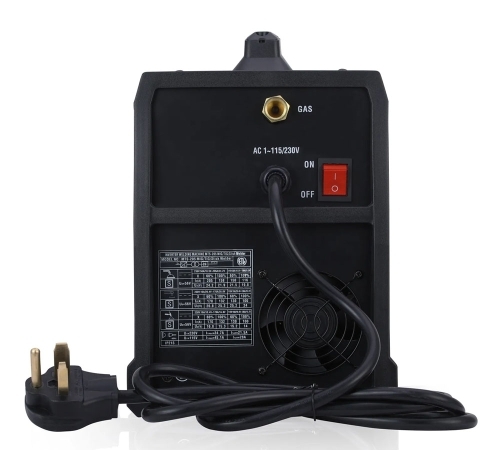
- Welding Process: Different welding processes, such as those performed with an arc welding machine or a automatic welding machine, may have specific requirements for core wire characteristics related to arc stability and slag system.
Oldwelders offers a diverse range of welding consumables, from welding wire to welding rods and fluxes, designed to meet the rigorous demands of various industries. Our technical team can assist in selecting the optimal consumable, ensuring that the electrode core wire composition aligns perfectly with your project's specifications and performance expectations. We understand that for certain specialized orders, a minimum order quantity of 1 ton or a lead time of 30 days may apply, reflecting the precision and dedicated manufacturing required for high-quality, customized solutions.
Conclusion
The electrode core wire is far more than just a filler material; it is the chemical architect of the weld metal. Its carefully formulated composition dictates the introduction of alloying elements, deoxidizers, slag formers, and arc stabilizers, all of which interact to shape the weld pool's chemistry, microstructure, and ultimately, its mechanical and service properties. For welding engineers, a thorough understanding of these mechanisms is indispensable for making informed decisions on consumable selection, ensuring that every weld meets the highest standards of integrity and performance.
Oldwelders is committed to providing welding professionals with high-quality consumables that deliver consistent and predictable results. By leveraging advanced manufacturing processes and stringent quality control, we ensure that our products empower fabricators to achieve superior weld chemistry and robust, long-lasting weldments, supporting critical applications across the globe.