
Optimizing Post-Weld Cleaning: Remove Welding Slag
Optimizing Post-Weld Cleaning: Removing Welding Slag Effectively
The integrity and aesthetic appeal of a weld depend not only on the skill of the welder and the quality of the welding machine used but also on the meticulousness of post-weld cleaning. One of the most common byproducts of many welding processes is welding slag, a glassy, brittle residue that forms on the surface of the weld bead. While slag offers protective benefits during the welding process by shielding the molten metal from atmospheric contamination, its presence after the weld has cooled can compromise the weld's appearance, facilitate corrosion, and interfere with subsequent painting or coating applications. More critically, incomplete removal can mask underlying weld defects, leading to structural weaknesses. This guide delves into the importance of proper slag removal and outlines effective methods to achieve a clean, defect-free weld without causing damage.
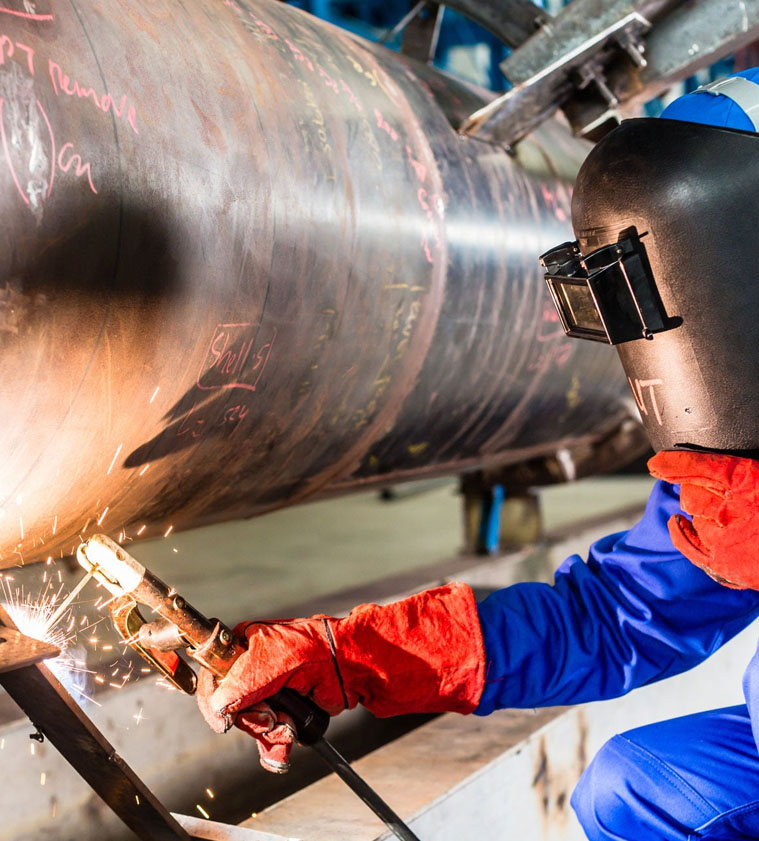
Understanding Welding Slag and Its Implications
Welding slag is primarily composed of fluxing agents, deoxidizers, and other compounds from the electrode coating or welding fluxes used in processes like Shielded Metal Arc Welding (SMAW), Submerged Arc Welding (SAW), and some flux-cored arc welding (FCAW) applications. During welding, the flux melts and forms a protective molten layer over the weld pool. As the weld cools and solidifies, this molten flux hardens into a solid slag layer. The composition and thickness of this layer vary significantly depending on the specific welding process, the type of electrode or flux, and the base material.
While beneficial during welding, hardened slag presents several challenges post-weld:
- Corrosion Risk: Slag can be hygroscopic, meaning it absorbs moisture, creating an environment conducive to corrosion beneath its layer, especially in outdoor or humid conditions.
- Impaired Aesthetics: For applications where visual appeal is crucial, residual slag is unacceptable. It detracts from the professional finish and can complicate inspections.
- Coating Adhesion Issues: Paint, powder coatings, or other protective layers will not adhere properly to surfaces contaminated with slag, leading to premature flaking or peeling.
- Hidden Defects: A layer of slag can obscure critical weld discontinuities like porosity, cracks, or undercut, making visual inspection difficult and potentially allowing defective welds to pass unnoticed.
- Re-welding Problems: In multi-pass welding, any remaining slag from a previous pass must be thoroughly removed. Failure to do so can lead to inclusions in subsequent passes, weakening the overall weld.
For these reasons, the complete and careful removal of welding slag is not merely a cosmetic step but a fundamental aspect of ensuring weld quality, longevity, and structural integrity in any professional application.
Essential Tools and Techniques for Slag Removal
Effective slag removal requires the right tools and a systematic approach. The choice of tools often depends on the type and amount of slag, the accessibility of the weld, and the sensitivity of the base material. Here are the primary tools and techniques recognized in the industry:
Chipping Hammers and Chisels
The chipping hammer is the most basic and widely used tool for breaking up and dislodging brittle slag. It features a hardened steel head, often with a chisel point on one side and a pick point on the other. For heavier or more stubborn slag, a hand chisel, used with a standard hammer, can provide more focused impact. The technique involves striking the slag at an angle, aiming to fracture it into smaller pieces without striking the weld bead or surrounding base metal directly. Care must be taken to avoid gouging the weld surface, especially with softer metals or thinner sections.
Wire Brushes and Grinders
Once the bulk of the slag has been chipped away, a wire brush is essential for removing finer particles and any remaining residue. Manual wire brushes are suitable for light cleaning and reaching tight spots. For larger areas or more tenacious slag, power tools like angle grinders fitted with wire wheel brushes or cup brushes are highly effective. These tools spin at high speeds, effectively scrubbing the weld surface clean. When using power brushes, select a wire type appropriate for the material (e.g., stainless steel brushes for stainless steel welds to prevent contamination) and apply consistent, moderate pressure to avoid polishing the slag back into the weld or excessively abrading the base metal.
Grinding Discs and Flap Discs
In cases of extremely heavy or tightly adhering slag, or when the weld bead itself requires profiling or surface finishing, grinding discs or flap discs may be necessary. Grinding discs remove material aggressively, while flap discs offer a more controlled removal and a finer finish. These tools should be used judiciously, as they can quickly remove significant amounts of base metal or weld material if not handled correctly. The goal is to remove only the slag and any surface imperfections, not to alter the critical dimensions or strength of the weld. Always use appropriate personal protective equipment (PPE), including eye protection and hearing protection, when operating grinders.
Needle Scalers
Pneumatic needle scalers are excellent for removing rust, paint, and heavy slag from irregular surfaces. They consist of multiple hardened steel needles that rapidly strike the surface, effectively breaking away deposits without causing excessive damage to the underlying material. Needle scalers are particularly useful for cleaning welds in complex geometries or areas where chipping hammers might not be effective due to space constraints.
Best Practices for Efficient and Damage-Free Slag Removal
To ensure effective removal of welding slag while preserving the integrity and quality of the weld, adherence to best practices is crucial for operators and shop managers alike:
- Allow for Adequate Cooling: Always allow the weld to cool sufficiently before attempting slag removal. Attempting to chip or brush hot slag can be less effective and potentially hazardous. Allowing cooling also reduces the risk of thermal distortion or stress in the weld.
- Work Systematically: Start by removing the heaviest slag deposits with a chipping hammer, working from the edges towards the center of the weld bead. Follow up with a wire brush to remove finer particles and ensure thorough cleaning. For multi-pass welds, clean each pass thoroughly before depositing the next. This prevents slag inclusions within the weld metal.
- Use the Right Angle and Pressure: When chipping, aim the hammer or chisel at an acute angle to the weld, trying to get underneath the slag layer. Use controlled strikes rather than brute force. For wire brushing, use moderate pressure and consistent strokes to avoid uneven cleaning or excessive material removal.
- Inspect Thoroughly: After initial cleaning, visually inspect the weld surface for any remaining slag, spatter, or other contaminants. A clean surface is essential for proper inspection and subsequent finishing processes. Consider using a magnifying glass or a strong light source for detailed inspection.
- Consider Material Compatibility: When using wire brushes or grinding tools, ensure they are compatible with the base metal. For example, using a carbon steel brush on stainless steel can embed carbon particles, leading to rust and contamination. Always use dedicated brushes for different material types.
- Safety First: Always wear appropriate PPE, including safety glasses or a face shield, gloves, and hearing protection, especially when using power tools. Flying slag particles and wire bristles can cause serious injury.
Preventing Excessive Slag Formation Through Quality Materials
While effective removal is vital, preventing excessive slag formation in the first place can significantly reduce post-weld cleaning time and effort. This often comes down to selecting high-quality welding materials and optimizing welding parameters.
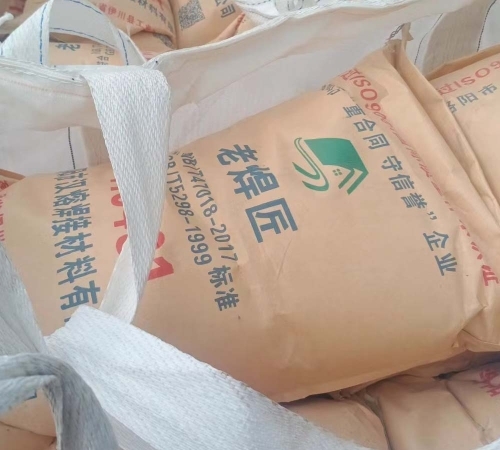
Oldwelders understands the importance of minimizing post-weld cleanup, which is why we emphasize the quality of our welding fluxes, wires, and rods. Our commitment to excellence is underscored by our ISO 9001 certification, ensuring that every product meets rigorous international standards. Our manufacturing process, from raw material selection to final product, is meticulously controlled. For instance, the raw materials for our superior flux products, including excellent dolomite, bauxite, cryolite, silica, and fluorine ore, are melted at a precise 2000 °C. This high-temperature melting process contributes to the consistent quality and optimized performance of our fluxes, leading to manageable slag that is easier to remove.
Factors influencing slag formation and prevention:
- Correct Electrode/Flux Selection: Different types of electrodes and fluxes are designed for specific applications and base metals. Choosing the correct submerged arc welding flux HJ431 or AWS E6013 welding electrodes ensures optimal arc stability, penetration, and, importantly, controlled slag characteristics. High-quality fluxes are formulated to produce a slag that is easily detachable upon cooling.
- Optimized Welding Parameters: Correct amperage, voltage, travel speed, and electrode angle play a crucial role. Welding too cold or too fast can result in insufficient flux melting and difficulty in slag removal. Conversely, welding too hot can lead to excessive spatter and a more tenacious slag layer.
- Base Metal Preparation: Ensuring the base metal is clean and free from rust, oil, paint, or excessive mill scale before welding can improve arc stability and reduce the likelihood of inclusions and difficult-to-remove slag.
- Proper Storage of Consumables: Welding rods and fluxes should be stored in dry conditions to prevent moisture absorption. Moist flux can lead to porosity and an inconsistent slag layer, making cleaning more challenging.
Our expansive plant, covering an area of 1000 square meters and equipped with six production lines, allows us to maintain a daily supply capacity of up to 100 tons. This robust infrastructure supports our ability to consistently deliver high-quality welding materials to our global partners in target markets such as Brazil, Thailand, Australia, and Malaysia, ensuring they have access to products that facilitate cleaner welds and more efficient operations.
Conclusion
The removal of welding slag is an indispensable step in achieving professional, high-quality welds. By understanding the nature of slag, employing the correct tools and techniques, and adhering to best practices, operators and shop managers can ensure that welds are not only structurally sound but also aesthetically pleasing and ready for subsequent finishing processes. Furthermore, investing in high-quality welding fluxes and consumables, like those manufactured by Oldwelders, can significantly streamline the post-weld cleaning process by producing easily detachable slag. Prioritizing meticulous slag removal contributes directly to the overall integrity, longevity, and professional reputation of any welding project.