
Optimizing Melt Temperature with Flux Raw Material Selection
Understanding How Flux Raw Material Influences Melt Temperature Control
In the intricate world of welding and metallurgy, the precise control of melt temperature is paramount for achieving optimal material properties, weld integrity, and process efficiency. While advanced machinery and skilled operators play significant roles, the fundamental composition of the flux used is often the unsung hero in this thermal orchestration. Understanding which specific welding materials, particularly the constituents of welding fluxes and their Flux Raw Material composition, contribute to temperature regulation is crucial for process engineers and technical buyers. Oldwelders, with a deep-rooted expertise in producing high-quality welding solutions, understands these complexities intimately. Our commitment to excellence is underscored by our welding fluxes, which are developed using carefully selected raw materials, ensuring consistent performance and optimal melt control.
The Critical Role of Flux Raw Materials in Melt Dynamics
Fluxes serve multiple essential functions in high-temperature processes, from protecting the molten metal from atmospheric contamination to stabilizing the arc and influencing the final metallurgical properties of the weld or cast. Among these functions, the ability to control and guide the melt temperature profile is exceptionally vital. The selection of specific submerged arc welding flux hj431 and other flux types, based on their Flux Raw Material composition, directly impacts the heat input requirements, solidification rates, and overall thermal management of the process. An incorrectly formulated flux can lead to excessive heat, insufficient penetration, or undesirable microstructures, compromising the integrity and performance of the final product.
At Oldwelders, our rigorous approach to flux production begins with the understanding that each component contributes to the overall thermal behavior. We are an ISO 9001 certified manufacturer, a testament to our unwavering dedication to quality management systems that govern every stage of our production, from raw material sourcing to final product delivery. This certification provides our clients with assurance that our processes are standardized and continuously monitored to meet global benchmarks for quality and reliability. Our comprehensive range of products extends beyond fluxes to include welding machine and electrode solutions, all manufactured under stringent quality controls to ensure they perform cohesively in demanding industrial environments.
Key Flux Raw Materials and Their Thermal Properties
The ability of a flux to control melt temperature stems from the thermal properties of its constituent raw materials. These materials, when combined, create a slag layer with specific melting points, viscosities, and heat transfer characteristics that directly influence the molten pool. Oldwelders meticulously selects and processes excellent dolomite, bauxite, cryolite, silica, and fluorine ore as the foundational raw materials for our flux products. Each of these ores undergoes a high-temperature melting process at 2000 °C during our production, ensuring their purity and optimal performance in the final flux.
- Dolomite: Primarily a calcium magnesium carbonate, dolomite contributes to the basicity of the flux. Higher basicity fluxes generally have higher melting points and can influence the amount of heat required for melting. It also helps in slag formation, which insulates the weld pool and controls heat dissipation.
- Bauxite: Rich in aluminum oxides, bauxite is crucial for forming stable slag systems. Aluminum oxides can elevate the melting temperature of the slag and increase its viscosity, which helps in shielding the molten metal and slowing down the cooling rate, thereby influencing the overall thermal cycle.
- Cryolite: Sodium aluminum fluoride, cryolite, is often used as a fluxing agent in various metallurgical processes due to its low melting point and ability to dissolve other oxides. In welding fluxes, it can help to lower the melting temperature of the slag, improving fluidity and facilitating the removal of impurities, while also affecting the arc stability characteristics.
- Silica: Silicon dioxide, or silica, is a common acidic component in fluxes. It contributes to slag formation and can significantly affect the slag's melting point and viscosity. Higher silica content often leads to lower melting point slags and increased fluidity, which can be advantageous in certain applications for controlling the melt pool shape and solidification front.
- Fluorine Ore (e.g., Fluorite): Fluorine-containing minerals like fluorite (calcium fluoride) are powerful fluxing agents. They reduce the melting point and viscosity of the slag, making it more fluid and improving its ability to absorb impurities. This reduction in slag viscosity can lead to better weld bead shape and easier slag removal, indirectly influencing the thermal management by allowing for more efficient heat transfer and reduced heat input requirements.
The careful balance and precise granulometry of these materials ensure that Oldwelders' fluxes provide predictable and consistent melt temperature control, essential for critical applications across various industries.
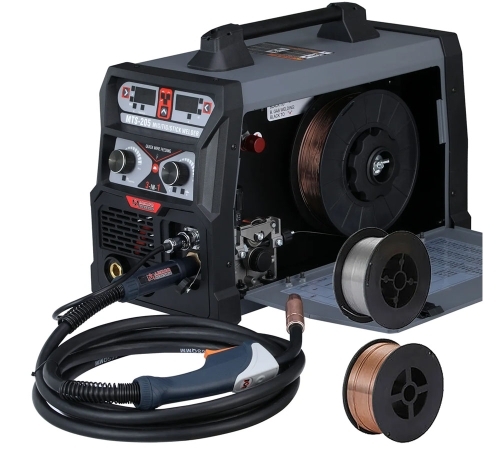
Optimizing Melt Temperature Through Strategic Flux Composition
The art and science of flux formulation lie in understanding the synergistic interactions between these raw materials. It is not merely about individual properties but how they collectively behave under the extreme conditions of a welding arc or a metallurgical furnace. Oldwelders' commitment to research and development allows us to engineer specific flux compositions that target precise melt temperature profiles, catering to diverse industrial requirements.
For instance, in applications demanding rapid solidification and minimized heat-affected zones, a flux designed to promote a lower slag melting point and higher fluidity might be preferred. Conversely, processes requiring slower cooling for grain refinement or deeper penetration may benefit from fluxes that create a more viscous, insulating slag with a higher melting range. Our technical team works closely with clients to understand their specific process parameters and material requirements, ensuring that the selected welding fluxes deliver optimal performance.
Our manufacturing capabilities further reinforce our ability to provide consistent, high-quality products. Our plant covers an area of 1000 square meters and is equipped with six advanced production lines. This robust infrastructure allows us to maintain a daily production capacity of 100 tons, ensuring that we can meet the demands of large-scale industrial projects without compromising on quality or delivery schedules. This significant capacity, combined with our stringent quality control measures, means that Oldwelders is a reliable partner for businesses worldwide seeking superior welding solutions.
Oldwelders' Commitment to Quality and Global Supply
Our philosophy at Oldwelders is built on providing not just products, but comprehensive solutions that empower our clients to achieve their operational goals. This dedication extends to our global reach, serving key markets such as Brazil, Thailand, Australia, and Malaysia. Our understanding of regional industrial needs and logistical capabilities ensures that our high-quality arc welding machine, welding wire, welding rod, and welding fluxes are accessible to a broad international clientele.
We pride ourselves on the consistency and reliability of our supply chain. For our flux products, we offer a minimum order quantity (MOQ) of just 1 ton, making our specialized materials accessible to a wider range of businesses, from niche fabricators to large-scale manufacturers. Furthermore, our efficient production and logistics typically ensure a lead time of 30 days, allowing our clients to plan their procurement with confidence and minimize operational disruptions. This combination of quality, capacity, and responsive service positions Oldwelders as a preferred partner in the global welding and metallurgical industries.
The superior quality of the Flux Raw Material – excellent dolomite, bauxite, cryolite, silica, and fluorine ore – is not merely a claim but a cornerstone of our manufacturing process. Each batch is rigorously tested to meet industrial standards, ensuring that our fluxes perform consistently under various operational conditions. This meticulous attention to detail at every step, from material selection to the final product, is what enables our clients to achieve precise melt temperature control and superior weld quality with Oldwelders' products.
Selecting the Right Flux for Your Industrial Application
Choosing the appropriate flux for melt temperature control involves a nuanced understanding of the specific application, the base metals being joined, and the desired metallurgical outcome. Factors such as welding position, current type, and required weld properties all influence the ideal flux composition. Oldwelders’ extensive product portfolio, encompassing various types of fluxes, automatic welding machine, and welding consumables, is designed to cater to this diversity.
Our technical sales team is equipped with the knowledge and experience to guide you through the selection process, ensuring that you choose the welding fluxes that will optimize your operations for melt temperature control, arc stability, and overall weld quality. By partnering with Oldwelders, you gain access to not just premium products, but also a wealth of expertise dedicated to enhancing your welding and metallurgical processes.