
Optimize Weld Quality with Submerged Arc Flux Conditioning
Optimizing Weld Quality: The Imperative of Submerged Arc Flux Conditioning
For production teams dedicated to achieving consistent, high-integrity welds, the quality and condition of consumables are paramount. Among these, submerged arc welding flux hj431 plays a foundational role in the Submerged Arc Welding (SAW) process. While often overlooked, the proper handling and conditioning of this crucial consumable can be the difference between flawless welds and costly defects. This article delves into why meticulous conditioning of Submerged Arc Flux is not merely a best practice, but a critical operational requirement for engineers and operators aiming to elevate their weld quality and operational efficiency.
Understanding the Critical Role of Submerged Arc Flux in Welding Quality
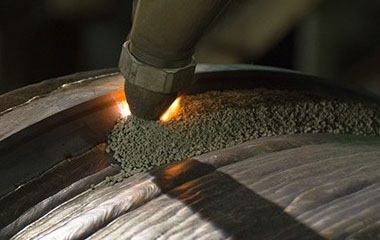
The Submerged Arc Welding process is renowned for its high deposition rates, deep penetration, and excellent weld quality, making it a staple in heavy fabrication industries. At the heart of this process lies the flux – a granular, fusible material that covers the arc and molten weld pool. This seemingly simple component performs multiple vital functions:
- Arc Shielding: The flux creates a protective blanket, shielding the arc and molten metal from atmospheric contamination (oxygen and nitrogen). Without this shield, the weld metal would oxidize and nitride, leading to severe embrittlement and porosity.
- Alloying: Fluxes are carefully formulated to introduce alloying elements into the weld metal, tailoring its mechanical properties such as strength, toughness, and corrosion resistance to specific application requirements.
- Deoxidation and Desulfurization: Active components within the flux react with oxygen and sulfur impurities in the molten weld pool, removing them as slag and preventing the formation of detrimental inclusions and hot cracks.
- Bead Shaping and Slag Control: The physical properties of the molten flux determine the shape of the weld bead and the ease of slag removal. A well-designed flux ensures a smooth, consistent bead profile and easily detachable slag, reducing post-weld cleaning time.
Given these critical functions, it becomes clear that any compromise in the integrity or chemical composition of the flux can have profound and immediate negative impacts on weld quality. The most common culprit for flux degradation is moisture absorption, followed closely by contamination from foreign materials. These issues directly undermine the protective and alloying capabilities of the flux, leading to a cascade of potential weld defects that can compromise structural integrity and significantly increase rework costs.
Common Weld Defects Attributable to Improper Flux Conditioning
Improperly conditioned Submerged Arc Flux is a silent saboteur of weld quality, often leading to defects that are both costly to repair and detrimental to the final product's performance. Production teams frequently encounter these issues, directly tracing them back to neglected flux handling:
Porosity and Wormholes
One of the most common and frustrating defects caused by wet flux is porosity. When moisture is present in the flux, it decomposes at the high temperatures of the welding arc, releasing hydrogen and oxygen. These gases become entrapped in the solidifying weld metal, forming spherical pores (porosity) or elongated cavities (wormholes). These voids reduce the effective cross-sectional area of the weld, significantly decreasing its strength and fatigue resistance. The presence of porosity often necessitates costly repairs, involving grinding out the defective section and re-welding, which consumes valuable time and resources.
Hydrogen-Induced Cracking (HIC) or Cold Cracking
Hydrogen, a byproduct of moisture decomposition, is a notorious culprit in steel welding. When hydrogen dissolves into the molten weld pool and then becomes trapped in the solidifying metal, it can lead to hydrogen-induced cracking, also known as cold cracking. This type of crack typically appears hours or even days after welding, often in the heat-affected zone (HAZ) or weld metal. It is particularly prevalent in high-strength steels and thick sections. Preventing HIC is critical, as these cracks can lead to catastrophic structural failures. Proper flux drying is a primary defense against this insidious defect.
Slag Inclusions
While slag is a necessary byproduct of the SAW process, its entrapment within the weld metal constitutes a defect known as a slag inclusion. Although sometimes caused by improper welding parameters or joint design, contaminated or poorly conditioned flux can also contribute. Irregular melting or chemical reactions within wet flux can lead to tenacious slag that does not properly float to the surface or detach cleanly, becoming trapped as the weld metal solidifies. Slag inclusions act as stress concentrators, reducing the weld's mechanical properties and making it susceptible to failure.
Poor Bead Shape and Undercut
The physical properties of the flux, influenced by its moisture content, directly affect the arc stability and the flow of the molten weld pool. Wet or inconsistent flux can lead to an unstable arc, resulting in erratic bead profiles, excessive spatter, and defects like undercut. Undercut is a groove melted into the base metal adjacent to the weld toe, which is not filled by weld metal, creating a stress riser and reducing the effective thickness of the joint. Consistent flux quality ensures a stable arc and predictable melt pool behavior, facilitating smooth and uniform bead formation.
Arc Instability and Spatter
Moisture and contaminants in the flux can cause the welding arc to become unstable, leading to erratic arc behavior, excessive spatter, and an inconsistent transfer of alloying elements. This not only degrades the visual quality of the weld but also makes it more challenging for operators to maintain consistent parameters, potentially introducing other defects and increasing post-weld cleaning efforts.
The cumulative effect of these defects is significant. They lead to increased inspection costs, expensive rework, production delays, material waste, and ultimately, a compromised reputation for quality. Understanding these pathways of defect formation underscores the absolute necessity of robust flux conditioning protocols.
Establishing an Effective Submerged Arc Flux Conditioning Protocol
To mitigate the risks associated with improper flux conditions, a systematic approach to storage, drying, and handling of Submerged Arc Flux is indispensable. Implementing these protocols is an investment that yields substantial returns in weld quality and operational efficiency.
Storage Best Practices
The journey to a perfect weld begins long before the arc strikes. Proper storage is the first line of defense against moisture absorption and contamination.
- Controlled Environment: Flux should always be stored in a dry, temperature-controlled environment. High humidity is the primary enemy. Storage areas should ideally be climate-controlled to prevent condensation and moisture uptake.
- Original Packaging: Keep flux in its original, unopened packaging until immediately before use. The packaging is designed to protect the flux from environmental factors. Once opened, reseal bags or containers as tightly as possible.
- Elevated Storage: Store flux bags or drums off the floor on pallets or shelving. This prevents direct contact with cold concrete floors, which can be a source of moisture and condensation, and protects against potential flooding or spills.
- First-In, First-Out (FIFO): Implement a FIFO system to ensure older stock is used first. While flux generally has a long shelf life when stored correctly, minimizing storage duration helps maintain optimal condition.
Drying and Rebaking Procedures
Even with meticulous storage, some fluxes, particularly agglomerated and fused types, can absorb atmospheric moisture. Drying or rebaking is often a necessary step to restore flux to its optimal condition.
- Understanding Flux Types: Fused fluxes are less prone to moisture absorption due to their glassy, non-hygroscopic nature, but can still benefit from drying if exposed to high humidity. Agglomerated fluxes, which are ceramic-bonded, are more porous and highly susceptible to moisture absorption, making drying a critical step.
- Drying Ovens: Industrial drying ovens with precise temperature control are essential. These ovens ensure uniform heating and moisture removal without altering the flux's chemical composition.
- Temperature and Time: Follow the manufacturer's recommendations for drying temperatures and times. These parameters are crucial; insufficient drying will leave residual moisture, while excessive heat can alter the flux's properties. Typical drying temperatures range from 150°C to 400°C (300°F to 750°F) for several hours, depending on the flux type and initial moisture content. For instance, specific welding fluxes might require distinct protocols.
- Post-Drying Storage: Once dried, flux should be transferred immediately to heated hoppers or dispensing equipment, maintained at a temperature (e.g., 100-150°C or 212-300°F) to prevent re-absorption of moisture until it is consumed.
Handling and Transfer Methods
The process of moving flux from storage to the welding station presents additional opportunities for contamination and moisture uptake. Diligent handling practices are vital.
- Clean Equipment: All transfer equipment—buckets, hoppers, conveyor systems—must be kept meticulously clean and dry. Residues from previous operations or foreign materials can contaminate fresh flux, leading to unexpected weld defects.
- Minimal Exposure: Minimize the exposure of flux to ambient air during transfer. Use covered containers and transfer systems where possible.
- Flux Recovery Systems: For operations that utilize flux recovery and recycling, ensure these systems are designed to remove slag particles, rust, and other contaminants effectively. Recovered flux should also be subjected to appropriate drying or conditioning before reintroduction, often blended with new flux.
Advanced Considerations for Optimizing Flux Performance
Beyond basic conditioning, several advanced considerations contribute to maximizing flux performance and ensuring consistent weld quality in SAW applications.
Flux Selection and Compatibility
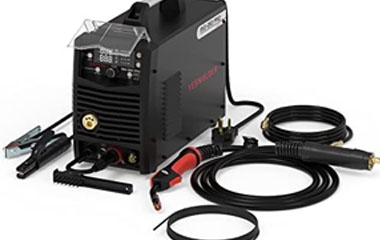
The choice of Submerged Arc Flux is not arbitrary; it must be carefully matched with the welding wire and the base material to be welded. Different fluxes are designed for specific applications, offering varying alloying capabilities, mechanical properties, and operating characteristics. Selecting the correct flux-wire combination is paramount for achieving desired weld metallurgy and preventing defects. For instance, an improper pairing can lead to poor impact toughness, increased susceptibility to solidification cracking, or an undesirable bead profile. Manufacturers like Oldwelders provide extensive data sheets and recommendations to guide this selection process, ensuring optimal performance from your welding machine.
Monitoring and Quality Control
Even with established protocols, continuous monitoring and quality control are essential. Regular checks of storage conditions, drying oven temperatures, and flux transfer equipment help ensure compliance. Periodically, samples of flux can be sent for laboratory analysis to verify moisture content and chemical composition, providing empirical data to validate conditioning effectiveness. This proactive approach helps identify potential issues before they manifest as costly weld defects. Implementing a robust quality management system, such as ISO 9001, provides a framework for these continuous improvement efforts, ensuring that every batch of flux contributes to predictable, high-quality results.
Impact of Environmental Factors
Local environmental conditions, such as ambient temperature and relative humidity, play a significant role in how quickly flux absorbs moisture. In humid climates, more rigorous drying protocols and shorter exposure times for conditioned flux may be necessary. Operators and engineers should be aware of these environmental variables and adjust their conditioning strategies accordingly to maintain optimal flux performance.
Oldwelders' Commitment to Quality and Support for Your Operations
At Oldwelders, we understand that superior weld quality starts with superior welding materials. As an ISO 9001 certified manufacturer, our commitment to excellence is embedded in every stage of our production process. Our state-of-the-art plant, covering an area of 1000 square meters, houses six production lines with a robust capacity to supply up to 100 tons of welding fluxes a day. This extensive capability ensures that our partners, whether in Brazil, Thailand, Australia, or Malaysia, receive a consistent and reliable supply of high-quality products. We routinely handle orders starting from 1 ton, demonstrating our flexibility to meet diverse industrial demands.
The raw materials for our flux products are meticulously selected, utilizing excellent dolomite, bauxite, cryolite, silica, fluorine ore, and other high-grade ores. These are then melted at precisely controlled temperatures of 2000 °C, ensuring a homogenous composition and optimal performance characteristics for our welding fluxes. This stringent material selection and manufacturing process allows us to produce fluxes that are inherently stable and designed for consistent performance, even before they reach your conditioning protocols.
Our comprehensive product range extends beyond fluxes to include welding machine, welding wire, and welding rod, providing a one-stop solution for all your welding needs. We pride ourselves on being a knowledgeable partner, offering not just products but also technical insights and support to help your production teams troubleshoot challenges and optimize their welding processes. Our aim is to ensure that when you choose Oldwelders, you are not just purchasing a product, but investing in reliability, quality, and a partnership geared towards achieving the highest standards in your welding operations. From the initial order to long-term usage, we are dedicated to supporting your success, understanding that consistent quality is paramount for your business.
By integrating Oldwelders' high-quality welding fluxes with rigorous conditioning practices, production teams can significantly reduce weld defects, improve operational efficiency, and deliver products that meet the most demanding industry standards. Investing in proper flux conditioning is not an expense; it is a strategic decision that safeguards weld integrity and enhances overall manufacturing competitiveness.