
Optimal Storage & FAQs for Your Basic Welding Rod
Understanding and Storing the Basic Welding Rod for Optimal Performance
In the demanding world of industrial welding, the integrity of every weld is paramount. Defects can lead to costly rework, structural failure, and significant safety hazards. Among the various factors influencing weld quality, the proper handling and storage of welding consumables, particularly basic welding rods, stand out as critical. These electrodes are specifically engineered for high-strength applications where resistance to hydrogen embrittlement and cracking is essential. However, their unique flux coating makes them highly susceptible to moisture absorption, which, if not properly managed, can introduce hydrogen into the weld metal, compromising its mechanical properties.
Oldwelders understands the intricate challenges faced by professionals in the field. Our commitment to providing superior welding materials is underpinned by stringent quality control and a deep understanding of application needs. This guide delves into the essential storage rules and addresses frequently asked questions regarding basic welding rods, empowering welders and quality control personnel to uphold the highest standards in their operations.
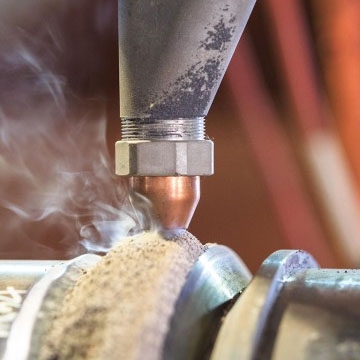
The Critical Role of Basic Welding Rods in High-Quality Welding
Basic welding rods, often referred to as low-hydrogen electrodes, are indispensable in applications requiring high-integrity welds, such as in heavy fabrication, pressure vessels, structural steel, and critical repairs. Their formulation is designed to produce weld metal with excellent mechanical properties, including high tensile strength, good ductility, and exceptional toughness, even at low temperatures. The key to these superior properties lies in their ability to deposit weld metal with very low hydrogen content.
What Defines a Basic Welding Rod?
These electrodes are characterized by a flux coating rich in basic compounds such as calcium carbonate (limestone) and fluorspar. This composition creates a slag system that effectively removes impurities and protects the molten weld pool from atmospheric contamination. Crucially, the basic flux generates a hydrogen-reducing atmosphere during welding, minimizing the risk of hydrogen entrapment in the weld metal. This is vital for preventing hydrogen-induced cold cracking, a brittle fracture that can occur hours or even days after welding.
Why Low Hydrogen is Paramount
Hydrogen embrittlement, or cold cracking, is a significant concern in welding, particularly with high-strength steels. When hydrogen atoms are absorbed into the molten weld metal and subsequently trapped during solidification, they can diffuse to areas of high stress concentration. Over time, these hydrogen atoms can lead to microscopic cracks, eventually resulting in macroscopic failure, often without warning. Basic welding rods are formulated to combat this by ensuring the deposited weld metal has minimal hydrogen content, thereby significantly reducing the risk of such catastrophic failures. This makes them a preferred choice for critical applications where structural integrity cannot be compromised.
Essential Storage Rules for Basic Welding Rods
Due to their hygroscopic nature, basic welding rods readily absorb moisture from the atmosphere. Even small amounts of moisture can decompose during welding, introducing hydrogen into the weld metal. Adhering to strict storage and handling protocols is not merely a recommendation but a fundamental requirement for achieving sound, defect-free welds.
Initial Receipt and Handling
- Inspect Packaging: Upon arrival, always inspect the packaging of basic welding rods for any signs of damage, punctures, or moisture ingress. Damaged packaging compromises the protective seal and can expose the electrodes to humidity.
- Store in Original Packaging: Keep electrodes in their hermetically sealed containers until immediately before use. The original packaging is designed to protect against atmospheric moisture.
- Inventory Management: Implement a first-in, first-out (FIFO) system to ensure older stock is used before newer stock, although proper storage can extend usability.
Controlled Environment Storage
For long-term storage or once packages are opened, a controlled environment is essential. This typically involves the use of specialized storage equipment:
- Dry Rod Ovens: These ovens maintain a constant temperature, usually between 100°C and 150°C (212°F and 300°F), and low humidity. Electrodes should be transferred to these ovens immediately upon opening their sealed packaging or after re-baking.
- Storage Cabinets: For larger quantities, climate-controlled storage cabinets or rooms with regulated temperature and humidity levels are necessary. Relative humidity should ideally be kept below 50%.
- Away from Contaminants: Store electrodes away from oil, grease, paint, and other contaminants that could transfer to the flux coating and introduce impurities into the weld.
Re-baking Procedures
If basic welding rods have been exposed to the atmosphere for an extended period, or if there is any doubt about their moisture content, they must be re-baked. Re-baking drives off absorbed moisture, restoring the electrodes to their low-hydrogen condition. Specific re-baking parameters (temperature and duration) are typically provided by the electrode manufacturer and must be strictly followed:
- Temperature: Typical re-baking temperatures range from 300°C to 450°C (572°F to 842°F). The exact temperature depends on the specific electrode and manufacturer’s recommendations.
- Duration: Re-baking times usually vary from 1 to 4 hours, again, depending on the electrode type and the severity of moisture absorption.
- Slow Cooling: After re-baking, electrodes should be slowly cooled in the oven to a holding temperature (100-150°C) before transfer to a dry rod oven or immediate use.
- Limited Re-baking: While re-baking is effective, it should not be done excessively. Repeated high-temperature exposure can degrade the flux coating. Generally, electrodes should not be re-baked more than once or twice.
On-Site Management and Quiver Use
Even on the shop floor or at a job site, maintaining low-hydrogen conditions is crucial:
- Portable Quivers: Welders should draw a limited quantity of re-baked or fresh electrodes from the dry rod oven and place them into heated portable quivers. These quivers maintain electrodes at a temperature of approximately 70°C to 150°C (160°F to 300°F) to prevent moisture re-absorption during the work shift.
- Exposure Limits: Electrodes removed from a heated quiver should be used within a specified exposure limit, typically 4 hours, before needing re-baking or disposal. Consult manufacturer guidelines for precise limits.
- Unused Electrodes: Any electrodes remaining in the portable quiver at the end of a shift, or those that have exceeded their exposure limit, should not be returned to the main dry rod oven without re-baking. It is often safer and more practical to dispose of them, especially for critical applications.

Oldwelders' Commitment to Quality Welding Rods and Fluxes
At Oldwelders, our dedication to quality is not just a promise; it's ingrained in every step of our manufacturing process. We understand that the reliability of your welds begins with the quality of your consumables. That's why we operate under strict ISO 9001 certification, ensuring that our production processes meet internationally recognized standards for quality management.
Our expansive plant, covering an area of 1000 square meters, houses six state-of-the-art production lines. This robust infrastructure enables us to supply up to 100 tons of product per day, meeting the demands of large-scale industrial projects across various sectors. For our comprehensive range of welding fluxes, including those used in the production of high-quality electrodes, we meticulously select excellent raw materials such as dolomite, bauxite, cryolite, silica, and fluorine ore. These materials undergo a precise melting process at 2000 °C, ensuring a consistent, high-purity product that contributes to superior weld performance.
Oldwelders proudly serves a diverse global clientele, with significant market presence in Brazil, Thailand, Australia, and Malaysia. Our efficient supply chain is designed to handle orders with a minimum quantity of 1 ton, with a focus on delivering quality products within a reasonable timeframe, often within 30 days depending on the specific order and destination. This commitment ensures that our customers receive reliable, high-performance welding consumables that support their critical operations and contribute to their success.
Frequently Asked Questions About Basic Welding Rods
Understanding the nuances of low-hydrogen electrodes is key to achieving consistent weld quality. Here, we address some common inquiries:
What is the shelf life of an unopened Basic Welding Rod package?
When stored in its original, hermetically sealed packaging under dry conditions, a basic welding rod can typically have a shelf life of several years, often up to two to three years. However, it's always best to check the manufacturer's specific recommendations and lot dates. Once the package is opened, the clock starts ticking, and the rods should be transferred to a heated dry rod oven immediately.
Can I re-bake electrodes multiple times?
While re-baking effectively removes moisture, it's generally recommended to limit the number of re-bakes to one or two times. Excessive re-baking, especially at high temperatures, can lead to the degradation of the flux coating, affecting arc stability, slag removal, and ultimately, weld quality. If electrodes have been re-baked multiple times or show signs of flux deterioration, they should be discarded.
What happens if I use a moist basic electrode?
Using a moist basic electrode introduces hydrogen into the weld pool. This significantly increases the risk of hydrogen-induced cold cracking, especially in high-strength steels. Other potential issues include porosity, unstable arc, excessive spatter, and poor slag removal, all of which compromise the mechanical properties and appearance of the weld.
How do I know if my storage conditions are adequate?
Adequate storage means maintaining electrodes within specified temperature and humidity ranges. For opened packages, this requires a heated dry rod oven (typically 100-150°C). For long-term storage of unopened packages, a dry, cool environment is sufficient. Regular monitoring of oven temperatures and humidity levels in storage areas is crucial. Some facilities even use dew point meters to ensure storage environments are sufficiently dry.
Are there specific re-baking temperatures for different types?
Yes, re-baking temperatures and durations can vary significantly depending on the specific type and classification of the electrode. For example, some AWS classifications may have slightly different requirements than others. Always refer to the manufacturer's data sheet for the precise re-baking instructions for the particular electrode you are using. Deviating from these guidelines can be ineffective or even damaging.
What are the risks of using improperly stored electrodes?
The primary risk is hydrogen embrittlement and cold cracking, leading to brittle fractures in the weld metal. Other risks include increased porosity, reduced mechanical strength and ductility, poor fusion, and an overall reduction in weld integrity and service life. These defects can be costly to repair and pose significant safety hazards in critical applications.
What is the minimum order for Oldwelders' electrode products?
Oldwelders requires a minimum order quantity of 1 ton for our electrode and other welding material products. This allows us to efficiently manage production and logistics, ensuring competitive pricing and consistent quality for our B2B clients.
Ensuring Consistent Weld Quality with Oldwelders
The performance of a basic welding rod is intrinsically linked to its condition at the point of use. By diligently following proper storage, handling, and re-baking procedures, welding professionals can significantly mitigate the risks associated with hydrogen embrittlement and ensure the deposition of high-quality, defect-free welds. This attention to detail not only enhances the structural integrity of fabricated components but also contributes to greater operational efficiency and safety.
Oldwelders is committed to supporting your welding success. Our extensive range of welding consumables, including high-performance electrodes and welding machine options, are engineered to meet the stringent demands of modern industry. With our ISO 9001 certification, robust production capabilities, and dedication to quality raw materials, you can trust Oldwelders to be your reliable partner in achieving excellence in every weld.