
Oldwelders: Matching Welding Flux for Weld Contaminants
Understanding how Welding Flux chemistry interacts with weld contaminants is crucial for optimal results.
In the complex world of industrial welding, achieving impeccable weld quality is paramount. Production teams frequently encounter varying material conditions, inconsistent base metal purity, and environmental contaminants that can compromise the integrity of welds. This article explores the critical role of welding flux in mitigating these challenges, focusing on how its chemical composition can be specifically tailored to neutralize or manage common weld contaminants.
At Oldwelders, we understand that selecting the appropriate welding consumable is not a one-size-fits-all endeavor. Our expertise in welding materials, including welding machines, welding wire, welding rod, and welding fluxes, positions us as a knowledgeable partner in addressing your most demanding welding applications.
The Essential Role of Welding Flux in Contaminant Management
Welding flux serves multiple vital functions during the welding process, extending far beyond simple arc shielding. It purifies the weld metal, stabilizes the arc, and influences the mechanical properties of the final weld. When contaminants are present, the flux’s ability to react with, absorb, or float these impurities away from the molten pool becomes its most critical attribute.
During welding, the flux melts to form a protective slag layer over the molten pool. This slag shields the weld from atmospheric gases like oxygen and nitrogen, which can lead to porosity and embrittlement. More importantly, the chemical constituents within the flux actively engage with contaminants. For instance, oxides, nitrides, and other non-metallic inclusions in the base metal can be chemically reduced or dissolved into the molten slag, effectively removing them from the weld pool. This process is essential for preventing defects such as hot cracking, cold cracking, and lack of fusion.
Oldwelders, an ISO 9001 certified manufacturer, is committed to delivering welding fluxes that meet stringent quality standards. Our dedication to quality assurance ensures that our products consistently perform, even in challenging welding environments where contaminant control is critical. This certification underscores our commitment to providing reliable solutions that enhance weld integrity and operational efficiency for our clients globally.
Identifying and Characterizing Common Weld Contaminants
Effective contaminant management begins with accurate identification. Weld contaminants can originate from various sources, each requiring a specific approach for neutralization or removal. Understanding these sources and their impact is the first step in selecting the correct flux chemistry.
Surface Contaminants
Surface contaminants are perhaps the most common and often include rust, mill scale, grease, oil, paint, and moisture. Even seemingly minor amounts of these substances can lead to significant weld defects:
- Rust and Mill Scale: These iron oxides can cause porosity, lack of fusion, and slag inclusions. They introduce oxygen into the weld pool, which can react with alloying elements and reduce mechanical strength.
- Grease and Oil: Organic contaminants decompose at welding temperatures, releasing hydrogen and carbon into the weld pool. Hydrogen can lead to hydrogen-induced cracking (HIC), while carbon can alter the weld metal’s microstructure and properties.
- Paint and Coatings: Many coatings contain organic binders, zinc, or other elements that can vaporize or decompose, producing fumes, porosity, and inclusions.
- Moisture: Water, whether from humidity, condensation, or improperly stored consumables, introduces hydrogen into the weld pool, posing a significant risk of hydrogen embrittlement and cracking.
Base Metal Impurities
Beyond surface issues, impurities inherent in the base metal itself can pose challenges. Elements such as sulfur, phosphorus, and various non-metallic inclusions are frequently found in steel and can severely degrade weld properties:
- Sulfur: Often present as manganese sulfide (MnS), sulfur tends to segregate at grain boundaries during solidification, leading to hot cracking, especially in the heat-affected zone (HAZ).
- Phosphorus: Similar to sulfur, phosphorus also promotes hot cracking and can lead to embrittlement, particularly at low temperatures.
- Non-Metallic Inclusions: These can include oxides, silicates, and nitrides trapped within the base metal. While often microscopic, they can act as stress concentrators and initiation sites for cracks.
Managing these contaminants requires a sophisticated welding flux chemistry designed to react specifically with these impurities, ensuring they are either removed or rendered harmless within the slag.
Tailoring Welding Flux Chemistry to Specific Contaminants
The chemical composition of welding flux is engineered to perform specific functions. Fluxes are generally categorized as acidic, basic, or neutral, based on their slag-forming characteristics and their ability to react with contaminants. Understanding these classifications is key to selecting the optimal flux for your application.
Acidic Fluxes for Oxide Removal
Acidic fluxes, typically rich in silica (SiO₂) and titania (TiO₂), produce a fluid slag that is effective at dissolving and removing iron oxides, such as rust and mill scale. Their chemistry promotes a good bead appearance and is often favored for high-speed welding. However, they generally have lower metallurgical activity, meaning they are less effective at scavenging sulfur and phosphorus. While excellent for surface oxide heavy contaminants, they may not be ideal for applications requiring high toughness or where base metal impurities are a primary concern.
Basic Fluxes for Sulfur and Phosphorus Control
Basic fluxes contain higher concentrations of calcium oxide (CaO), magnesium oxide (MgO), and fluoride compounds (e.g., CaF₂). These fluxes produce a more viscous slag that is highly effective at absorbing and neutralizing harmful impurities like sulfur and phosphorus from the weld pool. The high basicity promotes a clean weld metal with excellent mechanical properties, particularly impact toughness and resistance to hydrogen-induced cracking. They are often preferred for critical applications, high-strength steels, and situations where base metal purity is questionable. Our submerged arc welding flux HJ431 is an example of a product engineered for robust performance in demanding environments.
Neutral Fluxes for Balanced Performance
Neutral fluxes strike a balance between acidic and basic characteristics. They typically contain a mix of components that provide good arc stability, minimal impact on weld metal chemistry, and moderate contaminant scavenging capabilities. These fluxes are versatile and often used when specific metallurgical control is less critical, or when a balanced approach to various contaminants is desired.
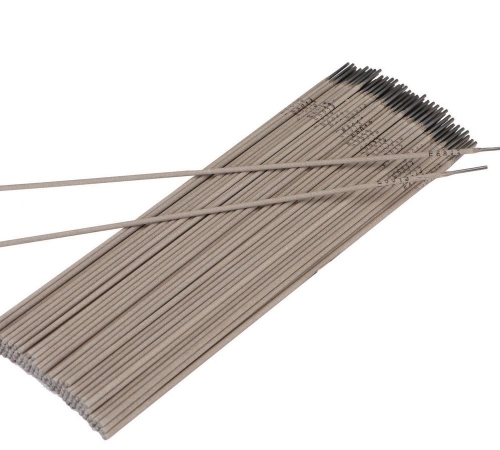
Oldwelders prides itself on the foundational quality of our products. The raw materials for our welding flux products are exclusively excellent dolomite, bauxite, cryolite, silica, and fluorine ore. These select ores are melted at a precise 2000 °C, ensuring a highly pure and consistent material for superior performance in contaminant management and weld integrity. This meticulous process is a cornerstone of our commitment to delivering high-performance consumables.
Oldwelders' Capacity and Global Reach in Welding Flux Solutions
Our commitment to quality extends to our manufacturing capabilities and global distribution network. Oldwelders is equipped to meet the demands of large-scale industrial operations worldwide, ensuring a consistent supply of high-grade welding consumables.
Our advanced manufacturing plant, covering an area of 1000 square meters and featuring six production lines, boasts an impressive daily supply capacity of 100 tons. This robust infrastructure allows us to efficiently fulfill orders, maintaining consistent quality across all batches. For our partners, this means reliable access to the welding fluxes they need, precisely when they need them.
We work with a minimum order quantity of just 1 ton, making our high-quality products accessible to a wide range of businesses. Our efficient supply chain ensures lead times are typically around 30 days, facilitating streamlined project planning and inventory management for our clients. Oldwelders proudly serves diverse international markets, including Brazil, Thailand, Australia, and Malaysia, providing tailored solutions and exceptional service to our global partners.
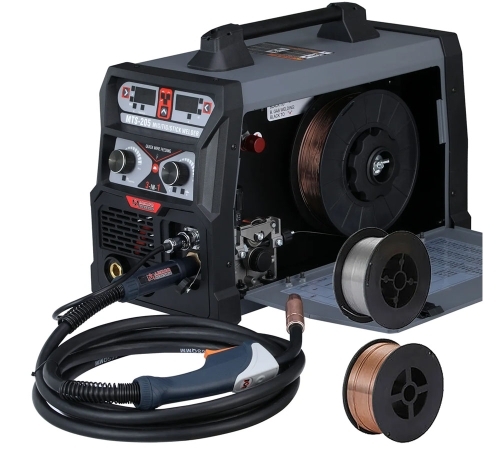
Beyond our welding flux offerings, we also provide a comprehensive range of welding machine options, ensuring that our clients have access to integrated solutions for all their welding requirements. This holistic approach helps streamline procurement and guarantees compatibility between consumables and equipment, leading to optimized performance.
Best Practices for Selecting and Applying Welding Flux
While flux chemistry is crucial, its effectiveness is maximized when integrated into a comprehensive welding strategy. Here are some best practices for selecting and applying welding flux:
Material Analysis and Preparation
Before any welding commences, a thorough analysis of the base material and potential contaminants is essential. While flux can mitigate issues, pre-weld cleaning remains the first line of defense. Remove heavy rust, excessive grease, and loose paint whenever possible. Understanding the base metal's composition, including its inherent impurities, will guide the selection of the most appropriate flux type.
Process Parameters
The chosen welding process parameters—such as current, voltage, travel speed, and electrode stick-out—significantly influence how effectively the welding flux performs. For instance, too low a voltage might prevent the flux from melting completely, leading to incomplete slag formation and poor protection. Conversely, excessively high voltage can lead to an unstable arc and increased fume generation. Optimizing these parameters in conjunction with the selected flux ensures maximum contaminant scavenging and ideal weld bead characteristics.
Consulting Experts
Given the complexities of material science and welding metallurgy, consulting with experienced suppliers like Oldwelders can provide invaluable insights. Our technical teams can assist in analyzing your specific application, identifying potential contaminants, and recommending the optimal welding flux chemistry for your unique needs. Leveraging our expertise ensures you achieve consistent, high-quality welds while minimizing defects and rework.
In conclusion, the careful matching of welding flux chemistry to the specific contaminants present in a welding application is not merely a best practice; it is a fundamental requirement for achieving robust, high-integrity welds. From surface oxides to inherent base metal impurities, the advanced formulations of modern welding fluxes provide essential protection and purification. Oldwelders stands ready as your trusted partner, offering ISO 9001 certified products, extensive production capabilities, and expert guidance to help you navigate these challenges and ensure superior welding performance across your operations.