
How to Source Welding Supplies for Fabrication Shops
How to Effectively Source Welding Supplies for Your Fabrication Shop
For any fabrication shop, operational efficiency and output quality are directly tied to the reliability of its supply chain. The consistent availability of high-quality welding supplies is not just a logistical detail; it's a cornerstone of profitability and reputation. Establishing a repeatable, strategic purchasing program ensures your welders have the equipment and consumables they need, precisely when they need them. Moving beyond simple transactional orders to a well-structured sourcing strategy can mitigate risks, control costs, and ultimately provide a significant competitive advantage in a demanding market.
This guide provides a comprehensive framework for fabrication shop managers and procurement specialists. We will explore how to audit your needs, what to look for in a supplier, and how to categorize your purchasing to build a resilient and cost-effective supply chain for all your essential welding materials and equipment.
Establishing Your Core Requirements: A Sourcing Checklist
Before you can evaluate suppliers, you must first have a crystal-clear understanding of your own operational needs. A thorough internal audit is the foundational step in creating a sourcing plan that aligns with your production goals, quality standards, and budget. This process involves looking at your welding processes, quantifying your consumption, and defining the specific standards your materials must meet.
Auditing Your Welding Processes
Different welding processes require distinct sets of equipment and consumables. Begin by cataloging all the primary and secondary welding methods used in your facility. Are you primarily running GMAW (MIG) and GTAW (TIG) processes, or does your work involve a significant amount of SMAW (Stick) or submerged arc welding (SAW)? Each has unique requirements:
- GMAW/FCAW: Requires a consistent supply of solid or flux-cored wire, specific shielding gases, and contact tips.
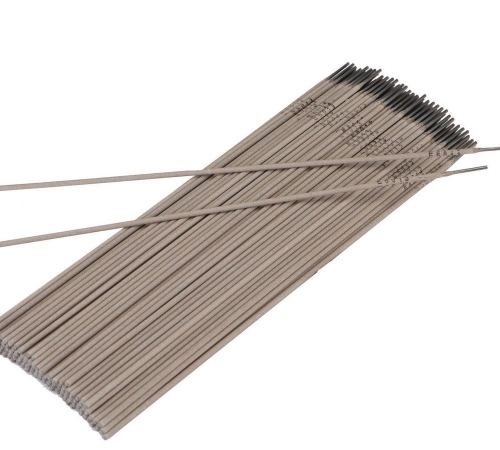
- SMAW: Relies on a steady stock of various types of electrodes, such as aws e6013 welding electrodes, suited for different materials and positions.
- GTAW: Demands specific tungsten electrodes, filler rods, and high-purity argon gas.
- SAW: Consumes large quantities of wire and granular flux, making supplier capacity a critical factor.
By mapping your processes to your material needs, you can identify opportunities to standardize consumables where possible, simplifying inventory and strengthening your purchasing power for key items.
Quantifying Your Consumption
Guesswork leads to stockouts or costly overstocking. Analyze your historical purchasing data and production records to forecast your monthly and quarterly consumption of core consumables like wire, rods, and gases. Track usage rates per project or per welding station to refine your predictions. This data is invaluable when negotiating with potential suppliers, as it allows you to discuss volume-based pricing and establish effective delivery schedules. A solid forecast demonstrates that you are a serious, organized buyer and helps potential partners better serve your account.
Defining Quality and Compliance Standards
The integrity of your welds depends on the quality of your consumables. Your sourcing checklist must include non-negotiable quality and compliance standards. Specify the required AWS (American Welding Society) classifications for your filler metals and any other industry-specific certifications your projects demand. When shortlisting suppliers, verify their quality management systems. For instance, partnering with a manufacturer that is ISO 9001 certified provides an external validation of their commitment to consistent quality control, process management, and continuous improvement.
Evaluating and Shortlisting Potential Suppliers
With your requirements clearly defined, you can begin the critical process of evaluating suppliers. Look beyond the price tag and assess potential partners based on their capabilities, reliability, and expertise. A strong supplier is a strategic asset who contributes to your operational stability and growth.
Production Capacity and Scalability
Your business is poised for growth, and your supplier must be able to grow with you. A small, local distributor may be adequate for initial needs, but a long-term partner should have the production capacity to handle your increasing demand without delays. Inquire about their manufacturing facilities and output capabilities. A large-scale producer with a plant covering 1000 square meters and six production lines, for example, can demonstrate a capacity to supply 100 tons a day. This level of output provides assurance that they can fulfill large orders and manage unexpected demand spikes, protecting your production schedule from supply-side disruptions.
Minimum Order Quantities (MOQ) and Lead Times
For international or direct-from-manufacturer sourcing, understanding MOQs and lead times is crucial for inventory management and cash flow. A high MOQ may offer a lower per-unit cost but ties up capital and requires significant storage space. Conversely, a low MOQ offers flexibility but may come at a higher price. Seek a supplier who offers a balanced approach. Terms like a 1-ton minimum order quantity combined with a predictable 30-day lead time can be an ideal solution for many fabrication shops, allowing for cost-effective bulk purchasing without excessive inventory holding costs.
Technical Support and Expertise
A premier supplier does more than just sell products; they provide technical expertise. They should have a deep understanding of their product's composition and performance. For example, a knowledgeable manufacturer of welding fluxes can explain how the precise formulation of raw materials like dolomite, bauxite, and silica, melted at temperatures up to 2000 °C, results in a flux with specific slag-forming and deoxidizing properties. This level of expertise is invaluable when you need to troubleshoot a welding issue or select the optimal consumable for a new application.
Global Reach and Logistics
In today's global economy, sourcing internationally can offer significant advantages in cost and product selection. If you consider an overseas supplier, evaluate their logistical expertise and track record. Do they have experience shipping to your region? A supplier with established distribution channels to markets like Brazil, Thailand, Australia, and Malaysia demonstrates proven capability in managing international freight, customs, and delivery, reducing the risk of logistical complications for your business.
Categorizing Your Welding Supplies for Efficient Procurement
Not all welding supplies are created equal from a procurement perspective. Grouping them into logical categories helps you develop distinct purchasing strategies for each, optimizing both cost and availability. A well-organized approach ensures that you are focusing your efforts where they matter most.
Capital Equipment: The Foundation of Your Shop
This category includes your primary production assets: the welding machines themselves. Purchases of a new welding machine, whether it's for arc, resistance, or a specialized process, are long-term capital investments. The sourcing decision here should prioritize performance, reliability, and after-sales support over initial cost. When evaluating equipment suppliers, consider factors like warranty terms, availability of spare parts, and the quality of their technical service. These are not frequent purchases, so building a relationship with a knowledgeable equipment dealer or manufacturer is key.
Core Consumables: The Lifeblood of Production
Core consumables are the materials you use every day, representing a significant and recurring operational expense. This category includes:
- Welding Wire: Solid wire (ER70S-6), flux-cored wire (E71T-1).
- Welding Rods/Electrodes: E6013, E7018, stainless steel, and specialty rods.
- Welding Fluxes: Submerged arc flux, brazing flux.
- Shielding Gases: Argon, CO2, and various mixes.
Because these items are critical for daily operations, the sourcing strategy should focus on ensuring uninterrupted availability and consistent quality. This is where long-term supply agreements, automated ordering systems, and vendor-managed inventory (VMI) programs can deliver immense value. The goal is to make the replenishment of these essential welding supplies as seamless and predictable as possible.
Ancillary and Safety Supplies
This broad category covers everything else needed to support your welding operations. It includes personal protective equipment (PPE) like helmets, gloves, and jackets, as well as shop tools like grinders, cutting discs, and wire brushes. While these items are essential, they are often less specialized than core consumables. Procurement strategies here can focus on bundling purchases, using industrial supply catalogs, or working with local distributors for quick fulfillment. While quality should never be compromised, especially with safety gear, there may be more flexibility in brands and suppliers compared to your filler metals.
Building a Resilient and Strategic Supply Chain
A truly effective sourcing strategy goes beyond finding one good supplier. It involves building a robust and resilient supply chain that can withstand market volatility, logistical challenges, and unexpected disruptions. This forward-thinking approach transforms your procurement function from a cost center into a strategic advantage.
Diversifying Your Supplier Base
Relying on a single supplier for critical consumables, no matter how reliable they seem, introduces significant risk. A factory shutdown, a shipping crisis, or a sudden change in their business could halt your production overnight. To mitigate this, aim to qualify at least two suppliers for your most critical items. You can designate one as your primary partner while using the secondary supplier for a smaller percentage of your volume or as a ready-to-go backup. This diversification creates healthy competition and provides an essential safety net.
Establishing Long-Term Partnerships
The most successful fabrication shops view their key suppliers as partners, not just vendors. A transactional relationship focuses solely on price and delivery for the next order. A strategic partnership, however, is built on mutual trust, open communication, and shared goals. A long-term partner is more likely to offer you preferential pricing, prioritize your orders during periods of high demand, and work collaboratively with you to solve technical challenges or develop custom solutions. Invest the time to build these relationships; the long-term payoff in reliability and innovation is substantial.
By implementing a structured approach to sourcing—beginning with a thorough internal audit, followed by a rigorous supplier evaluation, and culminating in a diversified, partnership-focused supply chain—your fabrication shop can ensure it has the high-quality welding supplies needed to operate efficiently and excel in a competitive landscape. This strategic procurement of welding materials is fundamental to sustainable growth and success.