
How to Prevent Moisture Defects in Electrode Flux Coating
Understanding and Preventing Moisture Defects from Your Electrode Flux Coating
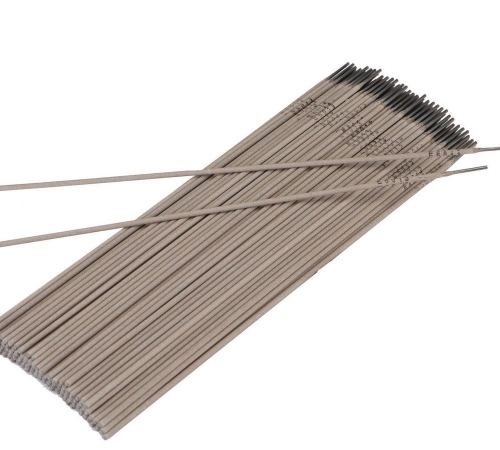
In Shielded Metal Arc Welding (SMAW), the quality of your finished weld is inextricably linked to the condition of your consumables. While welders often focus on technique and machine settings, a frequently overlooked variable is the integrity of the welding rod itself—specifically, its outer layer. The electrode flux coating is not just a protective shell; it is a complex chemical compound engineered to control the entire welding process. When this critical component absorbs excessive atmospheric moisture, it can trigger a cascade of problems, leading to weld defects that compromise structural integrity, increase rework costs, and cause project delays. For maintenance welders and quality assurance teams, recognizing the signs of moisture contamination is the first step toward preventing costly failures.
Understanding how to manage this risk begins with sourcing from a reliable partner. At Oldwelders, our manufacturing process, certified under ISO 9001, involves melting premium raw materials like dolomite, bauxite, and silica at 2000 °C to create flux products with stable, predictable performance. This foundational quality helps ensure that when our electrodes are handled correctly, they deliver the consistent results you expect.
The Essential Functions of an Electrode Flux Coating
Before diagnosing moisture-related problems, it's crucial to appreciate the multifaceted role the coating plays during welding. Its composition is carefully formulated to perform several simultaneous functions that are vital for producing a sound weld. When moisture compromises the coating, each of these functions is put at risk.
- Shielding Gas Generation: As the coating burns in the electric arc, it decomposes and releases a shielding gas (typically carbon dioxide and water vapor in controlled amounts). This gas displaces atmospheric oxygen and nitrogen from the weld pool, preventing oxidation and embrittlement of the molten metal.
- Slag Formation: The melted flux forms a liquid slag that floats on top of the molten weld pool. This slag layer protects the cooling weld bead from atmospheric contamination, helps shape the bead's contour, and slows the cooling rate to improve the final grain structure and mechanical properties.
- Arc Stabilization: The coating contains ionizing elements that create a stable, concentrated path for the electric arc. This results in a smoother, more consistent arc, easier starts, and less spatter, allowing for greater control by the welder.
- Deoxidation and Alloying: Chemical deoxidizers within the coating react with and remove oxygen from the weld pool, purifying the weld metal. Additionally, the coating can be used to introduce specific alloying elements into the weld, enhancing its strength, toughness, or corrosion resistance to meet specific engineering requirements.
When excess moisture is present, it disrupts this delicate chemical balance. The shielding gas becomes contaminated, the slag's properties change, and the arc becomes erratic, leading directly to the defects discussed below.
Identifying Moisture Contamination in Welding Electrodes
Detecting moisture damage before you strike an arc can save significant time and resources. Both visual cues and performance issues during welding can signal that your electrodes have been compromised. QA teams and welders should be trained to spot these warning signs.
Visual Inspection Before Welding
Always perform a quick visual check of electrodes before loading them into a holder. While some signs are obvious, others can be subtle.
- Chalky or Dull Appearance: A properly stored electrode typically has a smooth, slightly glossy finish. A coating that has absorbed moisture may look dull, white, or chalky.
- Discoloration or "Sweating": In severe cases, you may see spots of discoloration or even visible moisture droplets on the coating surface.
- Spalling or Flaking: Look for any signs that the coating is chipping, flaking off, or separating from the core wire. Check the ends of the electrode, as this is often where damage begins.
- Bubbles or Blisters: Small bumps or blisters on the coating surface can indicate that moisture has been absorbed and is trapped within the flux.
Performance Indicators During Welding
If a moisture-damaged electrode makes it into service, the problems will become immediately apparent once the arc is struck. An experienced welder will quickly notice that something is wrong.
- Unstable or Erratic Arc: One of the most common signs is a "sputtering" or "popping" arc that is difficult to control. The arc may wander, extinguish unexpectedly, or be difficult to start.
- Excessive Spatter: While all stick welding produces some spatter, moisture-affected electrodes will generate significantly more. The spatter droplets will often be larger and more erratic.
- Unusual Smoke Color and Volume: The shielding gas from a "wet" rod often produces a denser, whiter smoke than normal. The welder may also hear a distinct hissing or crackling sound from the arc.
- Difficult Slag Removal: The slag produced by a compromised electrode flux coating may be difficult to remove, sticking to the weld bead instead of chipping away cleanly.
Common Weld Defects Caused by Moisture-Affected Coatings
When welding proceeds with moisture-contaminated electrodes, the resulting weld deposit will likely contain serious and often unacceptable defects. These issues directly impact the mechanical properties and service life of the welded component.
Hydrogen-Induced Cracking (HIC)
Also known as cold cracking or delayed cracking, this is the most dangerous defect caused by moisture. Water (H₂O) in the flux breaks down in the high-temperature arc into its components, introducing atomic hydrogen into the molten weld pool. This hydrogen becomes dissolved in the solidifying metal. As the weld cools, the hydrogen atoms diffuse toward areas of high stress (like the heat-affected zone or HAZ) and combine to form molecular hydrogen gas. This process creates immense internal pressure, leading to the formation of microscopic cracks that can grow over time and cause catastrophic failure, often hours or days after welding is complete. Low-hydrogen electrodes, such as the E7018 type, are particularly susceptible and require the most stringent storage controls to prevent this defect.
Porosity
Porosity appears as small voids or gas pockets trapped within the weld metal. It can manifest as scattered surface pores, internal voids (detectable by radiography), or elongated cavities known as "wormholes." This is caused by gases—primarily hydrogen from moisture—that are dissolved in the molten weld pool but are unable to escape before the metal solidifies. The gas becomes trapped, creating a pocket. Porosity weakens the weld by reducing its cross-sectional area, creating stress concentration points, and potentially providing a path for leaks in pressure-containing components. While some minor porosity may be acceptable in non-critical applications, extensive porosity is a clear sign of contamination and is a cause for rejection in most codes.
Undercutting and Poor Bead Appearance
The erratic arc and altered slag characteristics caused by moisture can lead to poor weld bead geometry. An unstable arc makes it difficult for the welder to maintain a consistent travel speed and work angle, often resulting in undercutting, where a groove is melted into the base metal alongside the weld toe. This groove acts as a stress riser and weakens the connection. Furthermore, the weld bead itself may be uneven, with a rough, irregular profile and inconsistent width. This not only looks unprofessional but can also indicate a lack of proper fusion.
Best Practices for Storing and Handling to Prevent Moisture Damage
Prevention is the most effective strategy. Implementing strict procedures for storing and handling electrodes is essential for any professional fabrication or repair operation. These practices ensure that electrodes perform as intended from the moment they are unpacked until they are consumed.
Proper Storage Conditions
The first line of defense is a controlled storage environment. Low-hydrogen electrodes are the most sensitive and should be stored in a heated rod oven at a temperature recommended by the manufacturer (typically between 120°C and 150°C) after the hermetically sealed container is opened. For general-purpose electrodes like AWS E6013 welding electrodes, they should be kept in a dry, climate-controlled storeroom, away from moisture and humidity. Always practice a First-In, First-Out (FIFO) inventory system to ensure older stock is used first.
Reconditioning Exposed Electrodes
If electrodes have been exposed to a humid environment, they can often be salvaged by re-baking them in a high-temperature oven. The specific time and temperature for re-baking depend on the electrode type and the manufacturer’s specifications—always consult the product data sheet. Re-baking drives out the absorbed moisture, restoring the electrode flux coating to its original condition. However, there is a limit to how many times an electrode can be re-baked before the coating's chemical binders begin to break down.
On-the-Job Handling
Once electrodes are issued to a welder, they should be kept in a portable heated quiver or rod oven until just before use. Limit the number of electrodes taken from the oven at one time. Any electrodes not used within a specified time frame (e.g., a few hours, depending on the electrode type and ambient humidity) should be returned to the holding oven. Never leave electrodes exposed to the elements overnight or during rain.
Choose a Supplier Committed to Quality and Consistency
Ultimately, the fight against moisture-related defects begins long before the electrodes arrive at your facility. It starts with a manufacturer that prioritizes quality control and consistency. A reliable supplier provides not just a product, but a guarantee of performance that you can build your reputation on. With a production capacity of 100 tons a day from our 1000-square-meter plant, we have the scale to serve major industrial clients in markets like Brazil, Thailand, and Australia, delivering consistent quality on every order.
Our commitment as an ISO 9001 certified company is to provide welding consumables that you can trust. By starting with high-purity raw materials and employing a tightly controlled manufacturing process, we produce a stable, low-moisture electrode flux coating designed for superior performance. Whether you need a standard arc welding machine or a full suite of high-performance welding materials, partnering with a knowledgeable supplier is your best defense against the costly and dangerous defects caused by moisture.