
How to Effectively Control Root-Pass Defects in Pipeline Welding
How to Effectively Control Root-Pass Defects in Pipeline Welding
Achieving a high-quality root pass is paramount in pipeline welding. The root pass forms the foundation of the entire weld, directly impacting the structural integrity, fatigue life, and overall performance of the pipeline. Any defect introduced at this initial stage can propagate through subsequent weld layers, leading to costly repairs, project delays, and potential safety concerns. For pipeline contractors and welding engineers, understanding and meticulously controlling the variables that influence root-pass quality is not just good practice—it is essential.
The complexities of field conditions, material variations, and the inherent challenges of melting and fusing metal in a controlled manner demand a systematic approach to defect prevention. This guide delves into the critical aspects of managing root-pass quality, offering insights from pre-welding preparation to advanced quality assurance. At Oldwelders, we understand these challenges, providing the reliable welding materials and equipment necessary to meet the stringent demands of pipeline projects globally.
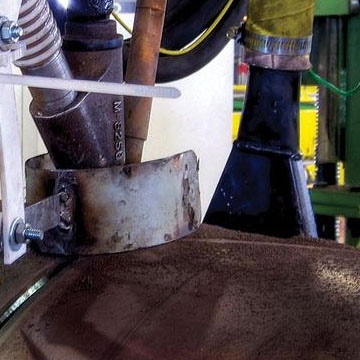
Understanding Common Root-Pass Defects in Pipeline Welding
Before implementing control measures, it is crucial to recognize the most prevalent root-pass defects and their underlying causes. Identifying these issues early allows for targeted interventions and process adjustments, significantly improving the chances of achieving a sound weld. The primary defects associated with the root pass include:
- Lack of Fusion and Incomplete Penetration: These defects occur when the weld metal fails to fuse completely with the base metal or the previous weld bead, or when the weld metal does not fully penetrate the joint thickness. Causes often include insufficient heat input, fast travel speed, incorrect electrode manipulation, or improper joint preparation.
- Burn-Through: Characterized by the molten weld metal collapsing through the root opening, creating a hole in the pipe wall. This is typically caused by excessive heat input, too slow a travel speed, an overly large root gap, or insufficient backing.
- Porosity: Small gas pockets trapped within the solidified weld metal. Porosity can arise from inadequate shielding gas coverage, moisture or contaminants on the base metal or consumables, or improper welding parameters that cause gas entrapment.
- Cracking: Both hot and cold cracking can occur in the root pass. Hot cracks form during solidification due to material susceptibility (e.g., high sulfur content), excessive restraint, or incorrect weld bead shape. Cold cracks, or hydrogen-induced cracks, appear after the weld has cooled, often due to high hydrogen content in the weld metal, high hardness, and residual stress.
- Excessive Reinforcement or Concavity: While not always a critical defect, excessive reinforcement can lead to stress concentrations, while excessive concavity can reduce the effective throat thickness, weakening the joint. Both indicate improper heat input, travel speed, or filler metal addition.
Understanding these defects is the first step in developing robust strategies for their prevention. Each type of defect points to specific areas of the welding process that require careful attention and control.
Essential Pre-Welding Preparations for Flawless Root Passes
The quality of a root pass is significantly determined before the arc is even struck. Meticulous preparation ensures that the welding environment and materials are optimized for success.
Joint Fit-Up and Edge Preparation
Precise fit-up is non-negotiable. The alignment of pipe sections, the consistency of the root gap, and the integrity of the root face are critical. Any misalignment or variation can lead to uneven heat distribution, making it difficult to control penetration and avoid burn-through or lack of fusion. Edge preparation, including the bevel angle, land, and root opening, must adhere strictly to specifications. Cleanliness is also paramount; oil, grease, rust, paint, and other contaminants must be thoroughly removed from the weld area to prevent porosity and other defects.
Consumable Selection and Storage
The choice of welding fluxes, welding wire, and welding rod directly impacts weld quality. Consumables must be appropriate for the base material, welding process, and service conditions. For instance, low-hydrogen electrodes are essential for preventing hydrogen-induced cracking in high-strength steels. Proper storage is equally important. Consumables, especially electrodes and flux-cored wires, are susceptible to moisture absorption, which introduces hydrogen into the weld metal. Oldwelders ensures that our high-quality consumables, including flux products manufactured from excellent dolomite, bauxite, cryolite, silica, and fluorine ore melted at 2000 °C, meet stringent standards, helping minimize defects from the outset.
Environmental Controls
Field welding conditions can be challenging. Wind can disrupt shielding gas coverage, leading to porosity. Rain or high humidity can introduce moisture. Welders must employ wind screens, shelters, and preheating (when required) to mitigate these environmental factors. Maintaining a stable, controlled environment around the weld zone is crucial for consistent root-pass quality.
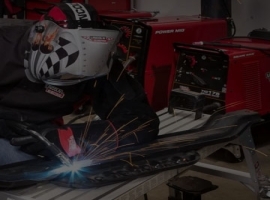
Optimizing Welding Parameters and Techniques for Root-Pass Quality
Once preparations are complete, the focus shifts to executing the weld with precision, using optimized parameters and skilled techniques.
Process Selection and Parameter Control
Various welding processes are employed for pipeline welding, including Shielded Metal Arc Welding (SMAW), Gas Metal Arc Welding (GMAW), and Gas Tungsten Arc Welding (GTAW). Each has unique characteristics and parameter sensitivities for the root pass.
- Amperage and Voltage: These directly control the heat input and arc characteristics. Too low an amperage can lead to lack of fusion, while too high can cause burn-through. Voltage influences arc length and bead width.
- Travel Speed: An optimal travel speed ensures adequate penetration and fusion without excessive heat accumulation or insufficient fill.
- Electrode/Torch Angle and Manipulation: The angle at which the electrode or torch is held, along with the specific manipulation technique (e.g., weave, stringer bead), plays a significant role in controlling the weld pool, penetration, and bead shape.
- Shielding Gas: For GMAW and GTAW, the correct shielding gas type and flow rate are vital for protecting the molten weld pool from atmospheric contamination and influencing arc stability and penetration.
- Back Purging: For GTAW and certain GMAW applications, back purging with an inert gas (like argon) is essential to protect the backside of the root pass from oxidation, ensuring a clean, smooth internal bead and preventing sugaring.
Experienced welders understand the delicate balance required to adjust these parameters dynamically based on joint configuration, material thickness, and field conditions. Oldwelders provides advanced MIG/MAG/TIG welding machines that offer precise control over these critical parameters, empowering welders to achieve superior root-pass quality consistently.
Advanced Strategies and Quality Assurance in Pipeline Welding
Beyond fundamental techniques, advanced strategies and rigorous quality assurance protocols are indispensable for maintaining high standards in pipeline projects.
Automated Welding Systems
For large-scale pipeline projects, automatic welding machines are increasingly employed. These systems offer unparalleled consistency and repeatability, significantly reducing the human error factor often associated with manual root passes. Automation allows for precise control over welding parameters, travel speed, and torch manipulation, leading to more uniform and defect-free welds. The initial setup and programming are critical, but once optimized, automated systems can drastically improve productivity and quality.
Non-Destructive Testing (NDT)
Comprehensive NDT methods are crucial for verifying root-pass integrity without damaging the pipe. Techniques such as radiographic testing (RT), ultrasonic testing (UT), magnetic particle testing (MT), and liquid penetrant testing (PT) are routinely used. RT and UT are particularly effective for detecting internal defects like lack of fusion, incomplete penetration, porosity, and cracking, providing critical feedback for process adjustment and welder qualification.
Welder Qualification and Training
Even with the best equipment and consumables, the skill of the welder remains paramount. Thorough welder qualification programs, adhering to industry standards such as API 1104 or ASME Section IX, ensure that welders possess the necessary proficiency for root-pass welding. Continuous training and performance monitoring are also vital to maintain skill levels and adapt to new technologies or materials.
Material Traceability and Quality Management
Maintaining full traceability of materials, from the pipe itself to every welding consumable used, is a cornerstone of quality management in pipeline construction. This ensures that any issues can be traced back to their source, facilitating corrective actions. Furthermore, operating under an ISO 9001 certified quality management system, as Oldwelders does, provides a structured framework for consistent quality across all processes, from manufacturing to delivery. Our commitment to ISO 9001 standards directly translates into the reliability of our products, giving our clients in markets like Brazil, Thailand, Australia, and Malaysia confidence in their welding operations.
Choosing a Reliable Partner
Selecting the right supplier for welding equipment and consumables is a strategic decision. A partner like Oldwelders, with a plant covering an area of 1000 square meters and six production lines capable of supplying 100 tons a day, offers the scale and reliability needed for demanding pipeline projects. We manage projects requiring a minimum order quantity of 1 ton, typically fulfilling orders within 30 days, ensuring your project timelines are met with high-quality products.
Conclusion
Controlling root-pass defects in pipeline welding is a multifaceted endeavor that requires a combination of meticulous preparation, precise parameter control, skilled execution, and robust quality assurance. By understanding common defects, optimizing pre-welding stages, fine-tuning welding parameters, and leveraging advanced techniques and NDT, pipeline contractors can significantly enhance the integrity and longevity of their projects.
Oldwelders stands as a dedicated partner in achieving these high standards. Our comprehensive range of welding materials, including top-grade welding wire, welding rod, and specialized welding fluxes, along with our advanced welding machines, are engineered to support your pursuit of flawless root passes. We are committed to supplying high-performance solutions that empower welders and engineers to overcome the challenges of pipeline construction, delivering reliable and durable infrastructure for the future.