
How to Choose a Structural Steel SAW for Beam Cuts
How to Choose a Structural Steel SAW for Beam Cuts
For fabrication managers and equipment buyers, selecting the right machinery is critical for operational efficiency and profitability. When it comes to processing heavy structural components, choosing an appropriate welding machine is paramount. This guide focuses specifically on how to choose a Structural Steel SAW for beam cuts, ensuring your investment aligns perfectly with your production demands. Understanding the nuances of these powerful machines and matching them to your specific workload is key to optimizing your structural fabrication processes.
Structural steel fabrication involves precision cutting of various profiles, often including H-beams, I-beams, channels, and angles. The Submerged Arc Welding (SAW) process is highly regarded for its efficiency and quality in heavy fabrication, and selecting the correct saw for beam preparation is the foundational step. This article will walk you through the essential considerations, from defining your cutting requirements to evaluating machine features and supplier capabilities, allowing you to make an informed decision for long-term operational success.
Defining Your Structural Beam Cutting Needs
Before evaluating specific machines, a clear understanding of your operational requirements is essential. The diversity of structural steel projects means that a one-size-fits-all approach is rarely effective. By precisely defining your needs, you can narrow down the options and select a Structural Steel SAW that offers the best return on investment.
Understanding Material Types and Dimensions
The type and dimensions of the structural steel beams you regularly process will heavily influence your saw selection. Consider the following:
- Beam Profiles: Do you primarily work with H-beams, I-beams, channels, or angle irons? Each profile presents unique challenges for clamping and cutting, and some saws are better equipped to handle specific shapes.
- Material Grades: Are you cutting standard carbon steel, or do your projects frequently involve high-strength low-alloy (HSLA) steels or other specialized alloys? The material's hardness and composition will dictate the necessary blade type, cutting speed, and motor power.
- Maximum and Minimum Dimensions: What are the largest and smallest beam heights, flange widths, and web thicknesses you need to cut? The saw's cutting capacity (height and width) must comfortably accommodate your entire range of materials. Over-specifying can lead to unnecessary costs, while under-specifying will limit your capabilities.
- Weight and Length: Heavy and long beams require robust material handling systems, including infeed and outfeed roller conveyors, to ensure safe and efficient processing.
Assessing Cut Precision and Angle Requirements
The final application of your structural steel components dictates the required level of cut precision and the range of angles needed. Precision is not just about accuracy; it also impacts downstream processes like fitting and welding.
- Tolerance Requirements: What are the acceptable tolerances for length, squareness, and miter angles? High-precision applications, such as those in architectural structures or critical infrastructure, demand saws with advanced control systems and rigid construction to minimize deviation.
- Miter Cutting Capabilities: Many structural fabrication projects require angled cuts for fitting beams together. Do you need single-sided or double-sided miter cutting? What is the maximum and minimum miter angle required (e.g., 0-60 degrees)? A saw with automatic miter positioning can significantly reduce setup time and improve accuracy for complex assemblies.
- Surface Finish: While SAW is primarily used for heavy cuts, the quality of the cut surface can still be a factor. A cleaner cut reduces the need for secondary finishing operations.
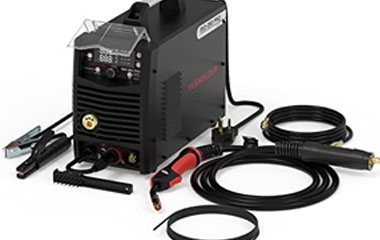
Essential Features of a High-Performance Machine
Once your operational needs are clearly defined, the next step is to evaluate the features that contribute to a machine's performance, durability, and ease of use. A well-chosen machine can significantly enhance your fabrication output and product quality.
Automation and Control Systems
Modern Structural Steel SAW machines incorporate sophisticated automation and control systems that streamline operations and improve consistency.
- CNC Integration: Computer Numerical Control (CNC) systems allow for precise, repeatable cuts based on pre-programmed designs. This is crucial for complex cuts, varied production runs, and minimizing human error.
- Automatic Material Feeding and Clamping: Systems that automatically feed beams into the saw and securely clamp them reduce manual labor, increase safety, and ensure consistent cutting. Hydraulic clamping systems are particularly effective for heavy structural sections.
- Automatic Blade Tensioning: Proper blade tension is vital for accurate cuts and extended blade life. Automatic tensioning systems maintain optimal tension throughout the cutting process.
- Diagnostic and Monitoring Systems: Integrated diagnostics can alert operators to potential issues, facilitating proactive maintenance and reducing downtime.
Blade Technology and Material Compatibility
The heart of any saw is its blade. The right blade, matched with appropriate machine features, ensures efficient and clean cuts.
- Blade Type: For structural steel, carbide-tipped band saw blades are common for their durability and cutting efficiency. Consider the tooth pitch and geometry based on the material thickness and type.
- Blade Speed Control: Variable blade speed control allows operators to optimize cutting parameters for different materials and profiles, maximizing blade life and cut quality.
- Coolant Systems: Efficient coolant delivery is crucial for dissipating heat, lubricating the blade, and flushing chips away from the cutting zone. This extends blade life and improves cut quality, especially with tougher materials.
- Chip Management: Effective chip removal systems, such as chip brushes and conveyors, prevent accumulation in the cutting area, which can hinder performance and affect cut quality.
Optimizing Workflow and Production Capacity
Beyond the machine itself, consider how the Structural Steel SAW integrates into your overall fabrication workflow. Efficiency is not just about cutting speed but also about seamless material flow, minimal downtime, and reliable support.
Throughput and Integration with Fabrication Lines
The capacity of your saw must align with your total production volume and the speed of your downstream processes. A bottleneck at the cutting stage can severely impact your entire operation.
- Production Volume: Estimate your daily or weekly cutting volume in terms of total linear feet or number of pieces. This will help determine the required machine speed and automation level.
- Material Handling: Consider the automation level of material loading and unloading. Fully integrated systems with automated conveyors and measuring devices can greatly reduce cycle times.
- Connectivity: Can the saw integrate with your existing CAD/CAM software or other fabrication management systems? Seamless data transfer minimizes manual data entry and potential errors.
- Footprint: The physical space required for the machine and its material handling systems is an important logistical consideration in your workshop layout.
Supplier Expertise and Global Reach
Choosing the right supplier is as important as choosing the right machine. A knowledgeable partner can provide invaluable support, from initial consultation to after-sales service.
- Technical Support and Training: Does the supplier offer comprehensive training for your operators and maintenance staff? What kind of technical support is available, and how quickly can they respond to issues?
- Parts Availability: Easy access to spare parts is crucial for minimizing downtime. Inquire about the availability and lead times for common wear parts.
- Global Presence: A supplier with a global reach demonstrates a broad understanding of diverse market needs and the ability to support international operations. Oldwelders, for example, serves key markets including Brazil, Thailand, Australia, and Malaysia, offering solutions tailored to various regional demands.
- Manufacturing Capabilities: Understanding a supplier's manufacturing strength provides confidence in their product quality and capacity. Our plant, covering an area of 1000 square meters, features six production lines, enabling us to supply up to 100 tons of product a day. This robust infrastructure supports the consistent delivery of high-quality welding fluxes and other essential welding materials.
Ensuring Durability and Long-Term Value
Making a significant capital investment like a Structural Steel SAW requires confidence in its longevity and performance. Focus on suppliers who prioritize quality and reliability.
Quality Standards and Manufacturing Prowess
The manufacturing quality of the saw directly impacts its durability, precision, and operational safety. Look for indicators of rigorous quality control.
- Certifications: Reputable manufacturers adhere to international quality standards. Oldwelders is an ISO 9001 certified company, ensuring our production processes and quality management systems meet stringent global benchmarks. This commitment extends to all our welding materials, from welding wire to welding rod and flux products.
- Component Quality: Inquire about the origin and quality of critical components such as motors, gearboxes, and control systems. High-quality components reduce the risk of breakdowns and extend the machine's lifespan.
- Construction Materials: The use of heavy-duty, vibration-dampening materials in the machine frame is essential for maintaining precision over years of rigorous use, especially when processing heavy structural steel.
- Warranty and Service Agreements: A comprehensive warranty and readily available service agreements provide peace of mind and protect your investment against unforeseen issues.
Return on Investment and Operational Costs
While initial purchase price is a factor, the total cost of ownership over the machine's lifespan is a more accurate measure of its value.
- Energy Efficiency: Modern saws are designed to be more energy-efficient, reducing ongoing electricity costs.
- Blade Life: Machines that optimize cutting parameters and maintain blade health can significantly extend blade life, reducing consumable costs.
- Maintenance Requirements: Understand the recommended maintenance schedule and the associated costs for parts and labor.
- Resale Value: High-quality, well-maintained machines from reputable manufacturers tend to retain better resale value.
Conclusion
Choosing the right Structural Steel SAW for beam cuts is a strategic decision that impacts the efficiency, quality, and profitability of your structural fabrication operations. By thoroughly evaluating your specific cutting needs, understanding the essential features of high-performance machines, optimizing for workflow integration, and partnering with a reputable supplier, you can make an investment that yields significant returns.
Oldwelders stands as a professional and knowledgeable partner in the welding industry, offering a comprehensive range of welding solutions, including advanced welding machines and premium welding fluxes. Our commitment to ISO 9001 quality standards and robust manufacturing capabilities ensures that we provide reliable, high-performance equipment designed to meet the rigorous demands of structural steel fabrication. We encourage you to consult with our experts to find the ideal cutting solution for your unique requirements, supporting your projects with precision and efficiency.