
How Flux Containers Prevent SAW Moisture Pickup
Understanding How a Flux Container Protects Your SAW Process from Moisture
In Submerged Arc Welding (SAW), maintaining the integrity of your consumables is paramount to achieving sound, high-quality welds. Among the most critical factors is moisture control. Welding flux is naturally hygroscopic, meaning it readily absorbs moisture from the atmosphere. This seemingly small detail can lead to catastrophic weld failures, including hydrogen-induced cracking. Therefore, the effective use of a purpose-built flux container or storage system is not just a best practice; it is a fundamental requirement for any serious fabrication operation. Understanding the mechanics of how these containers work is the first step toward eliminating moisture-related defects from your production line.
For production engineers and maintenance teams, diagnosing issues related to damp flux can be challenging. Problems often manifest downstream as porosity, poor slag removal, or failed mechanical tests, with the root cause tracing back to improper handling and storage. This guide will explore the science behind moisture pickup, the essential features of a reliable storage system, and the best practices for handling flux from a trusted supplier like Oldwelders to ensure optimal welding performance.
The Science of Moisture Pickup in Welding Flux
To appreciate the role of a proper storage system, it's essential to understand why welding flux is so susceptible to moisture. The granular material is a carefully engineered mixture of oxides, silicates, and other minerals designed to protect the weld pool, stabilize the arc, and influence the final weld metal chemistry. Many of these raw ingredients, such as silica, are inherently hygroscopic.
When exposed to ambient air, the flux granules act like tiny sponges, drawing water vapor from their surroundings. The rate of absorption depends on the type of flux, the ambient relative humidity, and the duration of exposure. Even a short period of exposure in a humid environment can be enough to compromise an entire batch of flux. The consequences of using damp flux are severe and costly:
- Hydrogen-Induced Cracking (HIC): This is the most critical defect. At the high temperatures of the welding arc, the moisture (H₂O) in the flux decomposes, releasing hydrogen into the molten weld pool. As the weld cools, this hydrogen can become trapped, creating immense internal pressure that leads to cracking, sometimes hours or even days after the weld is completed.
- Weld Porosity: Trapped gases, including hydrogen and steam, form bubbles within the solidifying weld metal, creating voids or pores. This porosity weakens the weld joint and is a common cause for rejection during non-destructive testing (NDT).
- Arc Instability: Excessive moisture can interfere with the electrical characteristics of the arc, causing it to become unstable. This results in an inconsistent weld bead, poor penetration, and increased spatter.
- Poor Slag Detachability: A key function of flux is to form a protective slag layer that is easy to remove after welding. Damp flux can alter the slag's properties, making it difficult and time-consuming to chip away, driving up labor costs.
Given these risks, preventing moisture from ever entering the flux is the only reliable strategy. This prevention begins and ends with proper storage and handling protocols, centered around the use of a high-integrity flux container.
Key Features of an Effective Flux Container
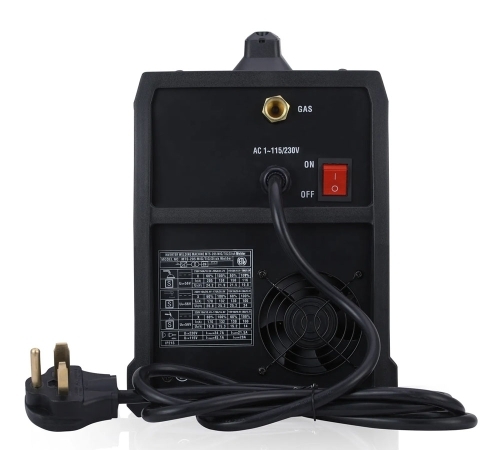
Not all containers are created equal. Simply storing flux in a plastic bin or a ripped bag is a recipe for disaster. An industrial-grade flux container is an engineered piece of equipment designed specifically to create a barrier against ambient humidity. The most effective systems often incorporate both passive and active protective features.
Airtight Sealing Mechanisms
The first line of defense is an airtight seal. This physically prevents humid air from coming into contact with the flux. Look for containers with high-quality, continuous gaskets made from materials like silicone or neoprene that resist compression set and maintain their sealing ability over thousands of cycles. The lid mechanism is equally important. Robust clamping or locking systems are necessary to apply even pressure across the entire gasket, ensuring there are no gaps for air to infiltrate. A simple friction-fit lid is insufficient for protecting a moisture-sensitive consumable like welding flux.
Durable and Non-Reactive Materials
The workshop environment is demanding. A flux container must be built to withstand physical impacts, temperature changes, and potential corrosion. Heavy-gauge steel is a common material choice due to its durability. For applications requiring a higher degree of cleanliness or corrosion resistance, stainless steel is an excellent option. These materials are non-reactive and will not contaminate the flux, preserving its carefully balanced chemical composition. Unlike bags or plastic totes, a sturdy metal container protects the flux from accidental punctures that would compromise its hermetic seal.
Integrated Heating and Temperature Control
The most advanced and effective flux storage solutions are heated. These are often called flux holding ovens or heated hoppers. Their primary function is to keep the flux at a temperature consistently above the dew point of the surrounding air. By doing this, they make it physically impossible for water vapor to condense onto the flux granules.
A typical holding temperature is between 100°C and 150°C (212°F and 300°F). This is not hot enough to re-dry flux that is already wet (which requires a separate, higher-temperature re-baking oven), but it is the perfect temperature to prevent dry flux from picking up any moisture. Many modern arc welding machine systems, especially for automated SAW processes, integrate a heated flux hopper directly at the point of use, ensuring the flux delivered to the arc is perfectly dry.
Best Practices for Flux Handling and Storage
Owning the right equipment is only half the battle. Implementing rigorous handling procedures is essential to maintain flux integrity from the moment it arrives at your facility until it is consumed in the weld.
Upon receiving a shipment, immediately inspect the packaging for any signs of damage, such as tears or water stains. At Oldwelders, we pride ourselves on robust packaging designed to protect our products during international transit to markets like Brazil, Thailand, and Malaysia. Once inspected, move the flux to a dedicated, dry, and climate-controlled storage area. Avoid storing bags directly on concrete floors, which can transmit moisture; use pallets instead.
Adhere to a First-In, First-Out (FIFO) inventory system to ensure older stock is used first. When you need to use the flux, transfer only the amount required for the shift or the specific job into a heated holding oven or a sealed portable flux container. Minimize the time the main bag is open and reseal it tightly immediately after dispensing.
If flux has been exposed to the atmosphere or there is any suspicion of moisture pickup, do not mix it with new, dry flux. It must be properly re-dried according to manufacturer specifications. Following these protocols is a core part of a quality management system. As an ISO 9001 certified company, we emphasize the importance of adhering to these validated procedures to guarantee weld quality and consistency.
Oldwelders’ Commitment to Flux Integrity and Supply
The foundation of a good weld is a quality consumable. A perfect storage system cannot fix flux that was manufactured with impurities or high initial moisture content. That is why our commitment to quality begins deep within our production process. Our welding fluxes are produced in our 1000-square-meter plant, where excellent raw materials like dolomite, bauxite, and silica are melted at temperatures exceeding 2000°C. This intensive process drives off any residual moisture and creates a homogenous, high-purity glass-like material that is then crushed into the final granular product.
With six production lines capable of supplying 100 tons per day, we can confidently serve large-scale industrial projects with consistent, high-quality consumables. We understand the logistical needs of our B2B clients, offering a manageable minimum order quantity of 1 ton and a standard lead time of 30 days to facilitate effective project planning. Whether you are looking for a standard product like our submerged arc welding flux hj431 or require consultation on the best consumables for your application, our team is dedicated to your success.
Ultimately, preventing moisture pickup is a shared responsibility. It starts with a manufacturer committed to quality and ends with an end-user dedicated to proper handling and storage. By investing in a high-quality flux container and implementing strict handling protocols, you safeguard your welding operations from the costly and dangerous defects caused by hydrogen, ensuring every weld is as strong and reliable as the last. To learn more about our complete range of welding materials and how they can benefit your operations, contact our expert team today.