
High-Temp Smelting Controls Metal Oxidation for Quality
High-Temperature Smelting Processes Meticulously Control Metal Oxidation
For process engineers and plant managers, maintaining material integrity during high-temperature operations is paramount. Metal oxidation during smelting represents a significant challenge, directly impacting yield, material properties, and ultimately, the quality of the final product. Understanding and implementing precise control strategies for this phenomenon is crucial for operational efficiency and product excellence. Oldwelders' commitment to quality in our own welding fluxes production, which relies on High Temp Smelting, underscores this critical aspect, ensuring that the foundational materials for industrial applications meet the most rigorous standards.
Understanding Oxidation Mechanisms in High-Temperature Smelting Environments
Oxidation is a fundamental chemical reaction where metal atoms lose electrons to oxygen atoms, forming metal oxides. In high-temperature smelting environments, this reaction is accelerated, posing a constant threat to the purity and integrity of molten metals. The primary mechanism involves the direct interaction of molten metal surfaces with oxygen present in the furnace atmosphere, whether from residual air, combustion products, or insufficiently processed raw materials. The driving force behind this reaction is thermodynamic stability; many metal oxides are more stable than their metallic counterparts at elevated temperatures, naturally favoring their formation.
The kinetics of oxidation — how fast the reaction proceeds — are influenced by several critical factors. Temperature is perhaps the most significant, with reaction rates increasing exponentially as temperatures rise. The partial pressure of oxygen in the furnace atmosphere directly correlates with the rate of oxidation; even trace amounts can lead to significant issues over time. Additionally, the surface area of the molten metal exposed to oxygen, the presence of impurities that can act as catalysts, and the chemical composition of the metal itself all play roles. For instance, metals like aluminum and magnesium are highly reactive and prone to rapid oxidation, necessitating more stringent controls compared to less reactive metals. The formation of these oxides can lead to various detrimental effects, including reduced metal yield, altered microstructure, decreased mechanical strength, and compromised electrical conductivity, making effective oxidation control an indispensable aspect of modern metallurgy.
Strategic Furnace Atmosphere Management for Effective Oxidation Control
One of the most effective ways to control metal oxidation during High Temp Smelting is through meticulous management of the furnace atmosphere. By modifying the gaseous environment surrounding the molten metal, engineers can significantly reduce the availability of oxygen and even promote the reduction of existing oxides. This involves several distinct strategies:
Reducing Atmospheres
In a reducing atmosphere, gases like carbon monoxide (CO), hydrogen (H2), or natural gas are introduced into the furnace. These gases react preferentially with oxygen, scavenging it from the environment before it can interact with the molten metal. For example, CO reacts with oxygen to form CO2, while H2 reacts to form H2O. Beyond preventing new oxidation, these atmospheres can also reduce pre-existing metal oxides back into their metallic form, improving metal recovery and purity. However, careful control of gas mixtures and flow rates is essential to maintain the desired reducing potential and avoid carbon pick-up or hydrogen embrittlement in the final product.
Inert Atmospheres
For highly reactive metals or applications demanding extreme purity, inert atmospheres are employed. Gases such as argon (Ar) or nitrogen (N2) are used to blanket the molten metal, physically displacing oxygen and preventing its ingress. While inert atmospheres do not actively reduce oxides, they are highly effective at preventing oxidation from occurring in the first place. Vacuum smelting, an advanced form of atmosphere control, takes this a step further by evacuating the furnace chamber to ultra-low pressures, effectively removing not only oxygen but also other volatile impurities. This method is particularly valuable for producing high-purity metals and alloys used in aerospace and electronics, though it requires specialized equipment and higher operational costs.
Regardless of the chosen strategy, continuous monitoring and precise control systems are critical. Real-time gas analysis, automated flow control, and sophisticated temperature regulation ensure that the furnace atmosphere remains optimized throughout the entire High Temp Smelting process, minimizing the risk of oxidation and safeguarding material quality.
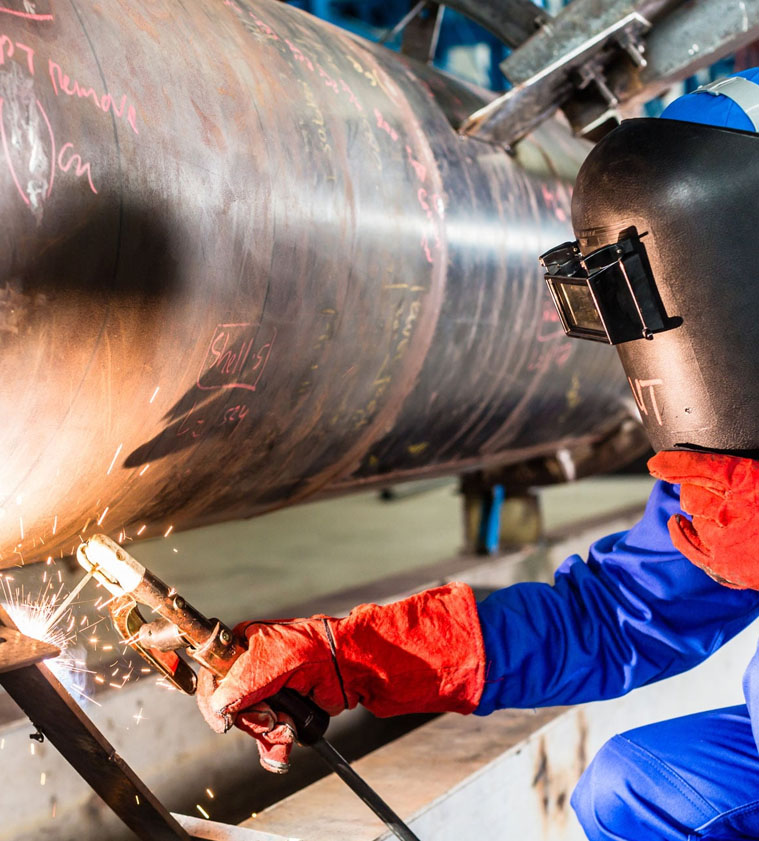
The Critical Role of Slag Chemistry and Layer Protection in High Temp Smelting
Beyond atmospheric control, the strategic use of slag represents a fundamental defense against metal oxidation in high-temperature smelting. Slag is a molten mixture of oxides and other compounds that floats on top of the molten metal, acting as a crucial protective barrier. Its effectiveness stems from both physical and chemical mechanisms.
Slag as a Protective Barrier
Physically, the slag layer prevents direct contact between the molten metal and the furnace atmosphere, effectively isolating it from oxygen. The thickness and integrity of this layer are vital; a robust, continuous slag blanket minimizes surface exposure, reducing the likelihood of oxidation. Chemically, slag is designed to absorb impurities from the molten metal, including dissolved oxygen and metal oxides. This desulfurization and deoxidation capacity is tailored through the precise addition of fluxing agents.
Optimizing Slag Properties
The properties of the slag, such as its viscosity, density, and chemical composition, are carefully engineered to maximize its protective and refining capabilities. A slag with appropriate viscosity allows impurities to transfer from the metal but remains stable enough to form a consistent barrier. It must also be less dense than the molten metal to ensure it floats on the surface. The chemical composition, achieved through the selection of specific fluxes, dictates the slag's ability to selectively react with and remove undesirable elements. Oldwelders' expertise in welding materials is built on a deep understanding of such processes. Our welding fluxes, for instance, are produced using excellent raw materials like dolomite, bauxite, cryolite, silica, and fluorine ore. These components are melted at 2000 °C under carefully controlled conditions. This meticulous approach ensures the optimal slag properties necessary for high-performance applications, demonstrating our profound understanding of material science at extreme temperatures and its application in managing metal oxidation.
Effective slag management involves not only the initial design of the flux but also practices like controlled tapping and skimming to remove spent slag and introduce fresh material. By maintaining a dynamic and optimized slag layer, engineers can significantly enhance the control over metal oxidation, contributing to higher metal yield and superior product quality in High Temp Smelting operations.
Optimized Charging and Operating Procedures to Minimize Oxidation
Even with advanced furnace atmosphere and slag management, the operational procedures during charging and smelting play a critical role in minimizing metal oxidation. Every step, from how raw materials are introduced to how the molten metal is handled, can either mitigate or exacerbate oxidation risks.
Charging Sequence and Methodologies
The sequence in which materials are charged into the furnace is paramount. Often, a protective layer of slag-forming materials or a initial molten heel is established before introducing the primary metal charge. This creates an immediate barrier, reducing the exposure of fresh metal to the furnace atmosphere. Preheating raw materials can also help by reducing the thermal shock and minimizing the time required for melting, thereby decreasing overall exposure time to potentially oxidizing conditions. Techniques like bottom charging or controlled chute feeding can also limit the amount of air entrained with the charge, further reducing initial oxidation.
Temperature Profiles and Control
Maintaining precise temperature profiles throughout the smelting cycle is essential. While high temperatures are necessary for melting, excessively high temperatures or localized hot spots can accelerate oxidation. Engineers must carefully balance the need for efficient melting with the imperative to keep oxidation rates to a minimum. Sophisticated temperature monitoring systems and automated heating controls ensure that the metal remains within optimal temperature windows, preventing overheating that could lead to increased reactivity with oxygen.
Agitation and Stirring
Agitation and stirring are often necessary to ensure homogeneity of the molten bath and facilitate reaction kinetics. However, vigorous stirring can break the protective slag layer or expose fresh metal surfaces to the atmosphere, potentially increasing oxidation. Techniques like electromagnetic induction stirring can provide controlled mixing beneath the slag layer, promoting uniform composition without disrupting the protective barrier. This balance between necessary mixing and oxidation prevention requires careful engineering and process understanding.
Tap Hole Procedures
Even at the final stage of tapping the molten metal, procedures are designed to minimize oxidation. This includes maintaining a protective slag layer over the metal until the very last moment, controlling the flow rate to prevent splashing, and sometimes using inert gas shrouding around the tap stream. By meticulously planning and executing every operational step, from charge introduction to metal tapping, plant managers can significantly reduce metal oxidation, ensuring consistent product quality from every High Temp Smelting cycle.
Advanced Monitoring and Quality Assurance in Modern Smelting
In the pursuit of minimal metal oxidation and optimal product quality, modern smelting operations rely heavily on advanced monitoring systems and rigorous quality assurance protocols. These tools provide the data and oversight necessary to diagnose and adjust processes effectively.
Real-time Process Monitoring
Continuous, real-time monitoring of key process parameters is indispensable. This includes sensors for temperature throughout the furnace, precise measurement of furnace atmosphere composition (including oxygen partial pressure, CO, and H2 levels), and even slag level and thickness detection. Such data allows operators to make immediate adjustments, preventing deviations that could lead to increased oxidation. For instance, an unexpected rise in oxygen content in a reducing atmosphere can trigger an automatic increase in reducing gas flow, proactively mitigating the risk.
Post-Process Material Analysis
After the High Temp Smelting process, comprehensive material analysis is performed to verify the success of oxidation control strategies. Techniques such as optical emission spectrometry (OES) or X-ray fluorescence (XRF) are used to determine the elemental composition of the finished metal, ensuring it meets specified purity levels. Microstructural analysis, often involving scanning electron microscopy (SEM) or transmission electron microscopy (TEM), can identify and quantify any oxide inclusions within the metal, providing critical feedback on the effectiveness of the smelting process. This detailed analysis helps process engineers fine-tune future operations and prevent recurrence of issues.
Quality Management Systems
Beyond individual process steps, a robust quality management system underpins all efforts to control oxidation. Oldwelders is an ISO 9001 certified manufacturer, reflecting our commitment to stringent quality control across all production processes, from raw material sourcing to final product delivery. This rigorous approach ensures consistent quality in our welding machine components and consumables, which demand materials produced with minimal oxidation. Our state-of-the-art plant, covering an area of 1000 square meters and featuring six production lines, allows us to supply up to 100 tons of product daily. Such a scale necessitates robust process controls, including effective strategies for managing metal oxidation during High Temp Smelting, to meet the demands of discerning markets like Brazil, Thailand, Australia, and Malaysia. Our adherence to international quality standards provides our partners with confidence in the reliability and performance of our products, knowing they originate from meticulously controlled smelting operations.
Controlling metal oxidation in high-temperature smelting is a complex, multi-faceted challenge requiring integrated strategies. From precise atmosphere management and optimized slag chemistry to meticulously executed charging and operating procedures, every element contributes to the final material quality. Through advanced monitoring and robust quality assurance, Oldwelders ensures that the materials fundamental to industries worldwide, including our comprehensive range of welding materials, are produced with the highest standards of purity and performance. Our commitment to these precision processes helps our clients achieve superior results in their own demanding applications.