
High-Purity Cryolite Powder for Grinding Wheels | Oldwelders
Cryolite Powder is a Key Additive for High-Performance Grinding Wheels
In high-precision manufacturing, the grinding process is fundamental to achieving specified dimensions, tolerances, and surface finishes. However, the intense friction inherent in abrasive machining generates significant heat, which can compromise both the workpiece and the grinding wheel itself. For process engineers and abrasive manufacturers, managing this thermal energy is a constant challenge. Issues like workpiece burn, thermal distortion, and rapid wheel degradation are common obstacles to efficiency and quality. The solution often lies not just in the abrasive grain or the bonding system, but in the strategic use of active fillers. Among these, high-purity cryolite stands out as a uniquely effective agent for controlling heat and enhancing grinding performance.
While widely known in the metallurgical and welding industries as a fluxing agent, the thermochemical properties of this mineral make it an invaluable additive in modern abrasive formulations. By incorporating it into the matrix of a grinding wheel, manufacturers can create a tool that actively manages the grinding zone temperature, leading to cooler cuts, higher material removal rates, and a superior surface finish. This article explores the science behind thermal challenges in grinding and details how the addition of cryolite can transform a standard abrasive into a high-performance, problem-solving tool.
Understanding Thermal Challenges in Abrasive Grinding
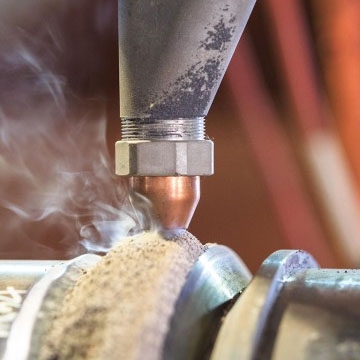
The primary function of a grinding wheel is to remove material through the cutting action of thousands of microscopic abrasive grains. This process involves a combination of friction, plastic deformation, and chip formation, all of which generate intense, localized heat at the point of contact between the wheel and the workpiece. If not effectively managed, this thermal energy can lead to a cascade of negative consequences that undermine the entire operation.
One of the most significant problems is thermal damage to the workpiece. Excessive temperatures can cause metallurgical changes in the surface layer of the material being ground. This can manifest as softening, re-hardening (martensite formation), or the introduction of tensile residual stresses, which can lead to micro-cracks and reduced fatigue life of the component. For heat-sensitive alloys used in aerospace, automotive, or medical applications, such damage is unacceptable and can lead to part rejection.
The grinding wheel itself is also susceptible to the effects of high heat. Two common failure modes are loading and glazing:
- Wheel Loading: This occurs when chips of the workpiece material (swarf) become physically lodged in the pores of the grinding wheel. These clogged pores can no longer effectively cut or provide clearance for new chips. Instead, they rub against the workpiece, dramatically increasing friction and heat generation.
- Wheel Glazing: This is a result of the abrasive grains becoming dull at the cutting tip. Extreme heat and pressure can cause the tips to flatten or fracture in a way that creates a smooth, glassy surface on the wheel. A glazed wheel loses its cutting ability, sliding over the workpiece rather than removing material, which again leads to a rapid spike in friction and temperature.
Both loading and glazing reduce the wheel's cutting efficiency, require more power to operate, and necessitate frequent "dressing"—a process where the outer layer of the wheel is removed to expose fresh, sharp abrasive grains. Frequent dressing reduces the usable life of the wheel and increases operational downtime. Effectively mitigating heat at its source is therefore critical to improving process stability, part quality, and overall manufacturing economy.
The Role of Cryolite Powder as an Active Filler
Active fillers, also known as grinding aids, are non-abrasive materials added to a grinding wheel's bond matrix to improve the grinding process. They function by reacting to the heat and pressure in the grinding zone, creating a more favorable environment for material removal. Cryolite, a sodium hexafluoroaluminate mineral (Na₃AlF₆), is one of the most effective active fillers due to its unique thermal and chemical properties.
At Oldwelders, our expertise in processing high-quality ores like dolomite, bauxite, and cryolite at temperatures up to 2000 °C for our line of welding fluxes gives us a deep understanding of how these materials behave under extreme conditions. This same knowledge applies to their function in abrasives. The mechanism by which Cryolite Powder enhances grinding performance is multifaceted:
1. In-Situ Lubrication
Cryolite has a relatively low melting point (approximately 1012 °C), which is well within the temperature range experienced at the grinding interface. As the wheel engages the workpiece, the localized heat causes the cryolite particles to melt, forming a thin, liquid lubricating film. This film physically separates the abrasive grain tips and the workpiece surface, significantly reducing the coefficient of friction. Lower friction means less energy is converted into heat, resulting in a cooler grinding operation. This lubrication effect is a primary defense against thermal damage to the workpiece.
2. Enhanced Chip Formation and Evacuation
The molten film does more than just lubricate; it also helps in the formation and removal of chips. The liquid cryolite can wet the surface of the hot metal chips, preventing them from welding themselves to the abrasive grains or becoming lodged in the wheel's pores. This anti-loading effect keeps the wheel's cutting surface open and free, ensuring consistent performance and preventing the friction spikes associated with a loaded wheel. The process keeps the wheel cutting freely for longer periods.
3. Chemical Reactivity and Self-Sharpening
Perhaps the most sophisticated function of cryolite is its chemical interaction with the workpiece. At high temperatures, the fluoride compounds within the cryolite can react with the metal oxides on the workpiece surface. This reaction forms a low-shear-strength layer (e.g., iron fluorides) that is much easier to remove than the parent metal. By chemically "pre-conditioning" the surface, the filler reduces the mechanical energy required for chip formation. This not only lowers the overall grinding forces and heat but also contributes to a "self-sharpening" effect on the abrasive grains by reducing the wear on their cutting edges.
Formulation and Performance Benefits in Grinding Wheels
Abrasive manufacturers incorporate Cryolite Powder directly into the bond material—typically a resinoid bond—during the wheel manufacturing process. The percentage of the filler can be adjusted based on the specific application, the material being ground, and the desired performance characteristics. Even a small percentage by weight can yield significant improvements.
The tangible benefits for end-users are substantial and address the core challenges of precision grinding:
- Reduced Grinding Temperatures: The most immediate effect is a cooler cut. This drastically reduces the risk of thermal damage, such as burn marks, micro-cracks, and undesirable metallurgical phase transformations in the workpiece.
- Increased Material Removal Rates (MRR): Because the process runs cooler and more efficiently, operators can often increase feed rates and depths of cut without risking thermal damage. This directly translates to higher productivity and throughput.
- Extended Wheel Life: By preventing wheel loading and glazing, the active filler ensures the wheel maintains its cutting ability for longer. This reduces the frequency of wheel dressing, leading to longer overall wheel life, less downtime, and lower consumable costs. Our range of welding materials is built on this same principle of extending consumable life through superior formulation.
- Improved Surface Finish: A cooler, cleaner cutting action with less rubbing and smearing results in a superior surface finish on the workpiece, often reducing the need for subsequent finishing operations.
- Lower Power Consumption: By reducing friction and the energy required for chip formation, grinding wheels with cryolite often draw less power from the grinding machine, leading to energy savings and reduced wear on machine spindles.
These benefits are particularly pronounced when grinding difficult-to-machine materials like stainless steels, titanium alloys, and high-nickel superalloys, which are notorious for generating extreme heat.
Sourcing High-Purity Cryolite for Industrial Manufacturing
For abrasive manufacturers, the consistency and quality of raw materials are paramount to producing a reliable product. The performance of an active filler like cryolite is directly tied to its purity and particle size distribution. Impurities can interfere with the chemical reactions in the grinding zone or affect the structural integrity of the bond. Inconsistent particle size can lead to uneven distribution within the wheel, causing unpredictable performance.
At Oldwelders, we leverage our extensive experience in sourcing and processing industrial minerals to supply high-grade materials for demanding applications. Our commitment to quality is validated by our ISO 9001 certification, ensuring that every batch meets stringent specifications for purity and consistency. Our state-of-the-art plant, covering 1000 square meters with six production lines, has the capacity to supply up to 100 tons a day. This robust production capability allows us to reliably serve our industrial partners in key markets, including Brazil, Thailand, Australia, and Malaysia.
We understand the needs of B2B clients and offer clear, straightforward terms. With a minimum order quantity (MOQ) of just 1 ton and a standard lead time of 30 days, we make it easy for manufacturers to integrate our high-quality materials into their supply chain. The same rigorous quality control we apply to our renowned welding fluxes is applied to our industrial minerals, ensuring you receive a product that delivers predictable, superior performance.
While the final application may differ, the fundamental requirement for pure, precisely processed mineral compounds remains the same. Whether it is for creating a protective slag in submerged arc welding or for reducing heat in a high-performance grinding wheel, the quality of the raw material is the foundation of success. An excellent example of this principle in our core business is our submerged arc welding flux hj431, which relies on a carefully balanced mineral composition.
Conclusion: A Strategic Advantage in Abrasive Technology
Moving beyond its traditional role in metallurgy, Cryolite Powder has proven to be a transformative additive in the field of abrasive technology. By actively managing heat through lubrication and chemical reaction, it solves some of the most persistent problems in precision grinding. The results are clear: cooler operations, faster material removal, longer-lasting tools, and higher-quality finished parts.
For abrasive manufacturers and process engineers seeking a competitive edge, incorporating high-purity cryolite is a strategic decision that pays dividends in performance, efficiency, and cost-effectiveness. Oldwelders stands ready as a reliable, high-capacity supplier of industrial minerals, backed by certified quality systems and a deep understanding of material science. Contact us today to discuss your specific formulation challenges and learn how our industrial raw materials can elevate the performance of your abrasive products.